Croatians Sinking into Debt: Nearly €29 Billion in Loans
One in four adults is repaying installments, with double-digit loan growth continuing since early 2024.
One in four adults is repaying installments, with double-digit loan growth continuing since early 2024.
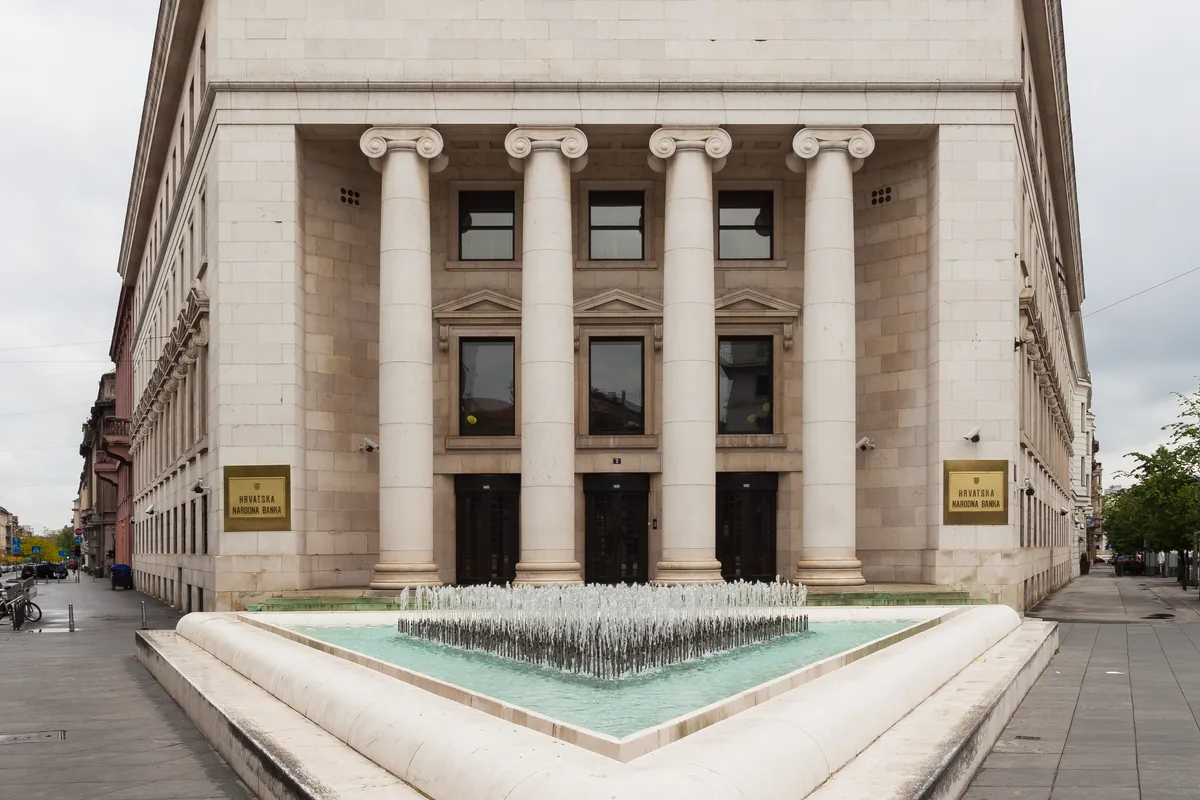
The total indebtedness of Croatian citizens through loans has reached nearly €29 billion, with a growing number of households living from one installment to the next. According to data from the Croatian National Bank (CNB), by the end of May 2026, total household loans amounted to €28.7 billion, with half of that sum consisting of housing loans, which recorded a 15 percent growth. The remainder falls on consumer and cash loans, whose value has increased by ten percent over the past year.
Between 20,000 and 25,000 citizens take out a cash loan every month, which on an annual basis means between 240,000 and 300,000 new loans. The average debt per loan is around €9,000, and the total indebtedness in consumer loans has exceeded €11 billion. This is equivalent to four average monthly net salaries of all employed persons in the country.
Nearly one in four adult residents of Croatia has some form of consumer loan. For example, a family of four from Zagreb took out a cash loan of €2,000 to cover vacation costs. "There was no other way," said the father who signed the contract. A young man from Zagreb, a football fan, took out €5,000 to travel to the World Cup in the USA. "It was now or never," he stated, adding that the installment now eats up a fifth of his salary.
As indebtedness rises, so do repayment difficulties. Consumer loans have proven to be the most problematic: 4.7 percent of borrowers are more than three months behind on their payments. Citizens currently have overdue cash loan payments exceeding €520 million. RBA analysts warn: "Double-digit annual loan growth rates have been ongoing since the beginning of 2024."
According to the structure of banks' loan portfolios at the end of last year, there could be between 55,000 and 60,000 active loan accounts in the household sector classified as non-performing or difficult-to-collect loans. Banks sell a portion of these bad debts to debt collection agencies, which reduces their official non-performing loan percentage but not the actual number of citizens facing problems.
Debt purchase agencies have blocked around 82,000 individuals due to approximately €400 million in principal debt. The state has even more foreclosed debtors among citizens, around 84,000, with over €1 billion in uncollected principal. According to data from Fina, the total number of blocked and foreclosed debtors stands at 194,000, which is the lowest in the last eleven years, but during May and June 2026, around 13,000 new debtors entered into blockage.
Fina also determined that 73,000 individuals have a foreclosure for amounts less than €1,327. Most of the blocked, around 150,000, have been in long-term blockage for several years. For every hundred euros in cash loans, citizens repay €18 of previous debt during the year, but at the same time, they take on new debt of €28, resulting in them having ten euros more debt at the end of the year.
Due to increased risk in the financial sector, the Croatian National Bank has limited the amount of monthly debt repayment: for non-housing loans, the total monthly repayment must not exceed 40 percent of income, and for housing loans, 45 percent. The goal is to halt the trend in which citizens, driven by high inflation, use quick cash loans to cover current living costs beyond their real means.
Citizens take out around 25,000 new housing loans annually, and the total number of housing loan accounts has reached 235,000. The average interest rate on old housing loans is 3.03 percent, while on newly approved ones it is slightly lower at 2.91 percent. Consumer loans carry an interest rate of 5.3 percent. The overheated real estate market is also causing unease, as half of banks' loan portfolios, whether through direct lending or mortgages, is tied to real estate.
A young woman who, as she puts it, got "hooked" on buying in installments, admits she no longer knows exactly how much she owes. Clothes, a phone, household appliances-everything can be paid in installments, and there is always another discount. Her experience reflects an increasingly prevalent pattern: the number of people living from one installment to the next is constantly growing.