Japan Airlines Invests in JetZero for Z4 Aircraft Development
The Z4 model uses a blended-wing-body concept and is expected to consume 30 to 50 percent less fuel than today's commercial aircraft.
The Z4 model uses a blended-wing-body concept and is expected to consume 30 to 50 percent less fuel than today's commercial aircraft.
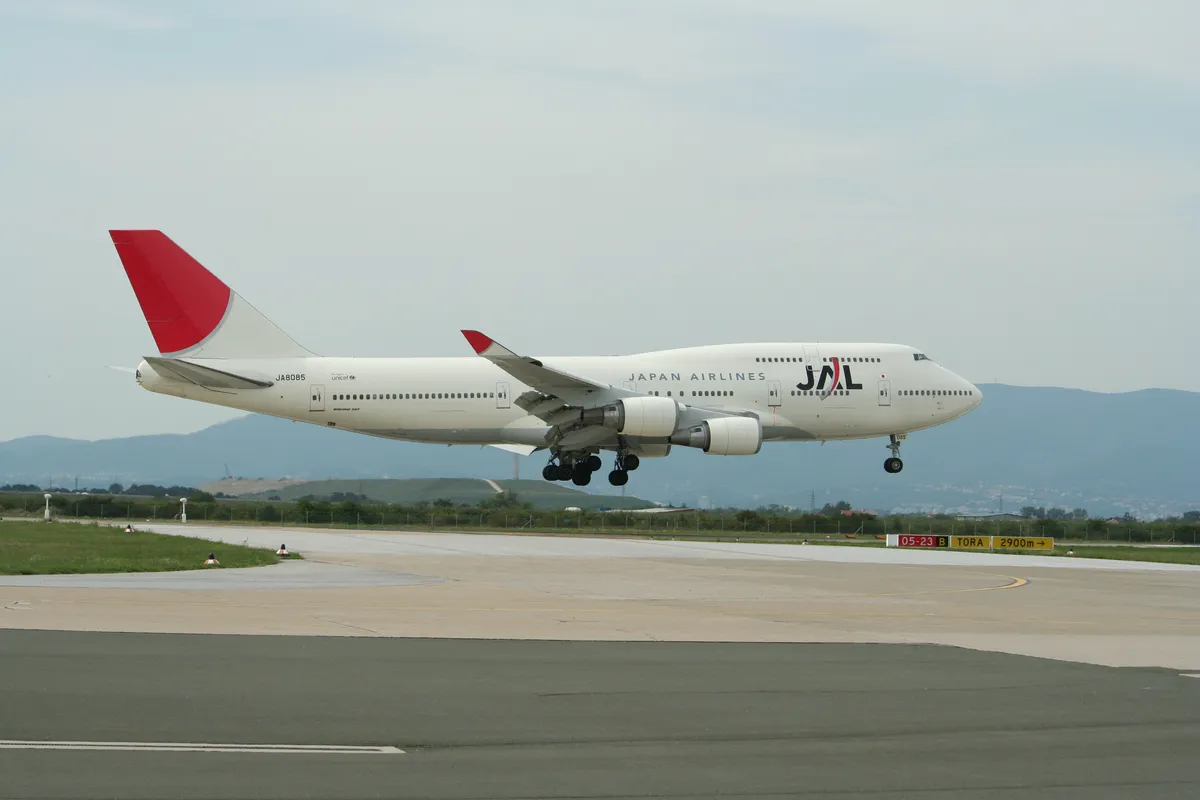
Japan Airlines has financially backed the American start-up JetZero in the development of the Z4 model, a next-generation passenger aircraft that could significantly reduce fuel consumption and emissions. The news was announced on August 2, 2026, and is reported by Slobodna Dalmacija and Jutarnji list, citing an AS USA report.
The Z4's design is based on the blended-wing-body concept, which merges the fuselage and wings into a single aerodynamic structure. Unlike conventional aircraft where wings are attached to a cylindrical fuselage, this aerodynamic solution turns nearly the entire surface of the aircraft into a lift-generating component, simultaneously reducing air drag.
According to JetZero, the Z4 model is designed to carry approximately 250 passengers on medium- and long-haul routes. Thanks to its revolutionary shape, it is expected to reduce fuel consumption by 30 to 50 percent compared to today's commercial aircraft. The projected range is about 9,920 kilometers, making it suitable for transoceanic routes, including flights between Tokyo and the West Coast of the United States.
"Our collaboration with JetZero on the Z4 model aligns perfectly with our strategy of sustainable innovation and our goal of achieving carbon neutrality by 2050," said Takao Suzuki, Director of Corporate Strategy at Japan Airlines.
Suzuki added that the company hopes to contribute its operational experience to creating more efficient air travel.
The development of the Z4 is not only supported by Japan Airlines. As Bashar Al-Zamzami, MD, posted on platform X on July 29, 2026, Washington has provided support and initial funding of $3 billion to the California-based start-up JetZero. This move reflects the U.S. effort to create a new competitor that will lead the next generation of the aviation industry.
Although the blended-wing-body concept promises enormous savings, it has posed an engineering challenge for decades. Such aircraft are naturally less stable and require highly advanced flight control computer systems, which is one of the main reasons they have not yet taken off in commercial passenger aviation, AS USA concludes. Japan Airlines has not yet disclosed details about the cabin layout or the amount of space allocated to passengers, but initial renderings of the exterior design have been released.