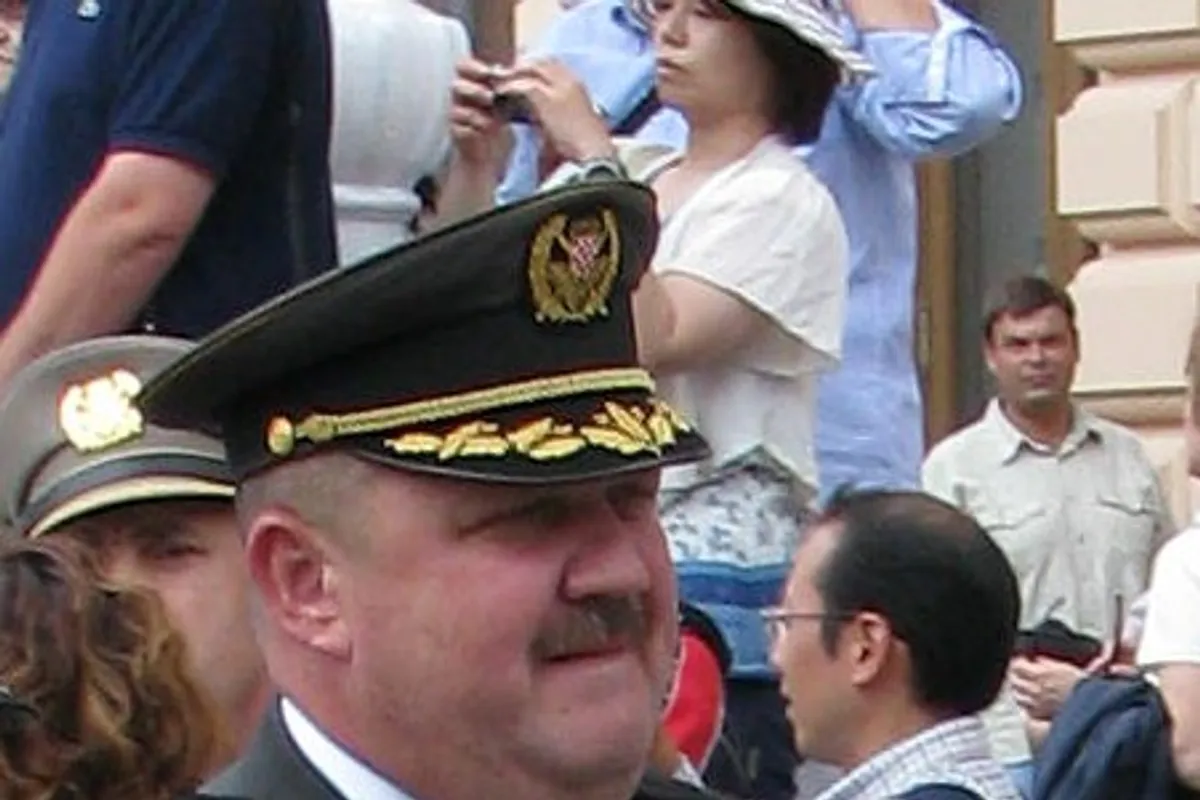
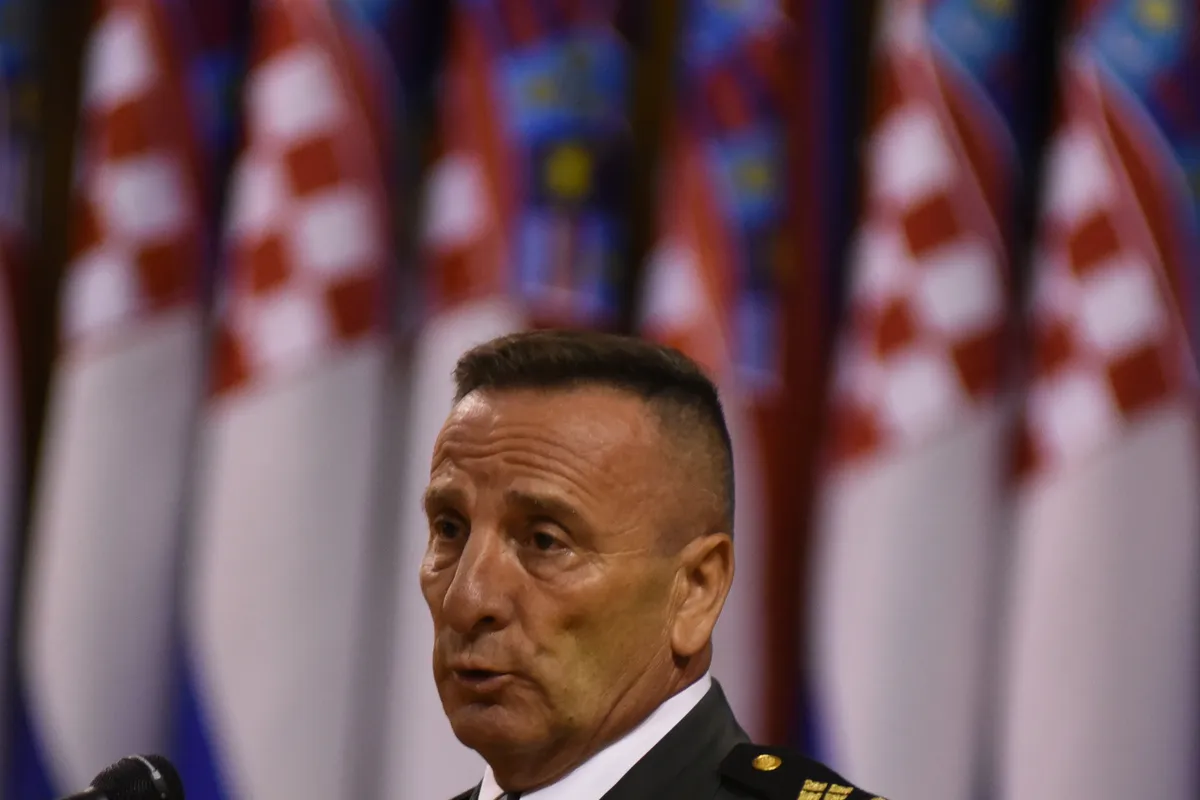
On the third day of the military-police operation Storm, August 6, 1995, on the Korana Bridge near Tržački Rašteli, one of the most powerful symbols of the end of the war occurred, the meeting of the Croatian Army and the Fifth Corps of the Army of BiH. This historic moment lifted the siege of Bihać, a city that had been surrounded by the Serbian army since the summer of 1992, and the two victorious armies joined at the state border.
The Croatian general Marijan Mareković was welcomed by the commander of the Fifth Corps, General Atif Dudaković. "General, welcome. We have waited for you for a long time, but we have finally met," were his words recorded in field reports. The Fifth Corps, which had until then defended the besieged city with the Croatian Defence Council, entered Croatian territory during the fighting and reached Grabovac on the Rakovica, Plitvice Lakes road. After liberating the area from Serbian forces, they withdrew to BiH territory in accordance with the agreement with the Croatian side.
The photograph that marked the victory
The symbol of this meeting remains the photograph of Generals Mareković and Dudaković, the work of Ivica Matošević, then an officer for propaganda-psychological and informational affairs in the Second Infantry Battalion of the 1st Guards Brigade "Tigers". It was the Tigers who first reached the border and witnessed the historic joining of the two armies. From June 1991, when he joined the brigade, until 1997, Matošević, along with colleagues Ljubomir Kačić and Željko Đidara, took as many as 35,000 photographs, and also had excellent cooperation with colleagues from the magazine Hrvatski vojnik, Tomislav Brandt and Davor Kirin.
"Thirty years have passed. But by then, we had already been in the war for four and a half years as soldiers and officers. At that moment, I felt euphoric, and this event was a kind of friendship that is not forgotten. The meeting of two victorious armies with the same goal, which is liberation," Matošević said for Večernji list.
"We realized that this was it, that it was the end"
General Mareković recalls with a special feeling the atmosphere among the soldiers. "At that moment, there was euphoria. We had finished the operation in that area and reached the state border of the Republic of Croatia and joined with the Fifth Corps. Our armies had met a day earlier as well," he recalled. The key impetus for that wave of enthusiasm came a day earlier, on August 5, 1995, when information that Knin had been liberated was sent to all units via the communications system. "That caused enthusiasm and further raised the already high morale of the Croatian Army. Everyone felt that everything was coming to an end," Mareković describes.
The soldiers greeted each other, hugged, and talked on the bridge. "We realized that this was it, that it was the end," the general emphasized, adding that it never crossed his mind that three decades later, so much would be said about that photograph. "As time passes, I am prouder that I had the honor of being part of that moment. Many people today recognize me precisely because of that photograph," he points out.
"I knew it would have great value"
Matošević, on the other hand, was already aware of the weight of the scene he was capturing. "Even then, I knew that this photograph from the Korana Bridge would one day have great value," says the author. Describing the demeanor of the two generals, he also recalled details that testify to mutual respect: "They were impressive. And I stand by that statement. They were friendly. They were true professionals at the height of their task. I remember how they gave each other pistols as gifts."
Nevertheless, Matošević also emphasizes what he now, three decades later, conveys to seventh and eighth grade students in Zagreb elementary schools: "Beautiful moments, but God forbid, there is nothing beautiful in war, as they say, except that victory, and that moment is short-lived. When I talk to children about the Homeland War, I always emphasize that there is nothing beautiful in war except freedom and the feeling of victory. I always tell them: dedication to culture, knowledge, respect, these are the ways we can overcome prejudice and injustice in human relations."