Oncologists Warn: Unwashed Fruits and Vegetables Can Lead to Dangerous Infections
Extra caution is needed for individuals with weakened immune systems, such as chemotherapy patients, for whom these infections can be life-threatening.
Extra caution is needed for individuals with weakened immune systems, such as chemotherapy patients, for whom these infections can be life-threatening.
Although a diet rich in fruits and vegetables is regularly recommended as part of cancer prevention, oncologists are now warning about a hidden danger that lurks in the improper preparation of these foods. The issue isn't the fruits and vegetables themselves, but the risk of serious infections that arise when we skip washing them before consumption.
"As an oncologist, I'm not so much worried about unwashed produce directly causing cancer, but rather that it can expose people, especially those with weakened immune systems, to infections," Dr. Najeeb Al Hallak, a gastrointestinal oncology specialist and one of the leaders of a team focused on gastrointestinal and neuroendocrine tumors, told Parade.
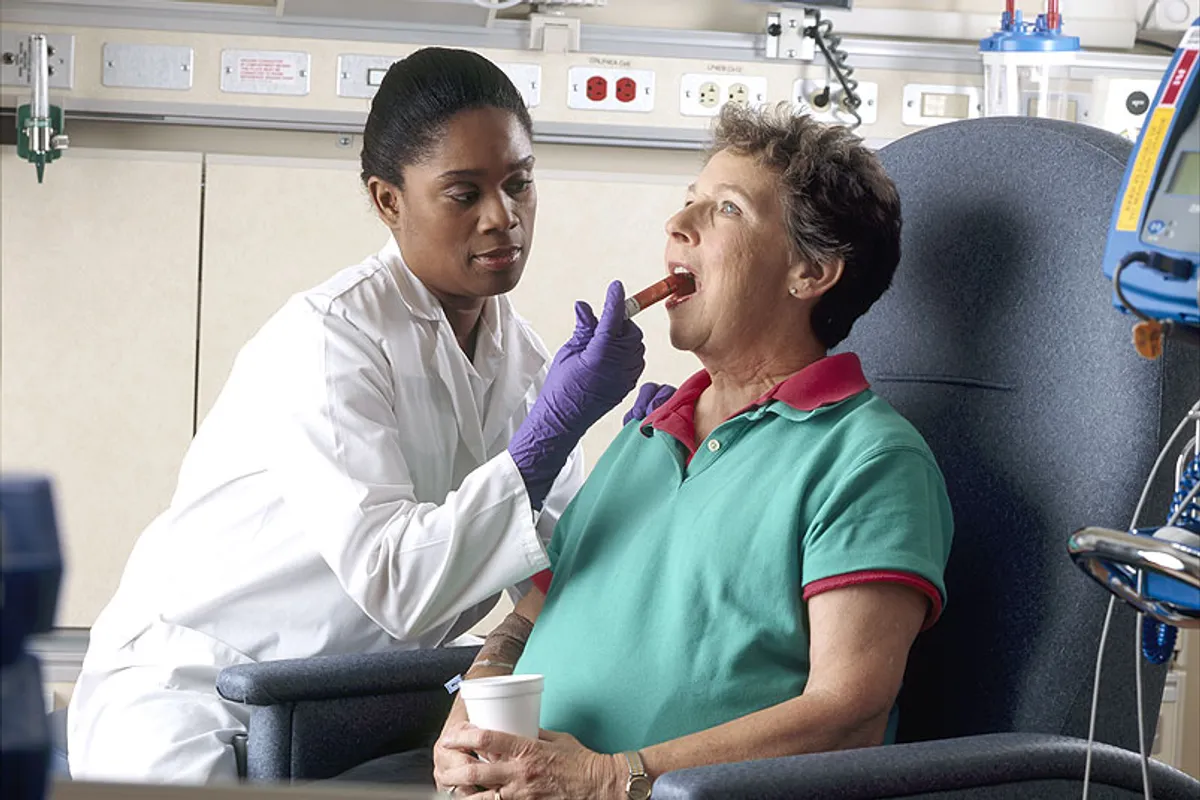
He emphasizes that cancer patients are at the highest risk. "In patients undergoing chemotherapy, those who have had stem cell transplants, and some patients with blood cancers, these infections can become much more serious and occasionally life-threatening," adds Dr. Al Hallak.
Dr. Asma Dilawari, an oncologist and medical director at Thyme Care, explains where the danger comes from. "Fresh produce can harbor bacteria, viruses, and other contaminants that originate from various parts of the supply chain-from the farm to the moment the food reaches your kitchen," she explained.
While the risk is highest for cancer patients, adopting proper habits for washing fruits and vegetables is important for everyone, both for your own health and to protect household members with weakened immune systems.
Washing fruits and vegetables doesn't require special chemicals. Dr. Al Hallak recommends a specific order: first, wash your hands, then rinse the produce under cold running water before eating, cutting, or peeling. He particularly stresses that even produce that will be peeled should be washed, because a knife can transfer bacteria from the skin to the inside of the fruit.
"Hot water isn't necessary and can compromise the quality of the produce. Soaps, detergents, or commercial washes are not recommended because the produce can absorb their residues. Physical rinsing and rubbing removes most contaminants," he explains.
For firmer produce like apples, cucumbers, or potatoes, he recommends gently scrubbing with a clean vegetable brush. For leafy greens, the outer and damaged leaves should be removed, and the remaining part should be thoroughly rinsed and dried with a clean cloth.
For high-risk individuals, there are additional precautions. "Washing with a little vinegar can also reduce the presence of pathogens," says Dr. Dilawari. However, she notes that home methods have their limitations: "no home washing method can remove absolutely all pathogens."
Therefore, her advice for the most vulnerable groups is clear: "If your immune system is severely compromised, as is the case for some cancer patients during intensive treatments, the safest option is to eat foods that you can cook or peel."
In addition to washing produce, kitchen hygiene is crucial. Dr. Al Hallak warns against using the same cutting board for raw meat and vegetables, emphasizing that "cross-contamination is one of the biggest food safety mistakes that can be prevented."
Dr. Dilawari adds that it's important to regularly wash utensils with hot water and soap, especially after contact with raw meat, poultry, or fish, and to properly refrigerate perishable items.
Despite all the warnings, oncologists say there's no need to panic. "The goal isn't to scare people about food," emphasizes Dr. Al Hallak. "Food safety is about reducing risk, and that can be achieved with simple habits."
Dr. Dilawari also reminds us of the role of regulatory agencies like the U.S. Food and Drug Administration (FDA) and the U.S. Department of Agriculture (USDA). "When the work of these agencies weakens, regulation becomes harder. That's why it's always good to be careful, read labels, and take that extra step-wash your produce and maintain cleanliness," she concluded.