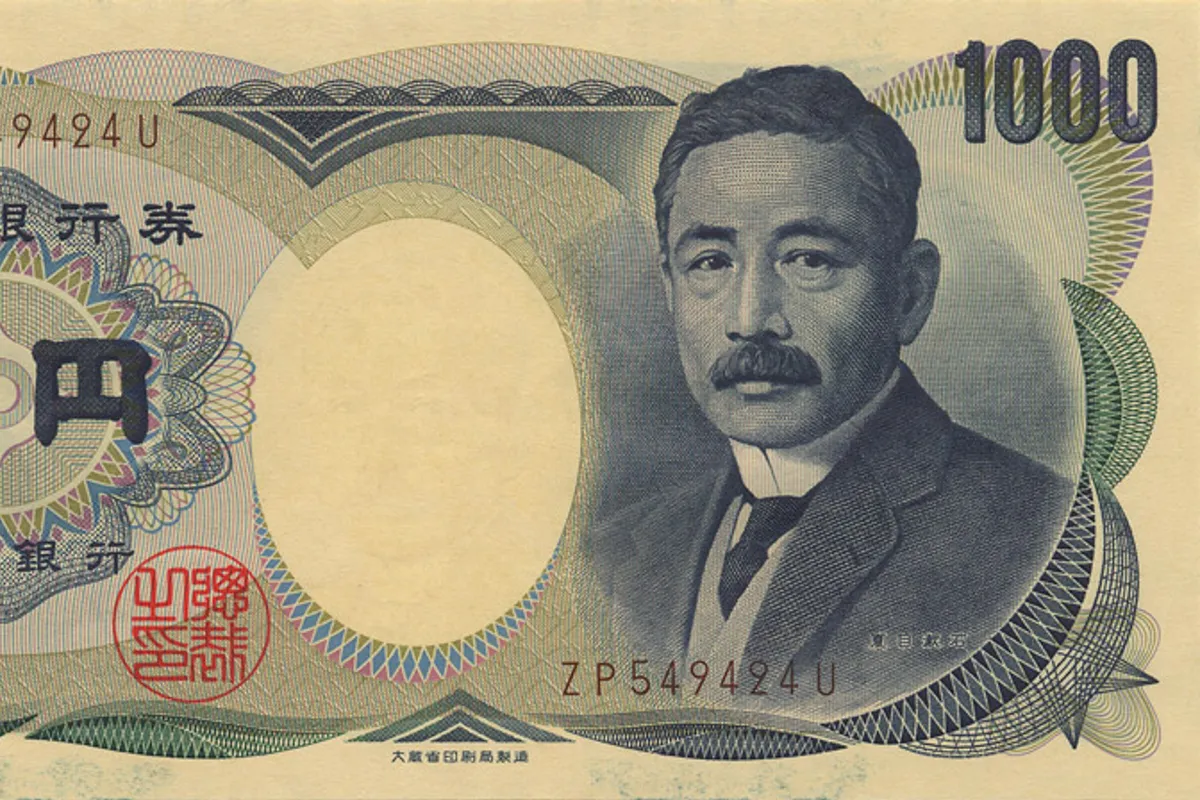
The United States and Japan carried out a rare joint intervention in foreign exchange markets last Friday (July 31, 2026) aimed at strengthening the Japanese yen, which had fallen to its lowest level against the dollar in four decades. Official confirmations came over the weekend from U.S. President Donald Trump and Japanese Finance Minister Satsuki Katayama, and the result was immediate: on Monday, the dollar plunged by roughly one percent, dropping to 156.34 yen.
From 163 to 156 yen in a matter of days
Before the intervention, the dollar exchange rate had broken through the 163 yen level, marking a 40-year high. After doubts emerged in the markets about a coordinated regulatory action, the rate fell below 160 yen. However, the key shift occurred after the official announcement: early Monday (August 3, 2026), the dollar recorded a sharp drop to 156.34 yen, representing an exceptionally large move for this currency pair.
The yen's prolonged weakness had been causing growing frustration in Tokyo, as Japan imports a large portion of its needs, and a weak currency directly raises prices and fuels inflation. Previous unilateral efforts by Japanese authorities to strengthen the yen had not yielded significant results. The main culprit was the massive interest rate differential between the U.S. Federal Reserve and the Bank of Japan, which encouraged investors to sell yen and buy dollars for higher yields.
Trump: "We're always there for Japan"
President Trump confirmed the intervention on Sunday (August 2, 2026), calling it "a sign of friendship." "We have a good relationship with Japan. We're very strong, very, very strong financially, and they, you know, have a yen that's weakening and they wanted a little help, and we're always there for Japan. Japan has been very good to us, except, of course, for Pearl Harbor," Trump said, as reported by AP. He added that the United States had gained "financial benefit" from the intervention and that the move was "also good for the world economy."
In a separate address to reporters aboard Air Force One, Trump was even more direct: "The yen is weakening and they needed a little help. We're always there for Japan," CNN quoted him as saying.
"We strongly support Japan's decisive market and monetary steps aimed at correcting the significant undervaluation of the yen," U.S. Treasury Secretary Scott Bessent announced on social media platform X.
On the Japanese side, Finance Minister Satsuki Katayama issued a statement confirming that the ministry had been buying yen in coordination with the U.S. Treasury Department. The intervention, according to her, was aimed at "curbing excessive volatility and disorderly movements of the Japanese yen in recent months."
A rare move seen only a few times in history
Such an open acknowledgment of currency intervention is extremely rare. Neil Newman, chief director and head of strategy at Astris Advisory Japan, notes that the last major example was following the devastating earthquake and tsunami in Japan in 2011. This action is the first joint U.S.-Japan yen-buying intervention since 1998.
"It's very rare for the Americans to cooperate with the Japanese on this, but here there is an alignment of interests between Japan and America," Newman concluded. A weaker dollar makes American goods more competitive in the Japanese market, which could help boost U.S. exports.
The minister's notebook and the global context
A Reuters photograph from a Trump cabinet meeting at Camp David, held on Friday (July 31, 2026), revealed that Secretary Bessent already had a plan noted in his notebook: "Buy Japanese yen (JPY) $5-10 billion." The Financial Times reported that day that the Federal Reserve Bank of New York, acting on behalf of the U.S. Treasury, had been exchanging euros for yen.
The intervention occurs amid global concerns in financial markets. Although it can temporarily halt the yen's weakening and deter speculators, experts agree that a more lasting turnaround will require changes in monetary policy, specifically a reduction in the interest rate differential between the U.S. and Japan. Trump cited examples of similar U.S. interventions: last year's $20 billion aid package to Argentina and the arrest of Venezuelan President Nicolás Maduro.