Perfect Storm Threatens New Wave of Food Price Hikes
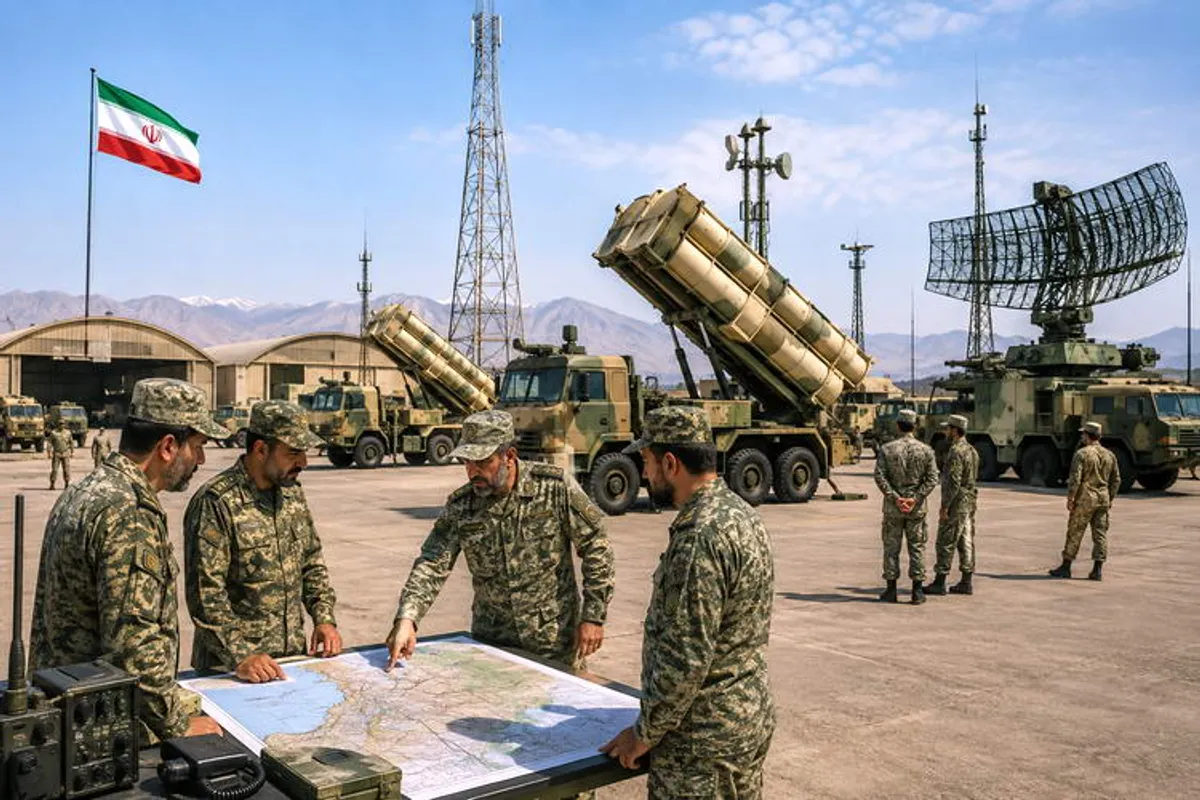
Wars in Iran and Ukraine, disruptions in oil and fertilizer supplies, and extreme weather conditions are putting pressure on global food production, warns FAO Chief Economist Maximo Torero.
Wars in Iran and Ukraine, disruptions in oil and fertilizer supplies, and extreme weather conditions are putting pressure on global food production, warns FAO Chief Economist Maximo Torero.
The world is on the brink of a new wave of food price increases, warned Maximo Torero, chief economist of the UN's Food and Agriculture Organization (FAO). The combination of wars, disruptions in the supply of key commodities, and increasingly severe weather events is creating what is described as a "perfect storm" for global food systems.
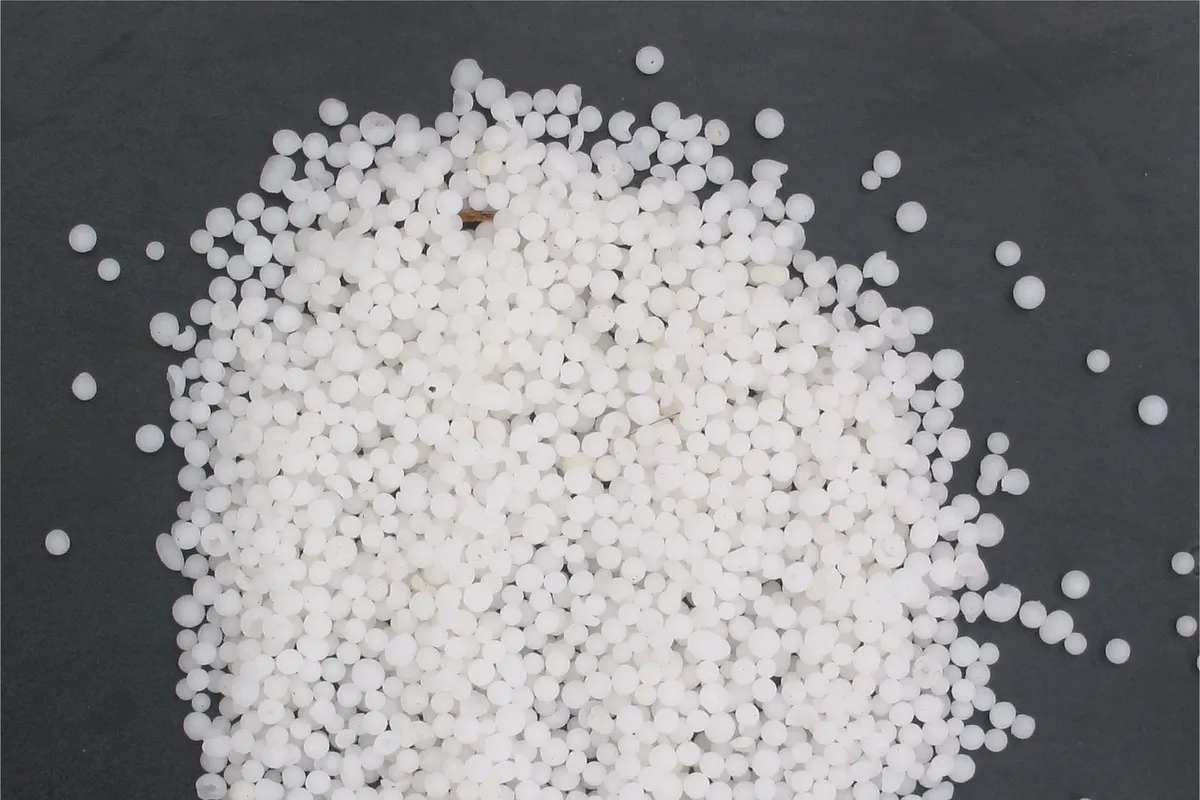
Although food prices have been relatively stable so far this year, and in some parts of the world have even eased inflationary pressure, experts warn that this is the calm before the storm. Rising production costs, driven by higher oil prices, a shortage of synthetic fertilizers from the Persian Gulf region, and a diesel shortage, are increasingly burdening farmers worldwide.
"I expect that prices of basic agricultural products will now start to rise more markedly... and that by the end of the year, food prices will also start to rise," Torero told Reuters. He added that next year, price increases will be "even stronger." According to him, the pass-through from basic agricultural commodity prices to final food products typically takes three to six months.
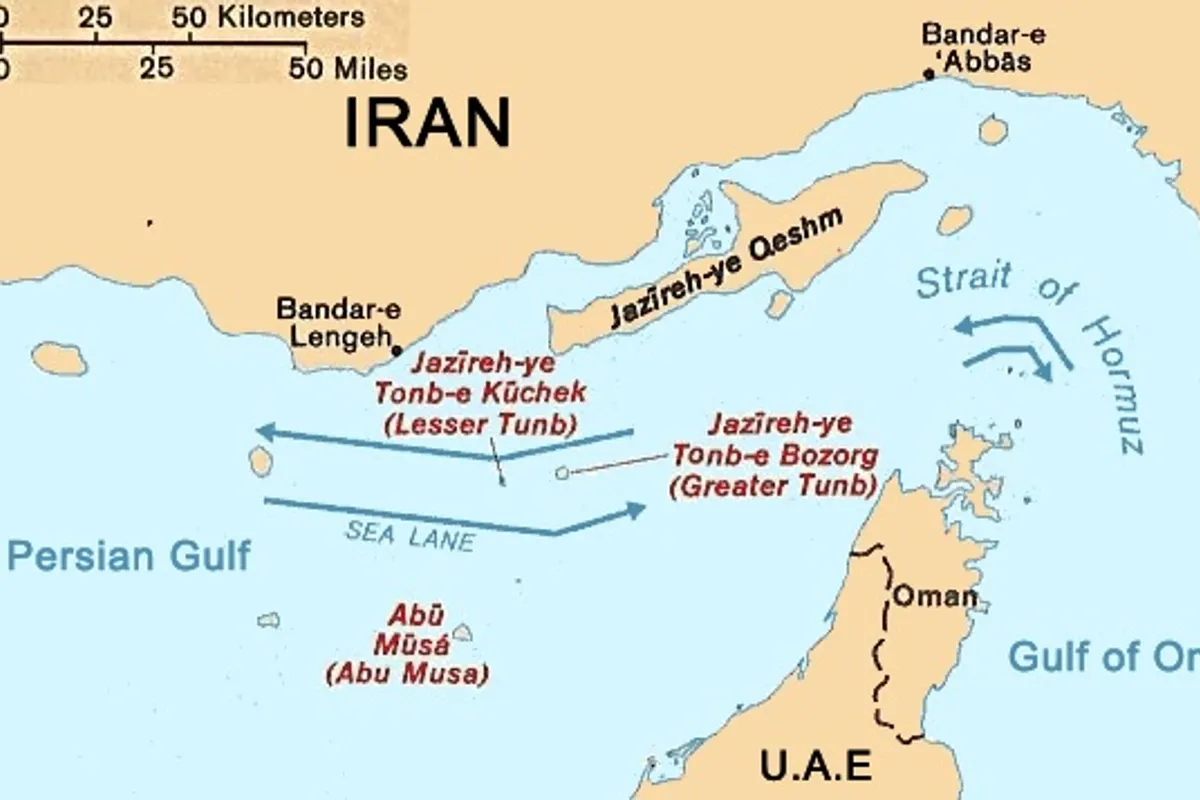
The key issue is the Strait of Hormuz. "The Strait of Hormuz is a problem that affects all input elements for basic agricultural products and for agricultural systems," Torero emphasized. Oil is used in packaging, processing, and transportation, while natural gas is a primary feedstock for synthetic fertilizer production. At the same time, Ukrainian attacks on Russian oil and gas infrastructure have further hampered exports of diesel and natural gas, which are crucial for food production.
The problem is global. "This is being discussed in Europe, the US, Brazil, and Asia," Torero said, noting that weak margins are already affecting farmers' planting decisions. For instance, global wheat and corn planting decreased in the first three months of the war in Iran, and some American producers have shifted to soybean cultivation because it requires less synthetic fertilizer.
Although the US can cover most of its needs with domestic production, the American Farm Bureau Federation has released a concerning estimate. Farmers growing nine staple crops could see losses of $32 billion next year if the federal government does not step in to help. According to their calculations, every analyzed crop will remain below the profitability threshold in 2027.
Additional problems are posed by this year's El Niño weather phenomenon, which is forecast to be exceptionally strong and significantly alter rainfall patterns. The effects are already visible: in Australia, one of the world's largest agricultural exporters, a 21 percent smaller winter crop harvest is expected. In India, the monsoon is delayed, and rainfall since the beginning of August has been below average, threatening reduced rice production and potentially affecting prices of this staple food worldwide.
This confluence of circumstances could trigger acute food supply insecurity for tens of millions of people, bringing back memories of 2022 when food prices were a major driver of global inflation.