SpaceX raketa udara u Mjesec
Gornji stupanj Falcona 9, koji već 18 mjeseci besciljno luta svemirom, u srijedu će se zabiti u Mjesečevu površinu brzinom sedam puta većom od zvuka, stvarajući krater i oblake krhotina vidljive teleskopima.
Gornji stupanj Falcona 9, koji već 18 mjeseci besciljno luta svemirom, u srijedu će se zabiti u Mjesečevu površinu brzinom sedam puta većom od zvuka, stvarajući krater i oblake krhotina vidljive teleskopima.
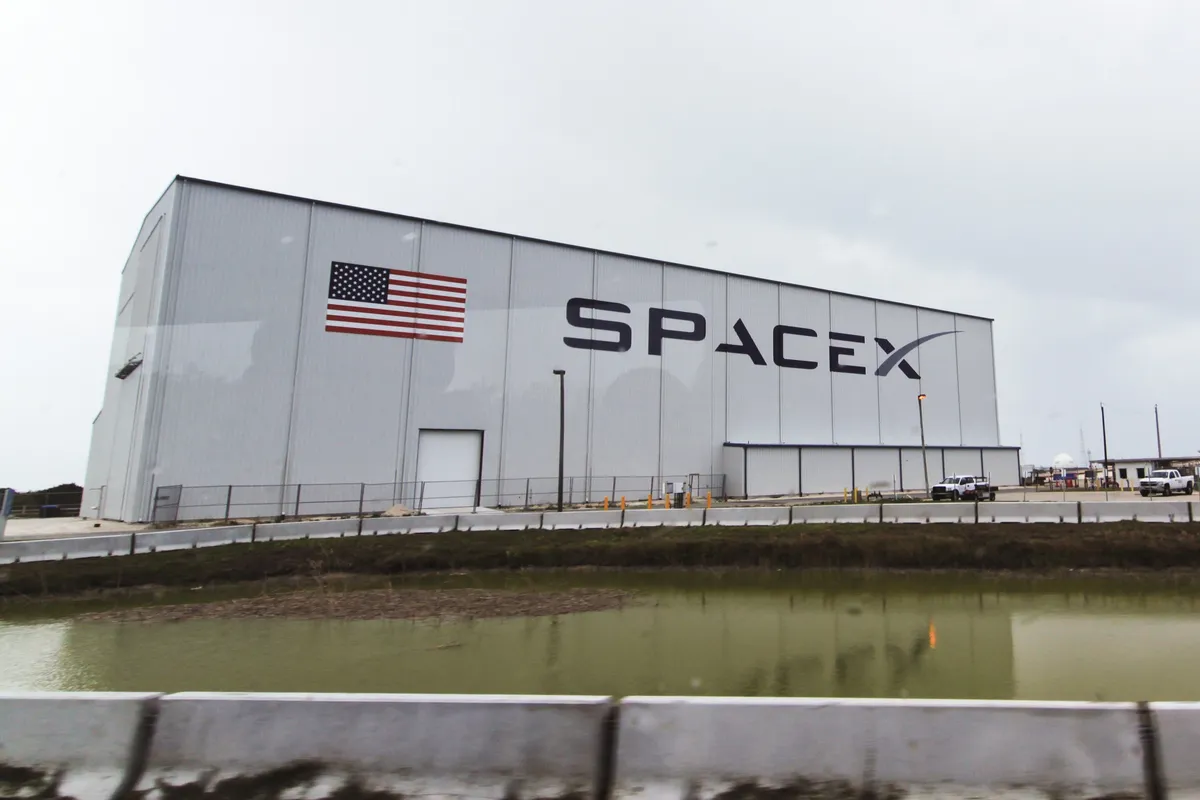
Svemirski otpad koji već godinu i pol dana kruži u visokoj orbiti oko Zemlje uskoro će doživjeti svoj vatreni kraj. Gornji stupanj rakete Falcon 9 tvrtke SpaceX, težak četiri metričke tone (oko 4000 kilograma), u srijedu, 5. kolovoza 2026., udarit će u Mjesec. Ovaj događaj, iako spektakularan, znanstvenici vide kao ozbiljno upozorenje na rastuće rizike za planirane lunarne baze i buduće astronaute.
Raketa je lansirana još u siječnju 2025. godine, noseći dva privatna robotska lunarne landera: Blue Ghost tvrtke Firefly Aerospace i Resilience tokijske kompanije ispace. Dok je Blue Ghost uspješno sletio, Resilience se srušio pri pokušaju slijetanja. Gornji stupanj Falcona 9 ostao je bez dovoljno goriva za kontrolirani povratak u Zemljinu atmosferu ili ulazak u stabilnu orbitu.
Julianna Scheiman, direktorica NASA-inih znanstvenih i Dragon programa u SpaceX-u, objasnila je na konferenciji za novinare u ponedjeljak da je tvrtka izvela "drugačiji manevar [od deorbitiranja] kako bi osigurala da je drugi stupanj siguran prema odgovarajućim pravilima i propisima." No, prirodne sile učinile su svoje. "Ono što se dogodilo je, u suštini, mješavina solarne aktivnosti i gravitacijskih sila koje su ga postavile na putanju prema Mjesecu," dodala je Scheiman.
Bez atmosfere koja bi usporila projektil, raketa će u Mjesečevu površinu udariti brzinom od približno 5400 milja na sat, što je otprilike sedam puta brže od zvuka. Snaga eksplozije pri udaru procijenjena je na ekvivalent od tri metričke tone TNT-a. Znanstvenici predviđaju da će nastati krater promjera oko 27 metara i dubine do 5 metara.
Do sudara bi trebalo doći u 6:34 sati ujutro po UTC vremenu (2:35 ujutro po EDT-u), najvjerojatnije u blizini kratera Einstein, na zapadnom rubu vidljive strane Mjeseca. Iako udar neće biti vidljiv golim okom, promatrači s teleskopima, posebno na području Amerike, mogli bi na nekoliko minuta ugledati oblak izbačenih krhotina.
Bill Gray, kreator inicijative Project Pluto za praćenje orbita asteroida, kometa i umjetnih satelita, prvi je izračunao putanju ovog udara. On je također dio tima koji je prošlog mjeseca objavio preprint studiju o predstojećem sudaru. U studiji se navodi da pad rakete predstavlja "priliku za testiranje metoda mjerenja svojstava bljeska radi seizmičkog lociranja mjesta udara i boljeg razumijevanja višestrukih opasnosti koje svemirski otpad koji udara u Mjesec predstavlja za buduću lunarnu infrastrukturu i astronaute."
Benjamin Fernando, istraživač u Los Alamos National Laboratory u Novom Meksiku i koautor studije, ističe da će ovakvi incidenti postati sve češći. "Kako budemo imali više astronauta na Mjesečevoj površini, više lunarnih infrastrukturnih staništa, moramo razumjeti koliki rizik ovi udarni događaji zapravo predstavljaju," rekao je Fernando.
On objašnjava da je ovo idealan način za proučavanje i izravnih i neizravnih rizika: "rizika od udara krhotina ili zasljepljivanja bljeskom svjetlosti, ali i neizravnog rizika od udara oblaka izbačenog materijala koji može poremetiti ili ometati funkcije letjelica u lunarnoj orbiti."
NASA planira u idućih deset godina izgraditi bazu u blizini južnog pola Mjeseca u sklopu programa Artemis. Iako je do prve stalne lunarne baze još barem desetljeće, rastući broj misija, uključujući i one bez posade, povećava količinu potencijalnog otpada u okolici Mjeseca.
Ovo nije prvi put da ljudski objekt nekontrolirano udara u Mjesec. U ožujku 2022. kineska raketa Long March 3C ostavila je krater širine 29 metara, a 4. ožujka iste godine misteriozna raketa stvorila je neobičan dvostruki krater za koji se kasnije ispostavilo da potječe od gornjeg stupnja kineske misije Chang'e 5-T1 lansirane u listopadu 2014. godine.
Julianna Scheiman iz SpaceX-a potvrdila je da tvrtka već radi na rješenjima. "To je jedna od stvari na kojoj radimo u partnerstvu s NASA-om i drugim nadležnim agencijama. Koji je najbolji budući put za odlaganje visokoenergetskih misija koje se nalaze u sustavu Sunce-Zemlja-Mjesec?" izjavila je, nagovijestivši da će se protokoli za sigurno uklanjanje svemirskog otpada morati značajno unaprijediti prije nego što ljudi počnu trajno boraviti na Mjesecu.