Space debris that has been orbiting Earth in a high orbit for a year and a half will soon meet its fiery end. The upper stage of SpaceX's Falcon 9 rocket, weighing four metric tons (about 4,000 kilograms), will strike the Moon on Wednesday, August 5, 2026. While spectacular, scientists view this event as a serious warning about the growing risks to planned lunar bases and future astronauts.
Why is the rocket hitting the Moon at all?
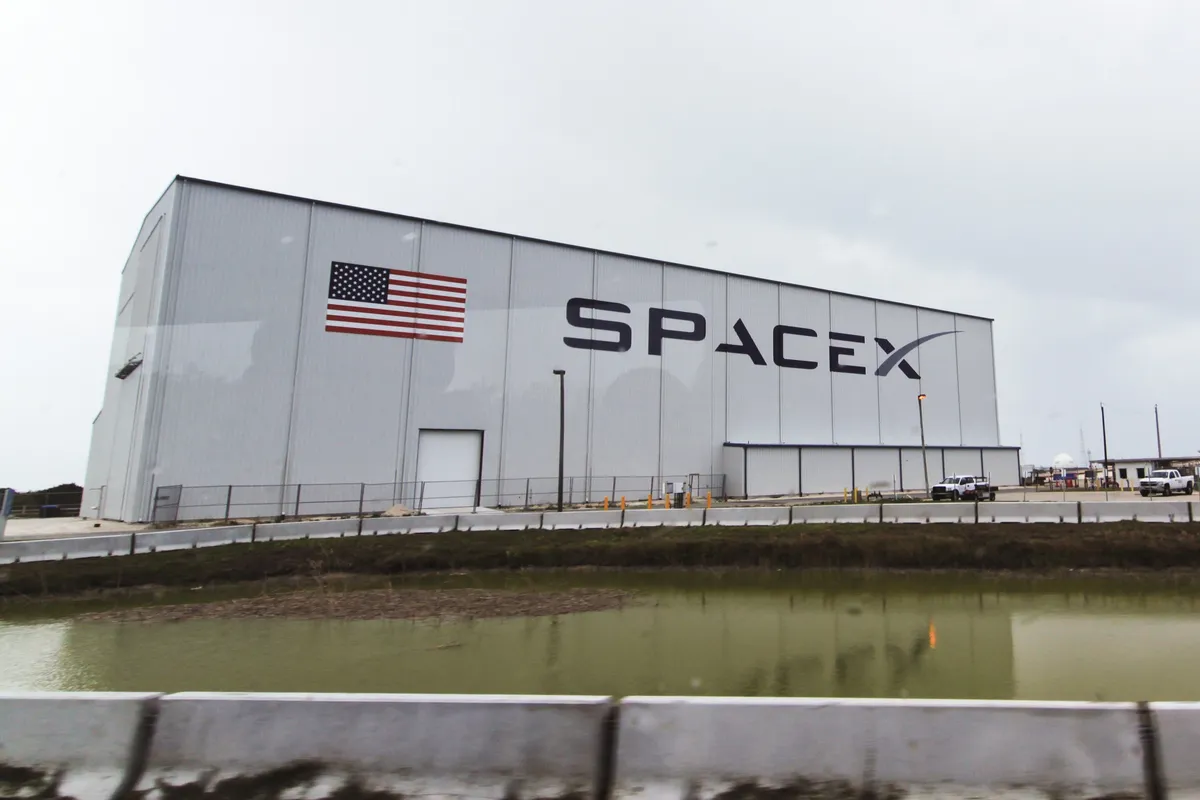
The rocket was launched back in January 2025, carrying two private robotic lunar landers: Blue Ghost by Firefly Aerospace and Resilience by Tokyo-based ispace. While Blue Ghost landed successfully, Resilience crashed during its landing attempt. The Falcon 9 upper stage was left with insufficient fuel for a controlled return to Earth's atmosphere or entry into a stable orbit.
Julianna Scheiman, director of NASA's science and Dragon programs at SpaceX, explained during a press conference on Monday that the company performed "a different maneuver [than deorbiting] to ensure that the second stage is safe per the appropriate rules and regulations." However, natural forces took over. "What happened is, in essence, a mix of solar activity and gravitational forces that set it on a trajectory toward the Moon," Scheiman added.
Impact equivalent to three tons of TNT
With no atmosphere to slow the projectile, the rocket will hit the lunar surface at approximately 5,400 miles per hour, about seven times the speed of sound. The explosive force at impact is estimated to be equivalent to three metric tons of TNT. Scientists predict a crater about 27 meters in diameter and up to 5 meters deep.
The collision is expected to occur at 6:34 a.m. UTC (2:35 a.m. EDT), most likely near the Einstein crater on the western edge of the Moon's visible side. Although the impact will not be visible to the naked eye, observers with telescopes, especially in the Americas, might catch a glimpse of the debris cloud for a few minutes.
Scientific opportunity and a warning for the future
Bill Gray, creator of the Project Pluto initiative for tracking asteroid, comet, and artificial satellite orbits, was the first to calculate the trajectory of this impact. He is also part of the team that published a preprint study last month about the upcoming collision. The study states that the rocket's fall presents "an opportunity to test methods for measuring flash properties for seismic location of the impact site and better understanding the multiple hazards that space debris impacting the Moon poses to future lunar infrastructure and astronauts."
Benjamin Fernando, a researcher at Los Alamos National Laboratory in New Mexico and co-author of the study, emphasizes that such incidents will become more frequent. "As we have more astronauts on the lunar surface, more lunar infrastructure habitats, we need to understand how much risk these impact events actually pose," Fernando said.
He explains that this is an ideal way to study both direct and indirect risks: "the risk of debris impact or being blinded by a flash of light, but also the indirect risk of being hit by a cloud of ejected material that could disrupt or interfere with the functions of spacecraft in lunar orbit."
Plans for bases and debris management
NASA plans to build a base near the Moon's south pole within the next decade as part of the Artemis program. Although the first permanent lunar base is still at least a decade away, the growing number of missions, including uncrewed ones, increases the amount of potential debris around the Moon.
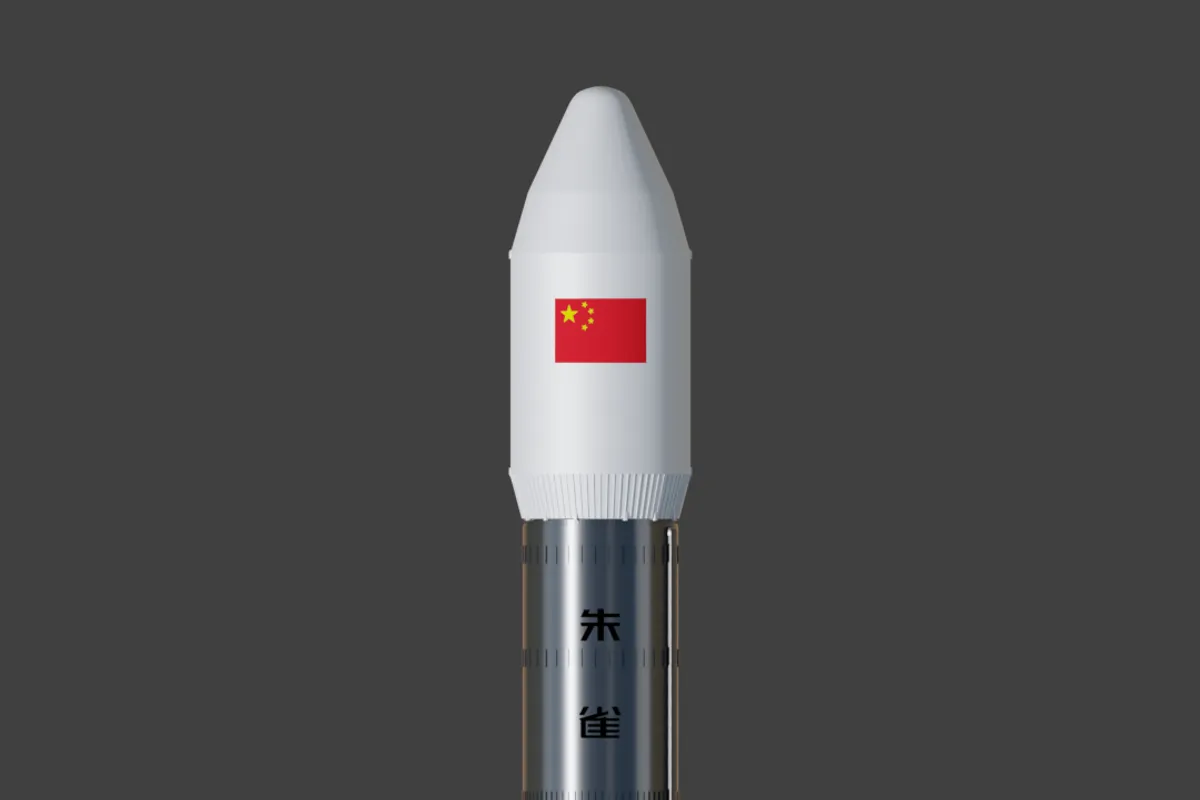
This is not the first time a human-made object has crashed into the Moon uncontrolled. In March 2022, a Chinese Long March 3C rocket left a crater 29 meters wide, and on March 4 of that same year, a mysterious rocket created an unusual double crater that was later determined to be from the upper stage of China's Chang'e 5-T1 mission launched in October 2014.
Julianna Scheiman of SpaceX confirmed that the company is already working on solutions. "That's one of the things we're working on in partnership with NASA and other relevant agencies. What is the best future path for disposing of high-energy missions in the Sun-Earth-Moon system?" she stated, hinting that protocols for safely removing space debris will need significant advancement before humans begin permanently residing on the Moon.