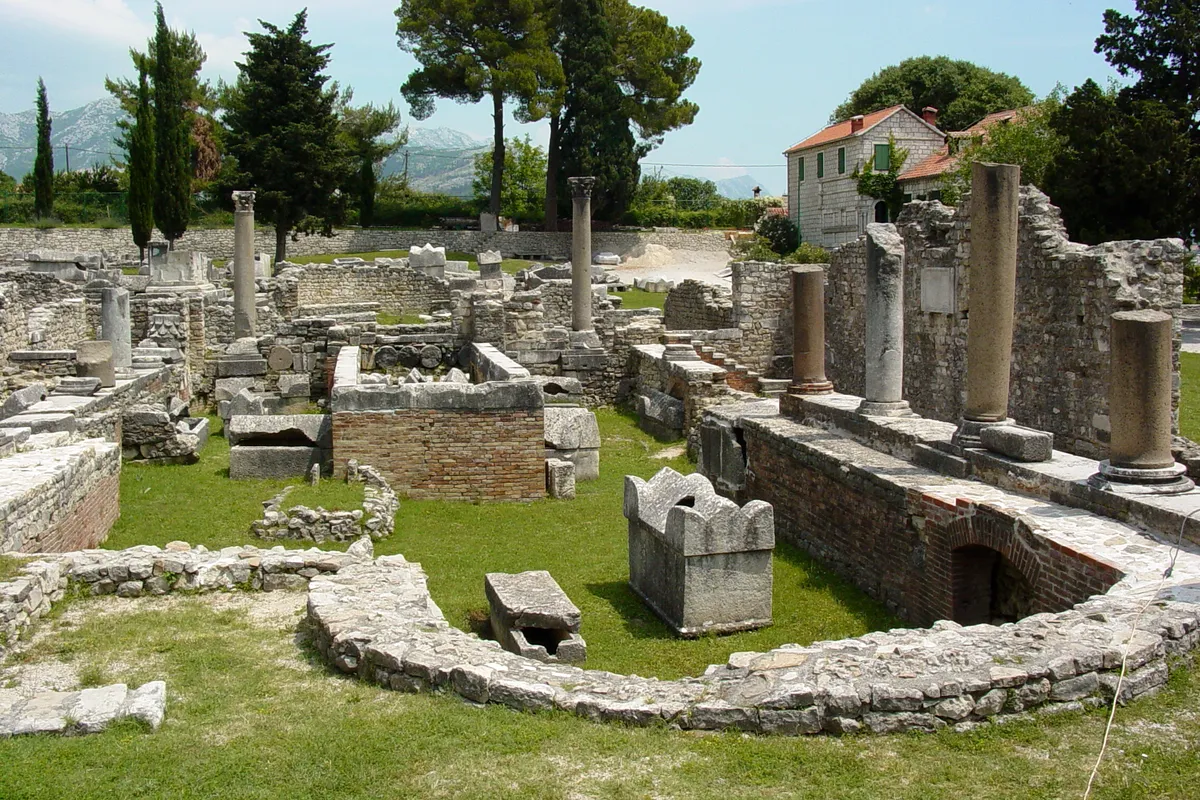
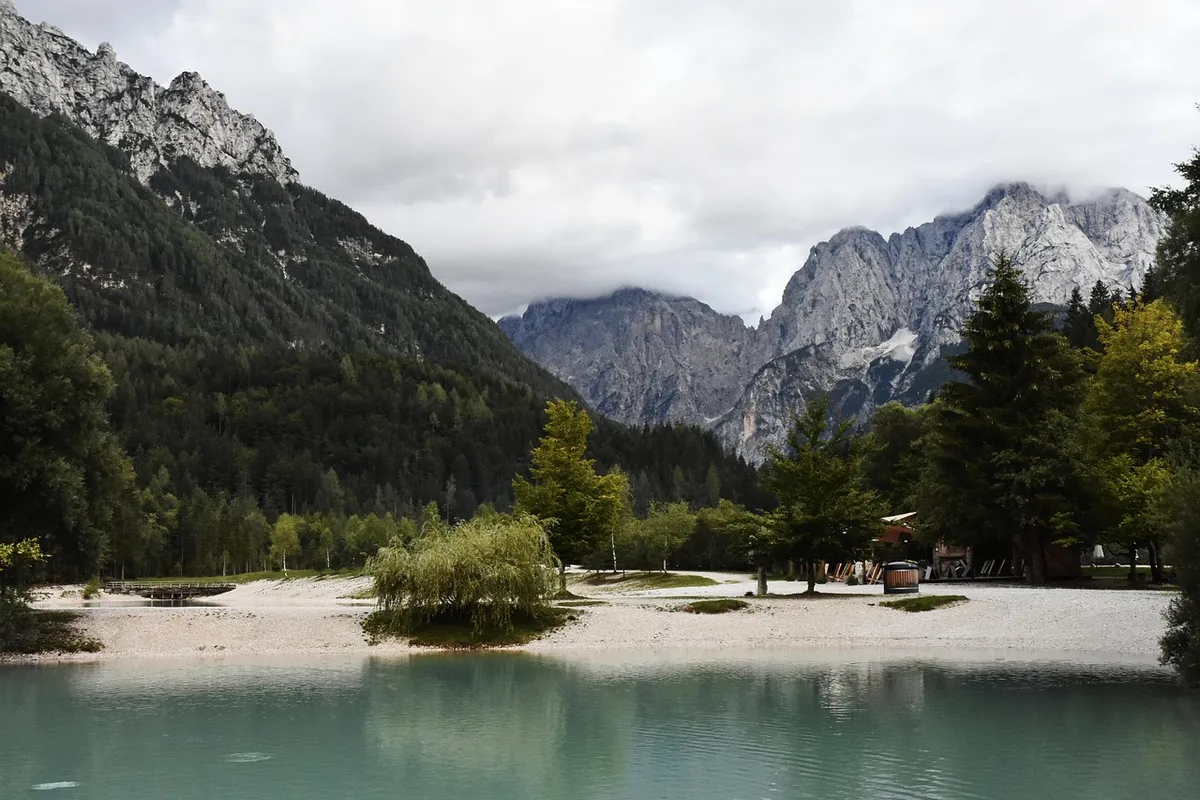
The largest prehistoric hillfort in Croatia, Slanje, Stari Gradec, was presented to the public on Friday, July 31, 2026. Located on the northern slopes of Kalnik, between Vinogradi Ludbreški and Slanje, this monumental Early Iron Age fortification surpasses even some of Croatia's most renowned medieval fortresses in size.
According to Tportal, the site was visited by Varaždin County Prefect Anđelko Stričak, Minister of Justice, Administration, and Digital Transformation Damir Habijan, and the head of archaeological research, Dr. Saša Kovačević, Senior Research Associate at the Institute of Archaeology in Zagreb. Also present were Sandra Malenica, Director of the Center for Cultural Heritage Management of Varaždin County, CUKUR, and Branimir Nađ, Mayor of the Martijanec Municipality, as reported by Prigorski.
Ramparts 14 Meters High and the Size of Knin Fortress
Dr. Saša Kovačević emphasized that the site's dimensions surprised even the archaeological community. "Behind us are ramparts 14 meters high; we are in the ditch of the northeastern part of the hillfort, which spans 12.5 hectares-the size of Knin Fortress, the largest medieval fortification in Croatia," Kovačević told Tportal.
For comparison, as Prigorski notes, Grebengrad, one of the largest medieval fortifications in northwestern Croatia, covers only about half a hectare. Adjacent to the hillfort lies an Early Iron Age necropolis beneath tumuli, which currently presents a significant enigma to archaeologists.
A Unique Early Iron Age Landscape
Kovačević stressed that Slanje is not an isolated site but part of the same cultural landscape that includes the highly significant sites in Jalžabet and Martijanec. "The tumulus in Jalžabet has already progressed far; in Martijanec, there is another large settlement of 40 hectares with a beautiful necropolis beneath tumuli. These are the things that await us," he said for Tportal.
The Institute of Archaeology is taking a holistic approach to research, planning not only excavations but also the protection and future presentation of the site. "Our work does not end with archaeological research alone. From the very beginning, we think about protecting the site, preserving it, and presenting it to the public in the future, so that its value is preserved in the long term and brought closer to people," Kovačević said for Prigorski.
Potential for Continental Tourism
Minister Damir Habijan assessed that the scale of the hillfort in Slanje exceeds expectations and represents enormous potential for the development of continental tourism. "The mere fact that we are talking about a site of about 12.5 hectares speaks volumes about the work ahead for archaeologists, but also about the vast space opening up for creating new tourist offerings in this region," Habijan stated for Prigorski.
He added that such sites are important not only for Varaždin County or northern Croatia but, given their value and concentration in such a small area, could also hold significance in a European context. He assured that the projects will receive support from the Ministry and the Government.
Collaboration Since 2016 and Future Plans
Prefect Anđelko Stričak reminded that the collaboration between Varaždin County and the Institute of Archaeology has been ongoing since 2016, when research began in Jalžabet, where the tomb of an Eastern Hallstatt culture ruler was discovered. Following Jalžabet, research continued in Martijanec, and now in Slanje.
"We eagerly await further archaeological findings to see how the inhabitants of this area lived at that time. We are talking about the fifth, sixth, and seventh centuries BCE," Stričak told Tportal. The County has prepared documentation for the restoration of the tomb in Jalžabet and the construction of an interpretation center.
Precisely with the aim of systematic research and presentation of heritage, the Center for Cultural Heritage Management of Varaždin County, CUKUR was established. "Where possible, we want to involve the local population, their products, traditions, and activities in this story, so that cultural heritage becomes added value and a strong impetus for the development of this region," Stričak said for Prigorski.
Mayor of Martijanec Municipality Branimir Nađ announced the development of the Slane Vode Interpretation Center, near the site, where they aim to connect and consolidate all the sites into a quality tourist product. "Slane Vode has historically been an important precondition for the settlement of this area. Therefore, it is no coincidence that today we find such a large number of valuable archaeological sites here," Nađ concluded for Prigorski.