Vrsi Run Dry While Zadar Waters Its Parks
As Vrsi's reservoir empties and supply cuts loom, the city-owned company in Zadar routinely waters parks on the peninsula. With water losses of 70 percent in the network, questions of accountability arise.
As Vrsi's reservoir empties and supply cuts loom, the city-owned company in Zadar routinely waters parks on the peninsula. With water losses of 70 percent in the network, questions of accountability arise.
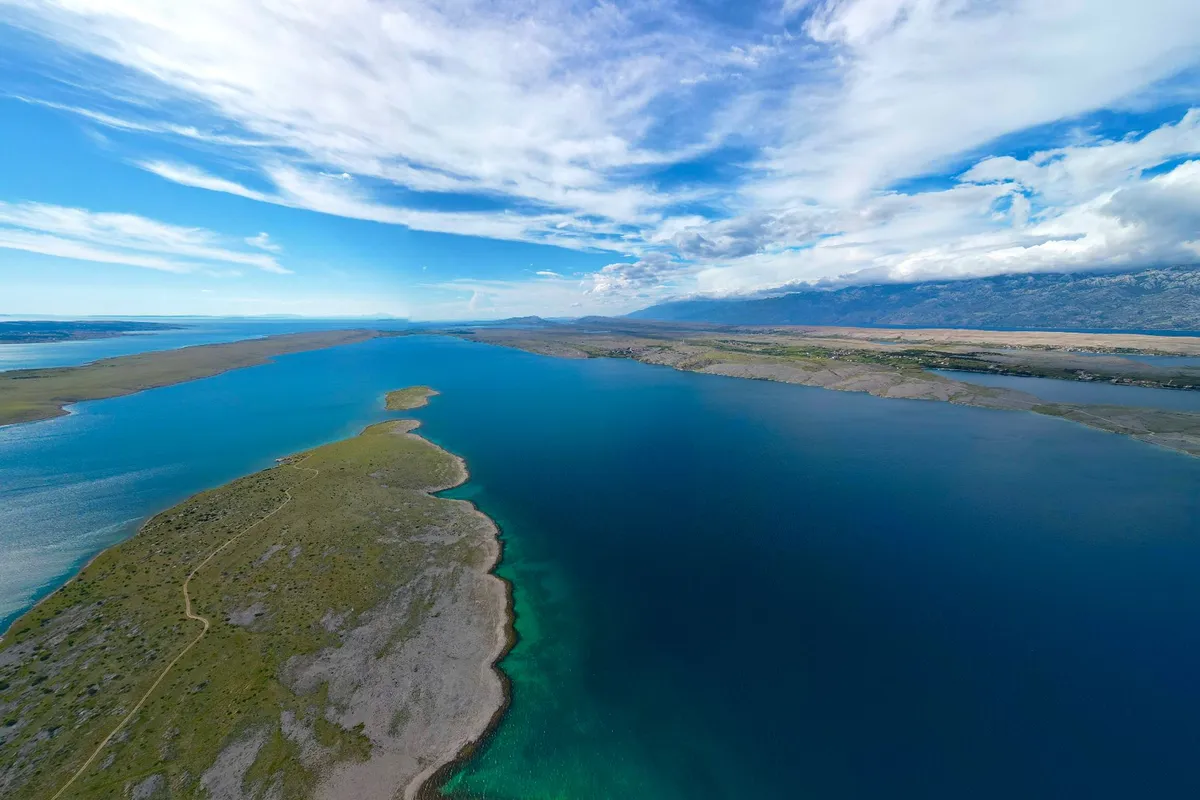
The Zadar County is at the peak of a water supply crisis marked by absurd contrasts and a complete lack of coordination. While one utility company warns of collapse and pleads with citizens to conserve, another acts as if nothing is happening, revealing serious failures in managing a critical resource.
Last night, the municipality of Vrsi issued a dramatic warning stating that the complete emptying of the reservoir is expected, leading to interruptions in water supply. Simultaneously, the company Vodovod d.o.o. Zadar has been sending out pleas for understanding and announcements about redirecting water from other routes to remedy the situation.
However, this morning, on August 6, 2026, in the very heart of the city, the picture is completely different. On Zadar's peninsula, irrigation systems managed by the city-owned company Nasadi d.o.o. are running smoothly, watering the parks. This scene is confirmed by footage available to the portal 023.hr.
This contrast between appeals for conservation and uninterrupted consumption for aesthetic needs is just the tip of the iceberg. Through the aging and neglected Vodovod network, between 65 and 70 percent of the captured water is irretrievably lost into the ground. Scenes along Put Bokanjca, where drinking water is visibly lost, clearly illustrate the scale of infrastructural neglect.
This situation raises a key question: why, in the midst of the crisis and announced reductions, have no internal protocols been introduced to rationalize consumption within the city's own companies? Asking citizens for solidarity and conservation while millions of liters leak from hollow pipes and are used to water ornamental plants represents shifting the burden of the crisis onto end-users instead of confronting years of neglect and dysfunctional management.
The situation inevitably also raises the question of responsibility at the very top of the municipal utility chain. When the system loses two-thirds of its drinking water and simultaneously ignores the lack of basic communication among city companies, it is legitimate to question the operational capacity of the current management of Zadar's Vodovod to contain this crisis. Continuing current practices, it is warned, will undoubtedly lead to a complete collapse of the network and forced reductions that will affect everyone, from households to hospitals and schools.