Forget Cookies and Chips: 10 Healthy Snacks
Nutritionists emphasize that a quality snack can be delicious, easy to prepare, and much more than just a way to curb hunger, it provides energy and valuable nutrients for growth.
Nutritionists emphasize that a quality snack can be delicious, easy to prepare, and much more than just a way to curb hunger, it provides energy and valuable nutrients for growth.
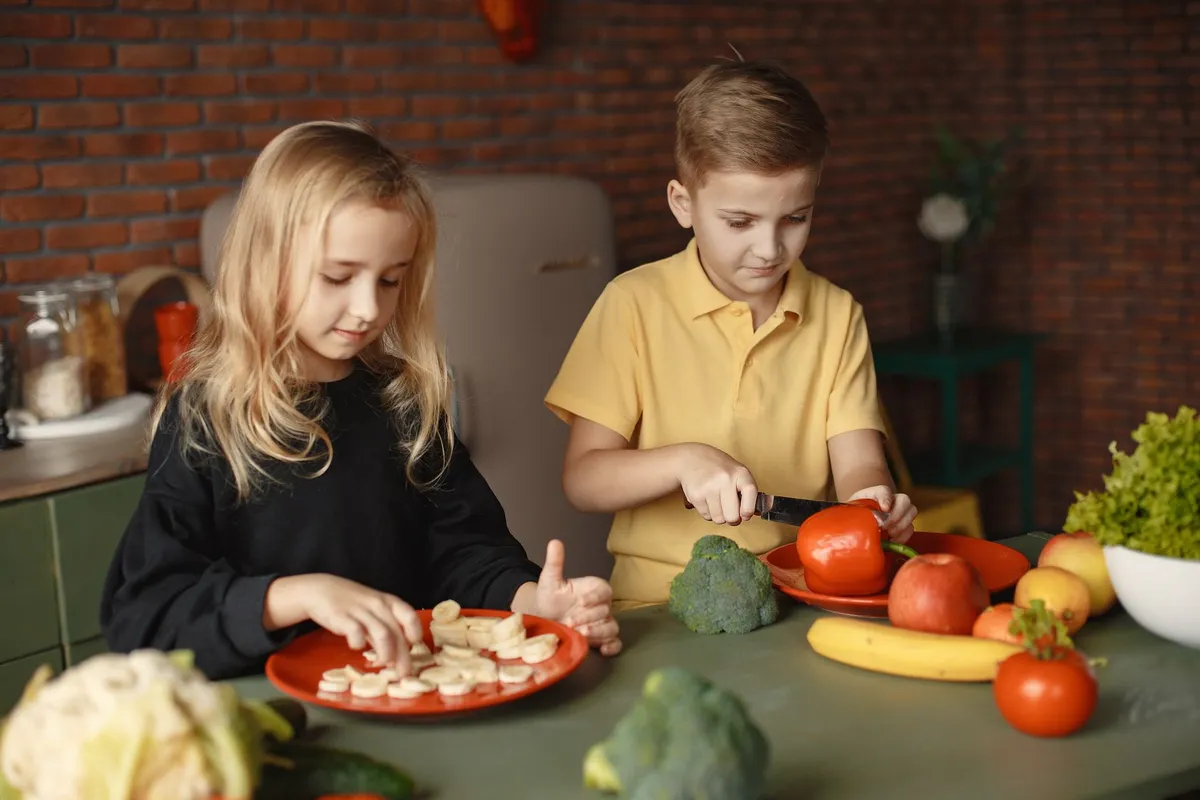
When children get hungry between meals, parents often reach for the quickest solution, cookies, chips, or sweetened fruit purees. However, a snack can offer much more than just immediate hunger relief. With a good plan, it can provide your child with energy, improve concentration, and supply essential nutrients for development. Nutrition experts have prepared ten ideas for Ordinacija.hr that are simple, tasty, and carry their seal of approval.
Because children have smaller stomachs but high energy demands, one or two quality snacks a day are completely justified, especially if the gaps between main meals are longer. The challenge arises when the term "snack" is taken to mean industrially processed products loaded with sugar, salt, and saturated fats. The basic guideline nutritionists recommend is: a good snack should combine at least two food groups, such as fruit with protein or whole grains with healthy fats. This combination ensures longer satiety and more stable energy levels.
1. Whole-Wheat Wrap with Chicken and Vegetables
For a snack that will keep your child full until lunch or dinner, a whole-wheat wrap is an excellent option. A filling of roasted or boiled chicken, thinly sliced cucumber, tomato, and lettuce provides quality protein and plenty of fiber. For added variety, you can include cottage cheese, a boiled egg, or hummus as a substitute for mayonnaise.
2. Hummus with Veggie Sticks
Kids are more willing to eat vegetables when they can dip them. Chickpea hummus brings plant-based protein, fiber, and minerals, and can be served with carrots, cucumbers, peppers, celery, or whole-grain crackers. To make it even more nutritious, you can enrich the hummus with roasted red pepper or beetroot, which will be more appealing to children due to the vibrant color.
3. Fruit Muffins as a Substitute for Store-Bought Sweets
Muffins don't have to be just a dessert. A homemade version made with oats, whole-wheat flour, and fruit pieces like blueberries, apricots, apples, cranberries, or bananas is ideal for a school snack or a trip. The advantage of homemade preparation is complete control over the amount of sugar and fat, and children get more fiber and fruit.
4. Frozen Yogurt with Berries
During warmer days, kids will find it hard to resist this treat that resembles ice cream. Simply blend plain Greek or thick yogurt with frozen strawberries, raspberries, or blueberries and serve immediately. This creamy dessert is rich in protein and calcium, without the high amounts of added sugar typical of commercial ice creams. If desired, you can sprinkle it with ground almonds, chia seeds, or finely chopped pistachios, keeping in mind the child's age and choking hazards.
5. Colorful Fruit Skewers
Sometimes presentation makes all the difference. Strawberries, halved grapes, kiwi, melon, watermelon, peaches, and blueberries can be threaded onto wooden sticks and turned into tempting skewers. Children love helping to make them, and participating in food preparation often encourages them to try new flavors.
6. Plain Yogurt with Fruit Instead of Store-Bought Fruit Yogurts
Ready-made fruit yogurts from the store often contain more sugar than you might think. A healthier and simpler alternative is plain yogurt mixed with mashed strawberries, blueberries, peaches, banana, and a little cinnamon. The result is a naturally sweet snack free of unnecessary flavorings and additives.
7. Mandarin Slices in Dark Chocolate
When your child craves something sweet, chocolate doesn't have to be completely off-limits. Simply dip mandarin or orange slices partially into melted dark chocolate and let it set. This creates a dessert rich in vitamin C, while the amount of chocolate remains symbolic.
8. Homemade Whole-Grain Crackers with Cheese
As a substitute for industrially processed salty snacks, nutritionists suggest homemade crackers or biscuits made with whole-wheat flour, oats, and cheese. These snacks contain more fiber and less salt than most store-bought products, and they're practical for taking to school.
9. Crispy Baked Sweet Potato Chips
Almost all kids love chips, but there's a healthier version. Sweet potatoes sliced thinly, lightly brushed with olive oil, and baked until crispy are naturally rich in beta-carotene, fiber, and potassium. Baking instead of deep-frying yields a nutritionally far superior snack.
10. The Golden Rule for Any Snack
Nutritionists stress that there's no need to overcomplicate things. The best choices are often the simplest: fruit with a handful of nuts for older children, an apple with a piece of cheese, a boiled egg, whole-grain crackers with hummus, or yogurt with fresh fruit. The key is that the snack doesn't suppress the main meal but rather provides energy between breakfast, lunch, and dinner. Also, water should be the primary drink, while sweetened juices and carbonated drinks are reserved for special occasions.
Although parents often feel the pressure to make every meal flawless, experts remind us that consistency matters more than perfection. If a child eats a varied diet most of the time, and snacks are based on fruits, vegetables, whole grains, and quality proteins, the occasional cookie or ice cream won't have negative consequences. What's much more important is that children develop a preference for real food from an early age, as eating patterns established in childhood largely carry over into adulthood.