Daily traffic jams are one of the burning issues for Zagreb residents, and the situation has been further exacerbated by numerous roadworks that began across the city during June and July 2026. The renovation of roads, tram infrastructure, and water and gas networks at multiple locations, coupled with a constant increase in the number of private vehicles, has led to delays that frustrate drivers.
The Zagreb.info portal asked its readers on Facebook how they would solve this problem, and the responses were diverse, ranging from radical bans to concrete infrastructure proposals.
Return to Public Transport and Bans in the Center
A large portion of commenters agree that the key lies in reducing the number of cars on the roads. "Everyone should use public transport like in the old days; you complain about the crisis, yet you go one per car, that's why there's a jam," wrote one reader. Others were even more direct, calling for "A ban on traffic in the strict city center, except for deliveries" or even a complete "Closure of the wider center to traffic and ensuring good public transport."
One comment summed up the core of the problem: "The number of vehicles is increasing, but the space is the same. The solution is to reduce the number of cars, and that can be achieved by improving public transport and improving conditions for vehicles that take up less space, like motorcycles and bicycles." A more radical proposal read: "Just ban private cars from entering the city. Simple."
Construction Sites as the Main Culprit
Some readers see the main cause of the jams in the poor organization of roadworks. They criticized the simultaneous opening of too many construction sites at different locations, such as the one at the busy intersection of Savska and Vukovarska streets, where work is underway. "Don't open 10 construction sites with two and a half workers. Finish one, then move on," was one suggestion.
Besides the sheer number of works, signage is also a problem. "For starters, the works are terribly poorly marked, as is the traffic diversion. Signs are placed too close to the diversion. It's not easy even for those of us who know the city, let alone foreigners," complained one Zagreb resident.
Parking for Tourist Buses as Part of the Solution
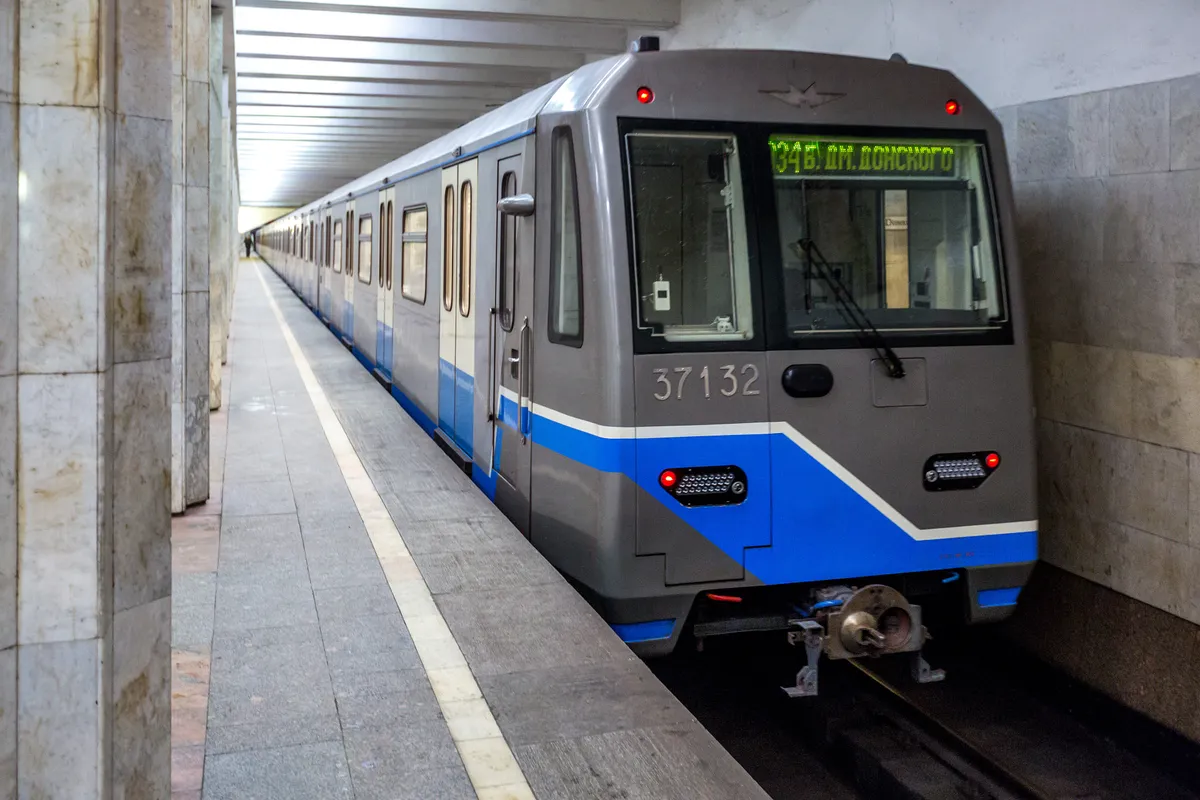
An interesting and detailed proposal came from a reader who focused on tourist buses. He believes that building three large parking lots on the east, west, and south sides of the city, equipped with restrooms and a restaurant, would significantly relieve the center. In his vision, tourists would be transported from these parking lots to their destinations by city electric buses.
"This would contribute to less pollution, less shuttling of passengers to museums or other destinations and back to the parking lot multiple times a day. Charging for bus parking would have multiple positive effects. And tourist bus drivers would also get the rest they need," he explained.