Why Split Is Sinking into Traffic Chaos
Road reconstructions, parking fees, and tens of millions of euros from EU funds have yet to bring relief to drivers. Car numbers are rising, buses crawl, and residents are growing increasingly impatient.
Road reconstructions, parking fees, and tens of millions of euros from EU funds have yet to bring relief to drivers. Car numbers are rising, buses crawl, and residents are growing increasingly impatient.
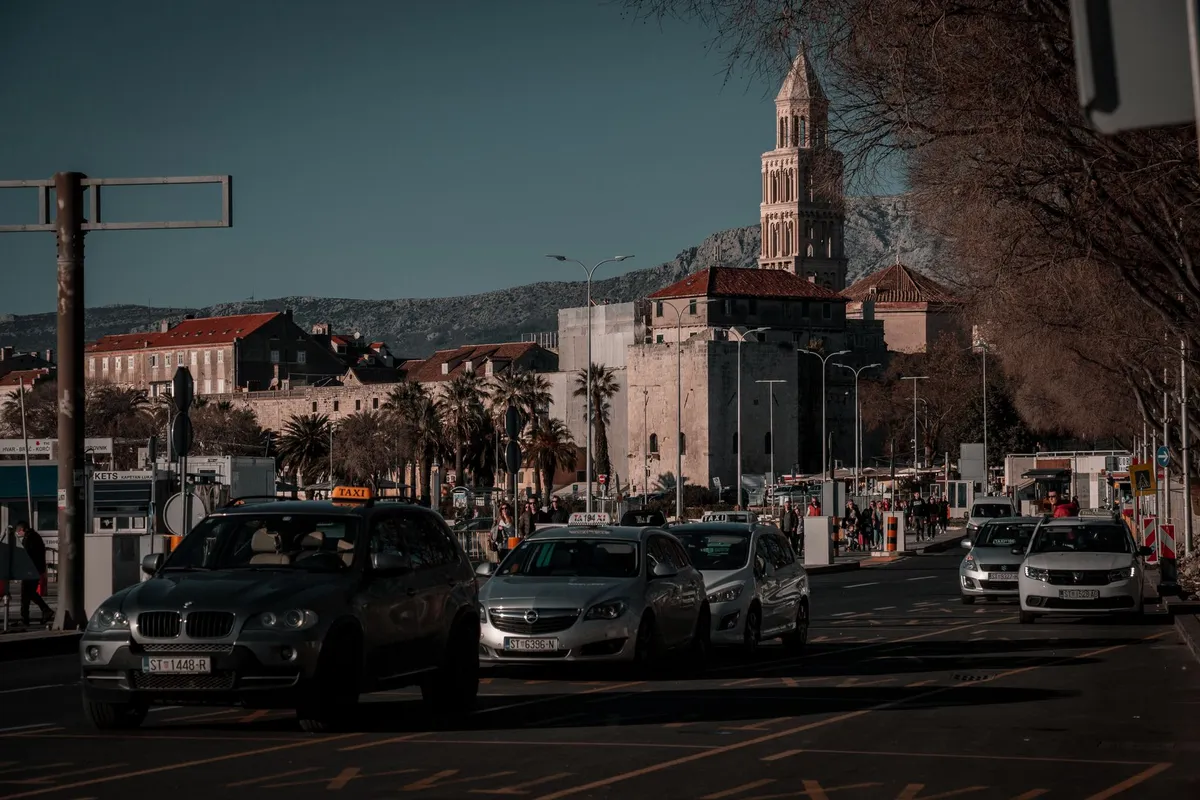
The daily scene at the intersection on the West Bank or the roundabout near the Joker shopping center leaves no room for doubt: Split's traffic infrastructure is under immense pressure. Despite a series of projects and significant European funding, residents are spending more and more time in traffic jams during peak hours, questioning why the situation isn't improving.
According to data from the Croatian Automobile Club, 3,847 traffic accidents occurred on Split's roads in 2023, 12 of which were fatal. While the numbers are alarming in themselves, they are just the tip of the iceberg of a deeper problem troubling residents.
Over the past two years, the city administration has carried out several phases of reconstruction on key roads, including Stjepan Radić Street and Poljička Road. At the same time, parking fees in the city center, introduced last year, have reduced the number of cars in the historic core, but the pressure has merely spilled over to the city's peripheral areas. Residents of neighborhoods like Varoš and Manuš are increasingly vocal about the chronic shortage of parking spaces, where cars on sidewalks have become a common sight.
Mayor Ivica Puljak and head of transport Marijana Šunjić have also announced the construction of a new bridge over the Žrnovnica River, which should relieve traffic on the road toward Kaštela. However, this project is still in the process of obtaining a building permit, meaning a quick solution is not in sight.
Paradoxically, while 50 million euros were secured from European Union funds in 2022 for sustainable mobility projects, including bike lanes and bus fleet modernization, actual indicators are moving in the opposite direction. The number of registered cars in Split-Dalmatia County has increased by 12 percent over the past five years. Public transport, operated by the company Promet Split with 35 bus lines, records an average speed of less than 15 kilometers per hour during peak hours.
"Public transport cannot compete with the car if it is equally trapped in congestion. Until dedicated bus lanes and smart traffic light synchronization are introduced, buses will continue to be late, and people will choose their own cars," warns transport planning expert Boris Popov.
With the arrival of summer, the problems escalate. During the tourist months, the number of vehicles in the city increases by 30 to 40 percent, further choking an already overloaded system. As the city prepares for another season, many are wondering whether the announced measures will finally yield results or whether Split will continue to sink into traffic chaos, despite the tens of millions of euros at its disposal.