Due to weeks of drought and record temperatures, Austrian agriculture is experiencing losses this year that have never been seen before. According to estimates from the Austrian insurance company Österreichische Hagelversicherung, total damage will reach one billion euros, which is half of the total drought damage recorded over the past decade, which amounted to two billion euros.
Unprecedented Losses Across All Crops
Unlike previous years, the drought has affected the entire territory of Austria, with losses present in all agricultural crops. Yields on grasslands and pastures have decreased by 45 percent, while corn, soybeans, and pumpkins have seen a 25 percent decline. Grains are experiencing a 15 percent reduction in yields. Overall, 30 percent of yields have been lost, whose usual annual value amounts to 3.2 billion euros.
The director of the insurance company, Kurt Weinberger, described the scale of the disaster. "Such a situation has never been recorded before; we have the largest precipitation deficit and the highest number of hot days in the history of measurements, along with record-high temperatures," Weinberger stated. Due to a lack of animal feed, some farmers have already been forced to slaughter animals earlier.
This estimate assumes that the severe conditions will last until August 18. If rain does not fall even after that, the extent of the damage will be far greater. In Austria, on average, 60 percent of agricultural areas are insured.
Climate Change and Uncontrolled Construction
Weinberger also warned about the long-term consequences of excessive construction, which, along with extreme weather conditions, directly threatens future food supply. "Due to excessive construction and paving, we are destroying our own land out of sheer carelessness. We are taking areas away from agriculture, destroying natural water reservoirs and carbon dioxide (CO2) absorbers," he said.
Austria is thus being "irresponsibly destroyed," Weinberger stated, adding that "we are European champions in this discipline and are sawing off the branch we sit on." Austria currently meets 87 percent of its own grain needs, but this percentage could drop to 50 percent by 2060. A similar reduction threatens corn and potato production as well.
Anders Levermann, a complex systems expert at the Potsdam Institute for Climate Impact Research, explained the physical mechanisms behind these phenomena. "The atmosphere is hungry for water vapor and simply 'sucks' moisture out of the soil. These are basic laws of physics that we cannot circumvent," Levermann emphasized. Experts point out that next year could be even harder due to El Niño in the Pacific, which affects Europe with a delay. Phenomena that used to occur every ten years now happen every one to two years.
Italy's 'Rice Belt' Running Out of Water
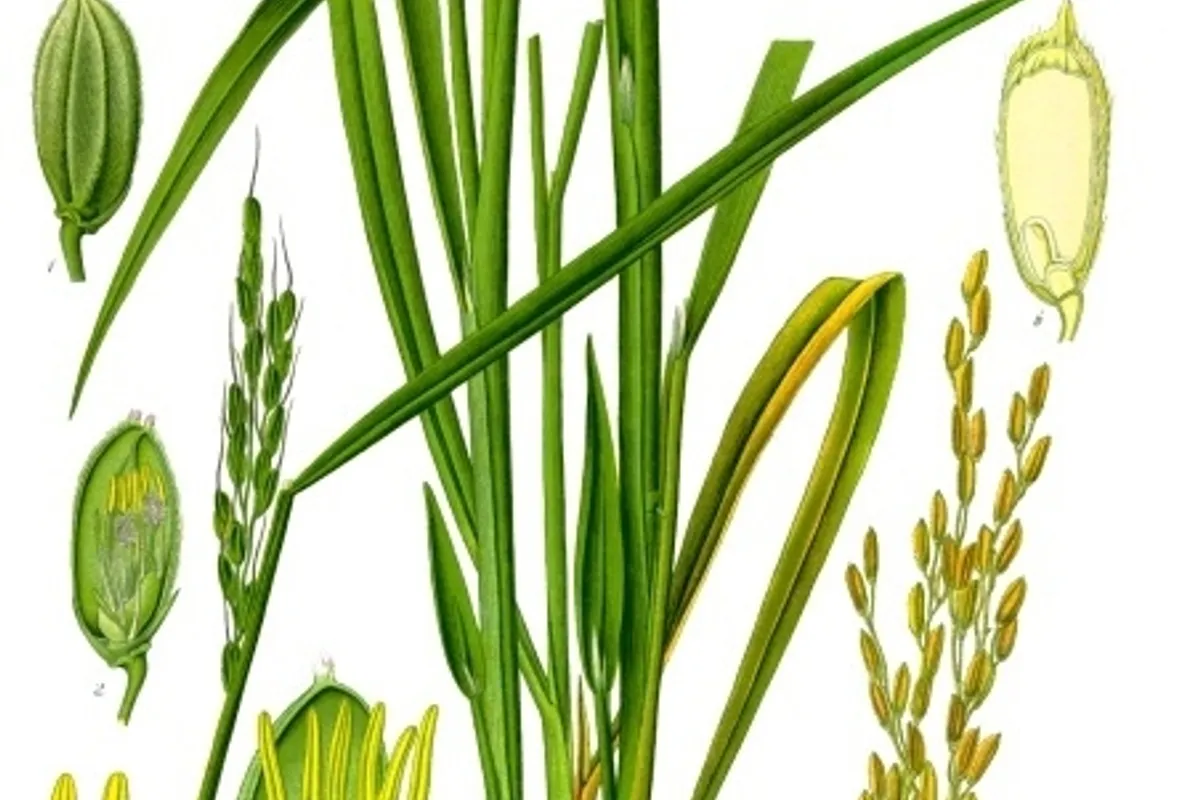
Severe consequences of the drought are also being felt in northern Italy. Drought and increased costs could reduce the income of rice growers in the province of Pavia in Lombardy by more than 100 million euros, according to the local branch of the Confagricoltura association. Italy is the leading rice producer in Europe, and in 2025, rice was sown on approximately 235,000 hectares. Over 80 percent of plantations are located in the northern part of the country, along the Po River.
The situation is so serious that water supply companies are forced to introduce drastic measures. "This year, we had to introduce a rotation system," said Franco Bullano, director of water management at the Est Sesia irrigation consortium, which supplies most of the area. The region is divided into smaller sections that receive water alternately, every two weeks. Bullano also warns of a long-term problem: "We retain only 10 to 11 percent of precipitation."
Rice grower Giuseppe Tagliabue from Lombardy testifies to the difficulty of the decisions producers face. "Due to the current terrible water shortage, we had to make some drastic decisions," said Tagliabue, who has directed all available water to just one part of his crops to save at least a portion of the harvest.
Alberto Lasagna, head of the regional branch of Confagricoltura in Pavia, advocates for a "water agriculture" model, where the soil itself would serve as a natural reservoir, and water would be stored beneath rice fields for use during dry periods. According to official criteria, Lake Maggiore is already in a state of extreme drought, and the water level of the Po River at Cremona has dropped to its lowest recorded value for this time of year.