Toll Prices Could Rise During Peak Season
The Toll Collection Act introduces the possibility of a 'congestion fee,' but the key decision on its implementation rests with the Government, not Hrvatske autoceste.
The Toll Collection Act introduces the possibility of a 'congestion fee,' but the key decision on its implementation rests with the Government, not Hrvatske autoceste.
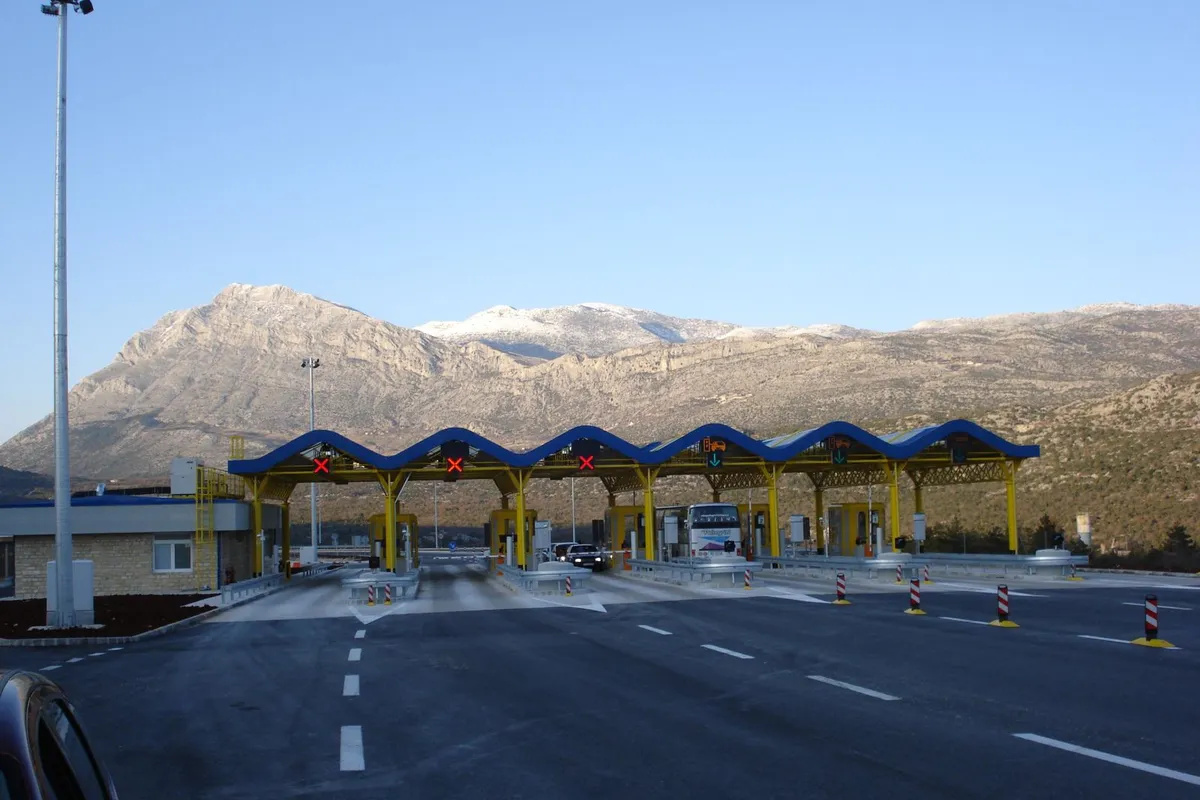
The same highway drive could soon cost different amounts depending on traffic congestion at the time. The new Toll Collection Act, recently published in the official gazette, explicitly lists a "congestion fee" as one of the components of the total price, opening the door to higher charges on the busiest stretches precisely when traffic is heaviest.
This fee can be charged per vehicle to cover costs caused by congestion-and also to help reduce it. For drivers, the key provision is Article 11, which stipulates that the fee may only be charged for using a highway or a section thereof where congestion exists, and only while it lasts.
The practical question is obvious: will driving to the coast during peak summer periods-say, Saturday mornings-cost more than using the same stretch off-season? The law allows for such a scenario, but that doesn't mean it's already decided, nor that every traffic jam will automatically raise the price.
The decision does not rest with Hrvatske autoceste, nor even with the electronic toll collection system itself. "The law explicitly stipulates that the introduction and abolition of the congestion fee is regulated by a Government decision," the text states. So, the possibility exists, but its actual implementation requires a specific decision from the top of the executive branch.
If the fee is introduced, it must be applied to all vehicles in a non-discriminatory manner. Revenue from it should not end up in the general budget-toll collectors are required to allocate it exclusively to addressing congestion on the highway or section where the fee was collected.
The idea that highway tolls depend on travel time is not entirely new in Croatian regulations. The Toll Rulebook already allows for adjusting the infrastructure fee to reduce congestion, improve traffic flow, and increase safety-based on time of day, type of day, or season.
However, there are clear limitations. Peak periods during which a higher infrastructure fee would be charged must not exceed six hours per day, and the system must be transparent. More importantly: on the same section, both the adjusted infrastructure fee and a special congestion fee cannot be applied simultaneously-these are two different mechanisms to spread traffic beyond the busiest periods.
The logic of the system is relatively simple: if passing through a section becomes more expensive exactly when congestion is at its worst, some drivers who can choose their travel time will leave earlier or later. This is particularly relevant in Croatia, where during the tourist season, some highways and approaches to major cities experience periods of extremely heavy traffic.
However, the new regulation does not imply that driving to the coast on a Saturday will immediately become more expensive once toll booths are removed-it primarily creates the legal possibility for such a pricing model. If a new or significantly amended toll that includes a congestion fee were to be introduced in the future, the Ministry must notify the European Commission at least six months in advance and carry out the prescribed procedure. The invoice would also have to clearly highlight the amount of this fee, if applied.
The new electronic toll collection system should therefore not be seen merely as a replacement for barriers and booths. Technology that does not require vehicles to stop will enable a much more flexible tolling system, and the law already leaves room for various pricing models-including the one drivers will like least: paying more for the highway precisely when everyone wants to travel.