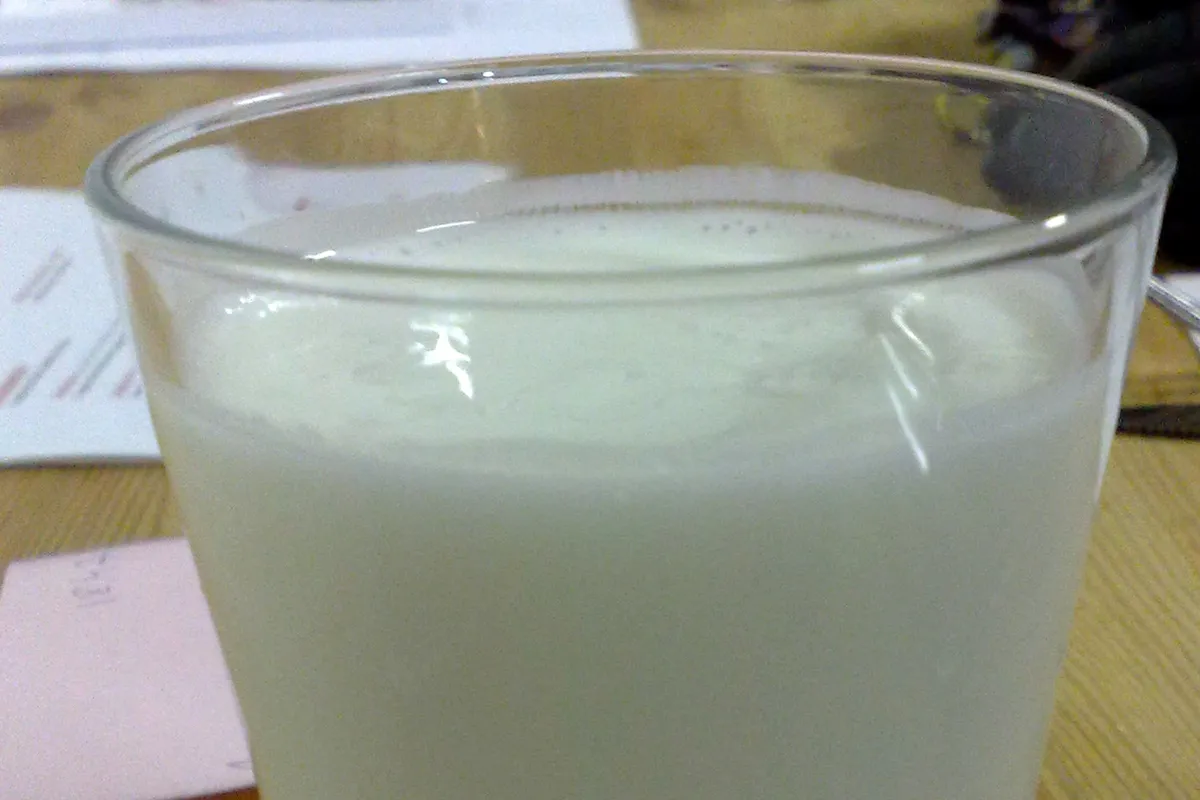
Kefir is considered one of the healthiest fermented foods, and numerous experts highlight its beneficial effects on the gut microbiome. Molecular biologist and microbiologist Hrvoje Dokuzović told Slobodna Dalmacija that making kefir at home is a far healthier option than buying it in a store.
Dokuzović ranks kefir at the very top of foods when it comes to digestive health, but he emphasizes an important difference between homemade and industrial products.
"Kefir is a top-tier food, a score of nine out of ten. However, you still need to be careful. Store-bought kefir and real kefir, prepared with kefir grains, are not the same drink."
Homemade vs. Industrial Kefir: What's the Key Difference?
Industrial kefir is typically produced with only a few specific bacterial cultures to ensure every batch has the same taste and quality. In contrast, kefir made at home in the traditional way is obtained through the natural fermentation of milk with the help of kefir grains, which contain a highly complex mixture of bacteria and yeasts.
The main advantage of the homemade drink lies precisely in this diversity of microorganisms. While commercial kefir has only a few types of beneficial bacteria, homemade kefir made with real grains includes dozens of different types of bacteria and yeasts that work together and support each other.
Today, a rich microbiome is considered one of the main signs of a healthy digestive tract. People with greater diversity of gut microorganisms have better metabolic and digestive function.
"This diversity is key because the gut needs a variety of microbes, not a large amount of just one type," Dokuzović explains.
How to Easily Prepare Homemade Kefir?
To make it, you need to get kefir grains, pour milk over them, and leave them at room temperature for twelve hours. Once fermentation is complete, the kefir is strained, and the grains are saved and reused for the next batch.
During preparation, it is crucial to use clean utensils and follow hygiene standards to ensure safe fermentation.
No Food Is a Miracle Cure
Although homemade kefir is a valuable addition to the diet, doctors remind us that long-term gut health ultimately depends on overall lifestyle. For good digestion and a strong immune system, it is important to have a balanced diet rich in fiber, fruits, vegetables, legumes, and whole grains, as well as to exercise regularly.