Europe Pays a Brutal Price for Climate Change
Record heat, droughts, and wildfires have hit Europe's economy from energy and agriculture to river transport and tourism, with economists warning this is only the beginning.
Record heat, droughts, and wildfires have hit Europe's economy from energy and agriculture to river transport and tourism, with economists warning this is only the beginning.
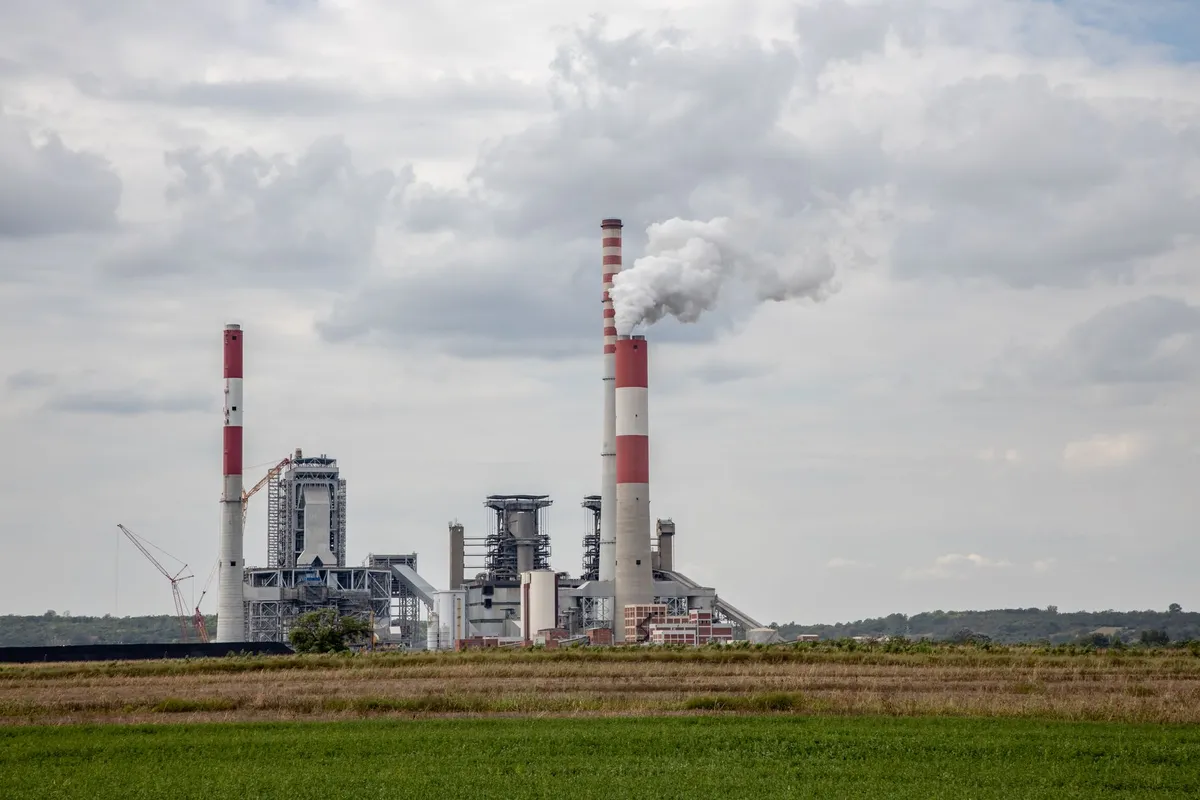
This summer, extreme temperatures, water shortages, and wildfires have dealt heavy blows to Europe's economy, affecting sectors from energy and food production to river transport and tourism. Economists estimate that the total damage already runs into hundreds of billions of euros, with warnings that this is just a preview.
The summer of 2026, with its extreme weather conditions, proves that climate change is no longer a distant future issue for Europe. High temperatures and drought are already causing significant problems for the economy, the energy sector, transport, agriculture, tourism, and the healthcare system.
A particular concern is that multiple extreme events are occurring at the same time. "We have heatwaves, droughts, wildfires... These events are happening simultaneously and largely in the same regions, which amplifies their impacts," warned Sehrish Usman, an economist at the University of Mannheim.
Low water levels on the Rhine and Danube have significantly reduced cargo transport capacity on these vital European waterways. Due to cooling difficulties, more than six nuclear reactors had to shut down or reduce output, and agricultural yield forecasts have also been downgraded.
Late-season crops such as corn and sunflowers already saw estimated losses of between six and seven percent in July. According to ING, a halt to Rhine shipping alone this year could shave 0.3 percentage points off Germany's GDP. Hungary's MBH Bank estimates that each week of downtime at its largest nuclear power plant reduces Hungarian GDP by roughly 0.1 percentage point.
German insurer Allianz estimates that the two-week June heatwave alone will reduce European GDP by approximately 0.3 percentage points. And that's just part of the bill.
"The total cost this year will be much higher. This estimate does not include wildfires, droughts, floods, or the expected El Niño," said Hazem Krichene, an economist at Allianz.
The problem is compounded by the fact that the eurozone is projected to grow by only about one percent this year. Allianz also predicts that climate change could reduce growth in the most vulnerable economies, such as Spain, France, and Italy, by five to seven percent by 2030.
Major changes are also expected in tourism, particularly in traditionally popular Mediterranean countries. "Can you imagine tourists walking through southern Italy or Spain at 45 degrees? I can't," said Carsten Brzeski, an economist at ING.
It is predicted that southern Europe could attract more tourists in spring, autumn, and winter, but simultaneously lose part of its traditional summer season as visitors increasingly turn to cooler northern parts of the continent. This could seriously damage economies that rely heavily on summer tourism.
Extreme temperatures and drought also affect food prices, creating a new headache for the European Central Bank in its fight against inflation. According to researcher Maximilian Kotz, the extreme heat of 2022, through higher food costs, added approximately 0.34 percentage points to eurozone inflation, with southern European countries particularly affected.
Disruptions in river transport further complicate fuel deliveries to some parts of the continent, widening price differences between countries and regions. Climate disasters put double pressure on public finances: governments collect less tax revenue due to weaker economic activity and must spend more on firefighting, repairing damage, and adapting infrastructure.
Allianz believes that the shortfall in economic growth could reduce annual tax revenues by up to 1.8 percent in France, and by about 1.3 percent in Italy and Spain. The problem is further complicated by the high debt levels of some European countries, which simultaneously need to increase spending on defense, the energy transition, and climate adaptation.
However, the biggest bill may not arrive immediately. Research shows that the effects of extreme weather events can weigh on the economy for years through weaker investment, lower productivity, and rising public costs. "You would expect the damage to be greatest in the year the disaster occurs, and then gradually fade. We find exactly the opposite," Usman warned.