European Gas Storage Could Be Empty by April 2027
The US-Iran conflict has slowed the filling of underground storage, and Handelsblatt warns that Europe could run out of gas reserves right after next winter.
The US-Iran conflict has slowed the filling of underground storage, and Handelsblatt warns that Europe could run out of gas reserves right after next winter.
Operators of European underground gas storage facilities are injecting gas at a slower pace due to the conflict between the United States and Iran, making it harder to reach target filling levels before the heating season. According to Handelsblatt, citing calculations by the specialized portal Montel, reserves could be completely depleted by April 2027.
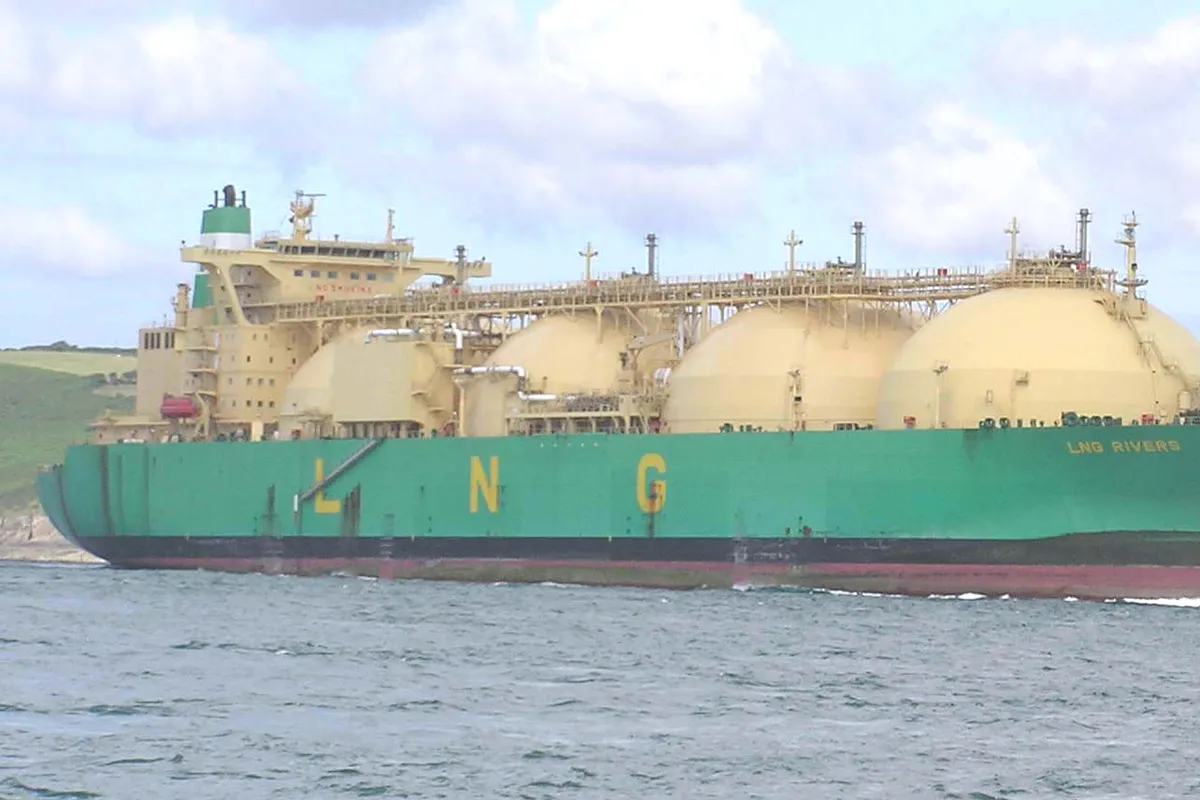
According to data reported by TASS, to fill underground storage to the target level of 80 percent, European Union countries would need to receive 142 liquefied natural gas (LNG) tankers per month over the next two and a half months. However, European LNG terminals have been receiving an average of only 105 tankers per month in recent months.
If the pace of purchases does not change, storage will be only 69 percent full by November 1, 2026. In that case, as Handelsblatt notes, reserves could run out by April 2027, when the heating season in Europe ends.
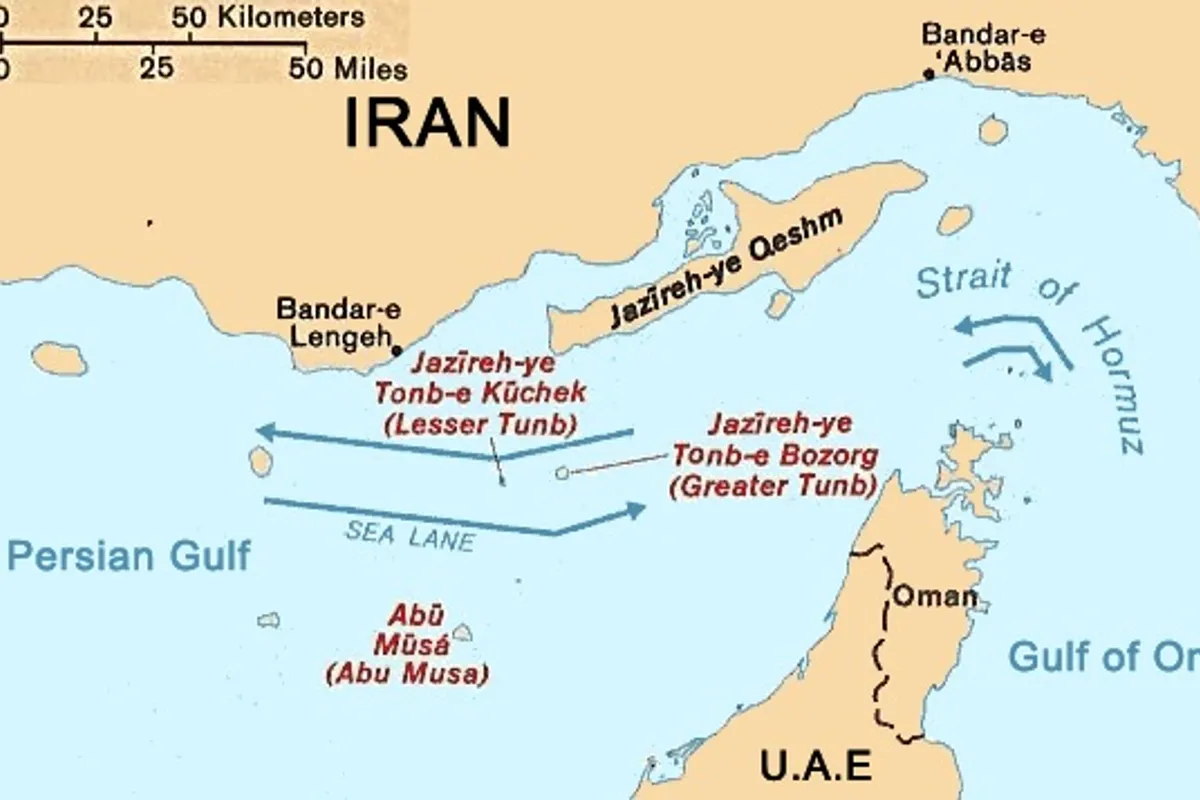
Handelsblatt explains that gas storage operators are private companies that respond to market incentives. They typically buy gas in the summer to sell it at a higher price in the winter and make a profit. However, due to the US-Iran conflict, which has led to a sharp drop in LNG shipments from the Persian Gulf, gas prices remain high.
Importers therefore fear that prices could fall if the crisis is resolved, which would result in losses if they buy gas now at high prices. Additionally, Europe must compete with Asian countries for reduced LNG supplies on the global market. Asian buyers are willing to pay higher prices, allowing them to attract shipments from exporting countries.
Under such conditions, increasing imports would require European companies to pay purchase prices twice as high as those available before the start of the American war against Iran. This would cost them an average of an additional 60 euros per megawatt-hour. In that case, the higher costs of electricity and heating would ultimately be borne by consumers.
Although the report does not directly mention Croatia, a potential gas shortage and rising energy prices at the EU level would also affect Croatian consumers through energy security and market prices.