HAK reveals: Modern diesels demand pricier parts
HAK technical advisor Marin Morava explains what has changed in the maintenance of today's diesel cars.
HAK technical advisor Marin Morava explains what has changed in the maintenance of today's diesel cars.
Although certain parts for modern diesel cars are significantly more expensive, the overall maintenance costs can be lower than for older generations. As HAK has reported, the key lies in considerably longer service intervals and increased reliability, especially up to 150,000 kilometers.
HAK technical advisor Marin Morava points out that some consumables have gone up in price. Fuel filters, due to adaptation to high-pressure injection systems and built-in sensors, can now cost anywhere from 40 to as much as 200 euros. At the same time, more technologically advanced 12-volt batteries, which last between five and eight years, are 30 to 50 percent more expensive to replace than those in older vehicles.
On the other hand, service intervals for modern diesels have been extended to 20,000 to as many as 40,000 kilometers, and with some manufacturers, regular servicing is only required every two years. As a result, visits to the workshop are less frequent, which reduces overall costs in the long run.
Engine oils have also seen changes. Low-viscosity oils, such as 0W-20, are increasingly used, which facilitate cold starts and reduce wear, but can increase fuel consumption on the open road. HAK recommends that drivers always keep a liter of the appropriate oil in the vehicle for topping up.
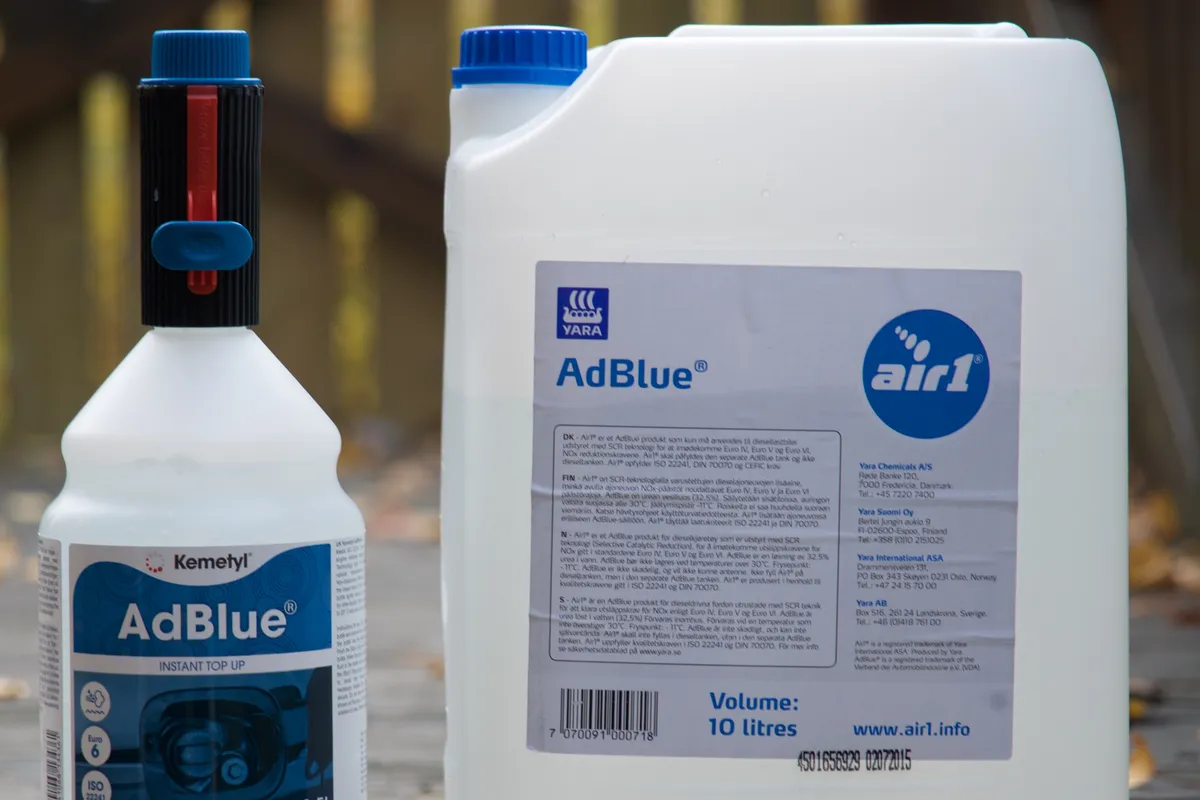
AdBlue fluid, crucial for reducing emissions, represents an additional cost, with average consumption ranging between 0.7 and 1 liter per 1,000 kilometers. The start-stop system, which has introduced the need for more robust batteries and reinforced clutches with dual-mass flywheels, paradoxically extends the lifespan of these components, although their eventual replacement is more expensive.
According to HAK's advisor, diesel engines that meet the Euro 6 standard are now significantly more reliable than they were a decade ago. Thanks to advances in injection and exhaust systems, with regular maintenance they can cover between 300,000 and 500,000 kilometers without major breakdowns. HAK emphasizes that this is a mileage that is much harder to achieve with hybrid and electric vehicles.