Record temperatures, prolonged droughts, and devastating wildfires are no longer just an environmental issue; they directly impact the Croatian economy. This warning was issued on HRT by Marija Šćulac, Vice President of the Croatian Chamber of Commerce (HGK), stressing that climate change already carries a tangible financial cost.
"All these extremely high temperatures, droughts, fires, and other disasters today have a real, concrete economic price," said Šćulac. According to her, without adequate adaptation measures, the damage from climate change at the European level could reach a staggering 126 billion euros annually.
Croatia particularly vulnerable, needing an additional 1.1% of GDP annually
Croatia, due to its size and economic structure, is among the countries particularly exposed to climate risks. World Bank estimates, as cited by the HGK Vice President, indicate that the country would need to allocate an additional 1.1% of GDP annually for adaptation and decarbonization.
Although this is a significant amount, Šćulac warns that delaying these investments is a much more expensive option in the long run. "When we talk about climate change and climate resilience today, we are not only talking about environmental protection, but primarily about economic competitiveness," she said.
Agriculture and tourism on the front line
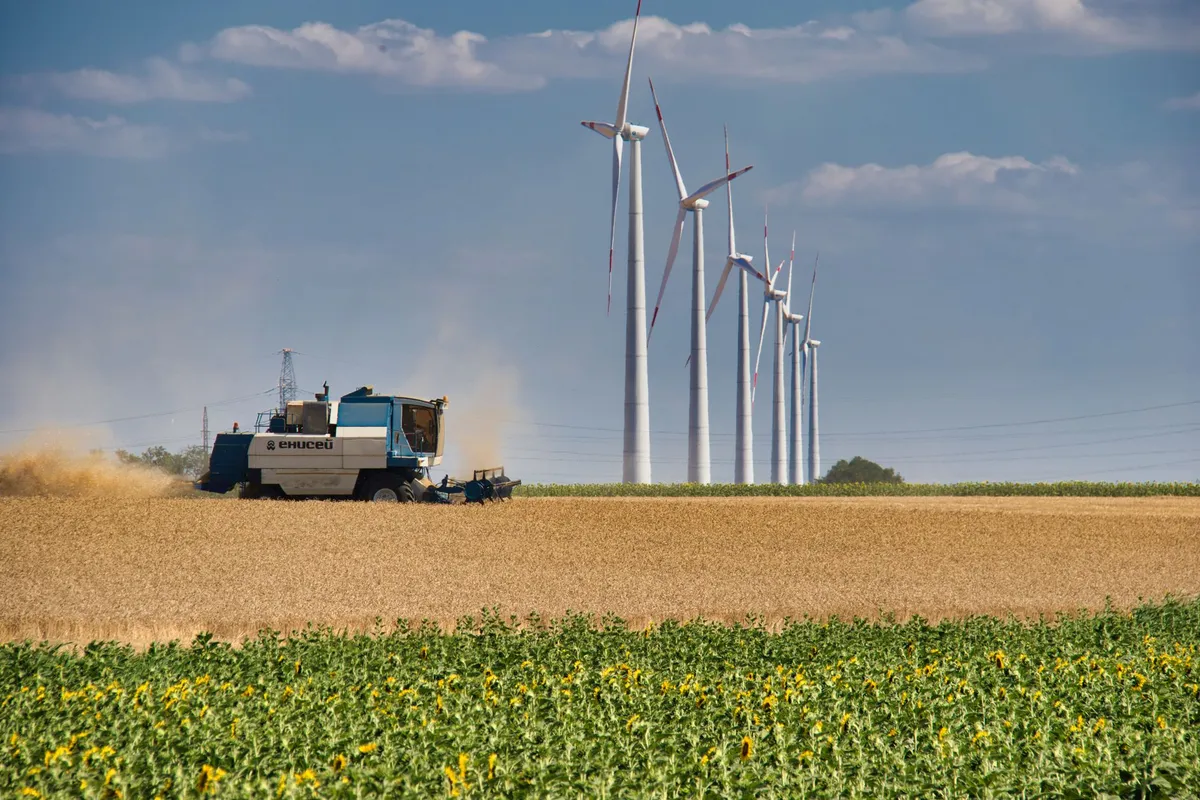
There is hardly a sector that does not feel the consequences, but some are hit harder than others. Agriculture is struggling with extreme weather patterns that reduce yields, while tourism habits could change drastically.
"Due to high temperatures, guests will change their habits and increasingly avoid coming during the hottest summer months," Šćulac predicts. This will force the tourism sector to extend the season and adapt business models. Construction, meanwhile, must find ways to organize work during unbearable heat, while transport and logistics are already recording problems due to droughts and low water levels.
Energy transition as an imperative
High temperatures simultaneously increase electricity consumption and put pressure on production. "The energy transition, especially in the context of climate change, has no alternative. However, Croatia must speed up this process tremendously," warned Šćulac, adding that it is not just about building solar and wind power plants.
She considers the modernization of the power grid, which can accommodate an increasing share of energy from renewable sources, as well as the role of battery systems for storing surplus energy, to be key. "The modernization and construction of the power grid is the key, largest, and most important infrastructure project of Croatia's energy transition," she concluded.
Drought devastates agriculture across Europe and the world
Croatia is not alone in these challenges. In England and Wales, an exceptionally dry July was recorded, and drought has already been declared in parts of England. Geospatial data expert Tom Gray vividly illustrated the speed of changes in southern England. "This picture was taken on June 26 this year, and this one on July 29. So, the difference is only a month. But look at how it looks after we had such a pronounced heatwave, and there was no rain at all this month," said Gray.
The situation is similar in Germany's Bavaria, where farmers expect catastrophic yields. Michael Pellmeyer, a farmer from Freising, testifies to the difficult conditions: "In our region, there has been practically no precipitation for two months, and that is a catastrophe, especially for cereals. We are recording some of the worst cereal yields since records began. And after a severe storm, we also had to deal with hail damage."
The problem is global. In South Korea, some products at markets have risen in price by a third in just one week. The UN World Food Programme further warns of the risk of famine due to climate phenomena. "Such conditions include warming of the Pacific Ocean, which affects the climate worldwide. The last El Niño caused a large increase in hunger," said Jean-Martin Bauer, Director of the Food Security and Nutrition Analysis Service at the World Food Programme.