Climate change is no longer a distant threat but a reality that is already seriously endangering the Croatian economy. This is the warning from Marija Šćulac, Vice President of the Croatian Chamber of Economy (HGK), who stated in an interview with HTV's Dnevnik that, according to a World Bank estimate, Croatia should allocate an additional 1.1 percent of its gross domestic product annually for successful adaptation.
These amounts are enormous, but Šćulac emphasizes that the cost of inaction could be even higher. At the European level, annual drought-related damages are estimated to reach as much as 126 billion euros, and Croatia ranks among the countries most exposed to climate risks.
No Sector Is Spared
The Vice President of HGK warned that virtually no part of the economy remains unaffected by climate change. Agriculture is already facing the consequences of extreme temperatures and droughts, while tourism must adapt to changing guest habits. Instead of the summer months, tourists will increasingly choose cooler seasons, meaning the tourism sector will need to extend the season and adjust its business models.
The construction industry will also have to find new ways to organize work during extreme heat, while logistics and transport are already feeling the effects of low water levels. Special emphasis was placed on the energy sector, where Croatia must dramatically accelerate the transition process.
Key Project: Grid Modernization
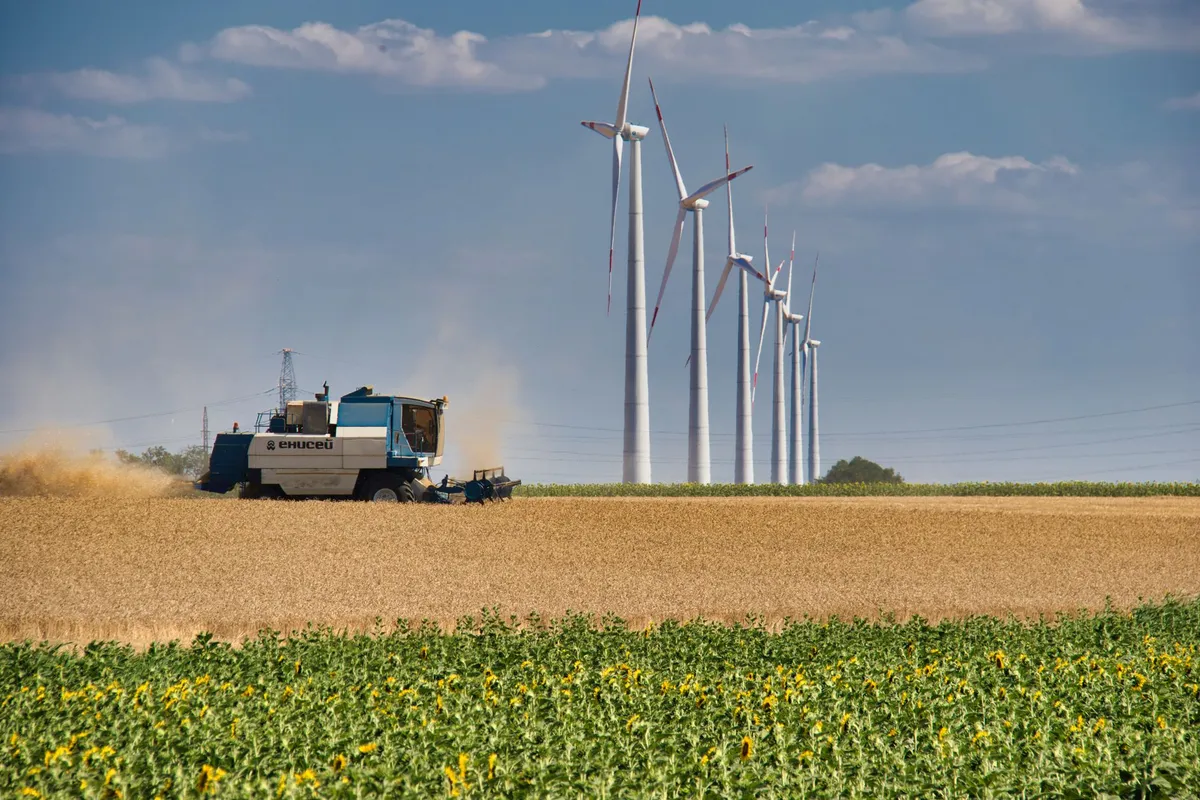
According to Šćulac, the energy transition involves not only building new solar and wind power plants but also a broader transformation of the entire system. Croatia needs a robust and modern power grid capable of accommodating an increasing number of renewable energy sources.
Battery systems will also play an important role, storing energy during periods of high production and feeding it back into the grid when it is scarce.
"The modernization and construction of the power grid is the key, largest, and most important infrastructure project of Croatia's energy transition," concluded Marija Šćulac on HTV's Dnevnik.
Accelerated grid modernization is not just a matter of energy efficiency but a necessary step to avoid supply issues, rising costs, and serious economic disruptions that threaten if timely action is not taken.