Croatia Faces Serious Crisis: Plenković's Cautious Approach
Finance Minister has given ministers a deadline of September 1 to prepare 'cuts' in their departments, and public sector salaries will not rise next year.
Finance Minister has given ministers a deadline of September 1 to prepare 'cuts' in their departments, and public sector salaries will not rise next year.
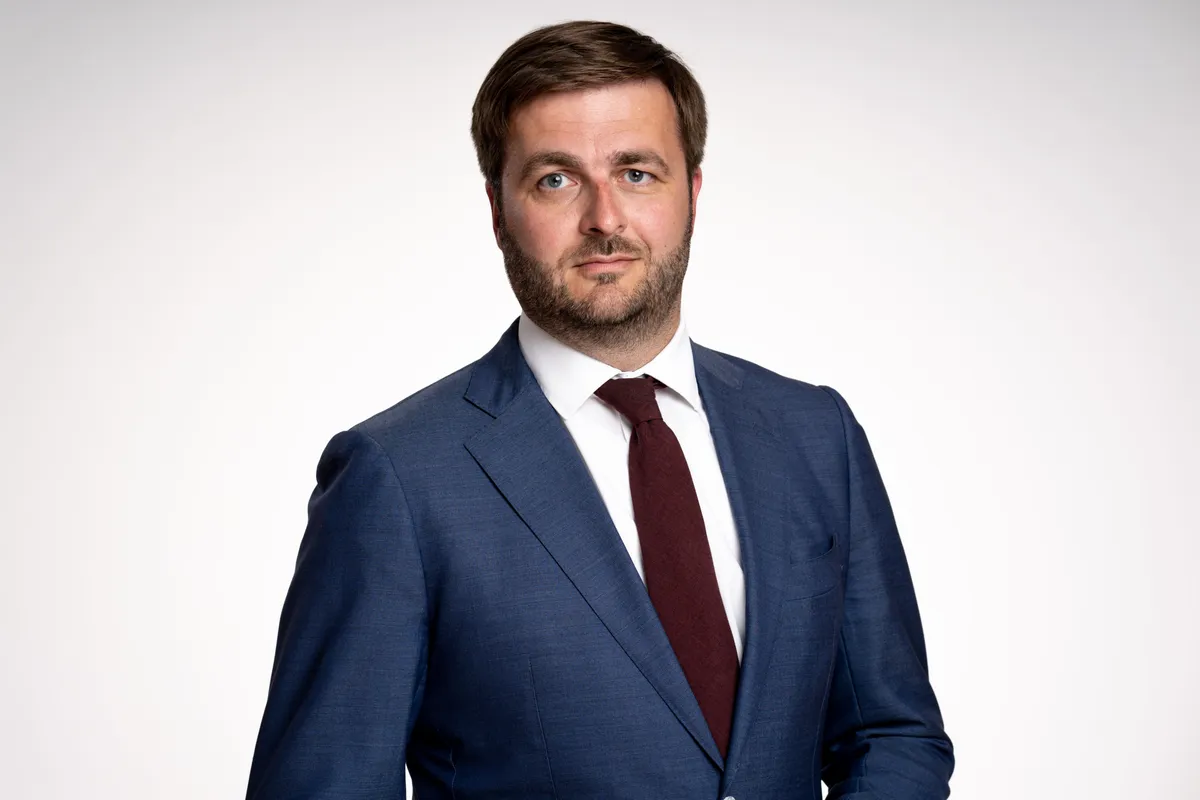
Croatia is facing serious fiscal consolidation, and the government is preparing a budget revision that will halt numerous capital projects and freeze public sector wage growth. Finance Minister Tomislav Ćorić has told his colleagues that he will be brutal, while Prime Minister Andrej Plenković advocates a model of gradual, quiet cuts. While state and public employees can expect a maximum salary increase of three percent by the end of the year, next year's growth will be zero.
Large infrastructure projects, particularly in the transport and infrastructure sectors and water management projects, remain on hold. The Finance Minister has given all his colleagues a clear task: by September 1, 2026, they must prepare a list of cuts in their ministries. Public sector salaries will not increase next year, and the only compensation for excellent workers will be up to five additional days of annual leave. The government's message to employees is clear: "what you've got, you've got."
The budget revision being prepared is far from a technical correction. After years of strong revenue growth driven by inflation and European funds, the room for further increases in expenditure has drastically narrowed. The state budget is barely maintaining the permitted deficit of three percent, and pressure is being created by the decline in tourism, rising prices, and an increasingly serious fuel crisis, some gas stations in Croatia are already running out of diesel and blue diesel.
The heaviest burden will fall on capital projects that are delayed or have poor dynamics in drawing down European funds. The Ministry of Physical Planning, Construction and State Assets could postpone part of its investment programs not related to earthquake reconstruction, all the way to 2027. The Ministry of the Sea, Transport and Infrastructure, led by Minister Oleg Butković, will face extended deadlines for the national component of financing for major railway projects.
The Ministry of Economy will focus on rationalizing subsidies, with a gradual reduction of the billions of euros allocated for energy support. The Ministry of Agriculture, led by the Homeland Movement, will not experience dramatic cuts due to the political sensitivity of the sector, but the reduction of support in Slavonia, where the party still has a stronghold, will be difficult to justify.
The health, education, and social welfare sectors will have the least work with cuts because their expenditures are mostly fixed. However, Health Minister Irena Hrstić could feel pressure from the Finance Minister to "tighten the purse strings" and implement rationalization of the hospital system, consolidated procurement, and stricter cost control. The Ministry of Science, Education and Youth can hardly be subject to significant cuts, but investment projects that have not started could be postponed.
The only areas that will almost certainly remain outside serious cuts are defense and internal affairs. Due to NATO obligations and accelerated rearmament, allocations for the Ministry of Defense will continue to grow. The same applies to the Ministry of the Interior, especially in the area of border protection and police modernization. On the other hand, the Ministry of Culture and Media could feel the heaviest burden on new investment projects, while programs financed with European funds will remain a priority.
The Finance Minister has also openly announced a detailed analysis of material costs in state administration. Some new hiring will be frozen, and control over official travel, external services, consulting contracts, and equipment procurement will be tightened. Although individually these measures do not result in large savings, their effect on the entire state system can be measurable.
The most likely scenario is not a classic budget revision with cuts like those implemented during the debt crisis fifteen years ago, but rather a model of "quiet consolidation." It involves slowing expenditure growth, postponing less priority investments, rationalizing state administration, and selectively eliminating certain subsidies. This approach allows the government to maintain a political message of continued economic growth while simultaneously sending a message to the European Commission and financial markets that Croatia is seriously working on controlling the budget deficit and public debt.
The key question is not how much will be saved in absolute terms, but whether the government has the political strength to reduce expenditures that are constantly rising, especially public sector salaries, subsidies, and operational costs of the state. The answer to that question will reveal whether the upcoming budget revision is just a routine budget correction or the beginning of a more serious fiscal consolidation before the drafting of the state budget for 2027.
Additional pressure is created by the government's decision to transfer profits of state-owned companies directly into the state budget. This means that companies with the largest profits will not be able to invest as much as they planned, but will also have to put their projects on hold. At the same time, the abolition of income tax on pensions will create a shortfall of nearly 200 million euros for local and regional self-government units, for which income tax is a source of original revenue. The state will likely have to use compensation mechanisms for most of them.
Minister Ćorić, in his recent appearances, does not focus on "big reforms," but on expenditure management and state efficiency. His priorities include strengthening tax discipline and combating the gray economy, rationalizing state spending before increasing taxes, and preserving the investment rating and fiscal credibility towards Brussels. The hardest hit will be state agencies and public institutions with overlapping competencies, subsidies without measurable effect, capital projects with low implementation, and material expenditures of ministries.