Croatia Tests Every Baby for SMA
Since the start of screening, more than 112,000 newborns have been examined, and early detection of spinal muscular atrophy enables timely therapy and significantly better outcomes for affected children.
Since the start of screening, more than 112,000 newborns have been examined, and early detection of spinal muscular atrophy enables timely therapy and significantly better outcomes for affected children.
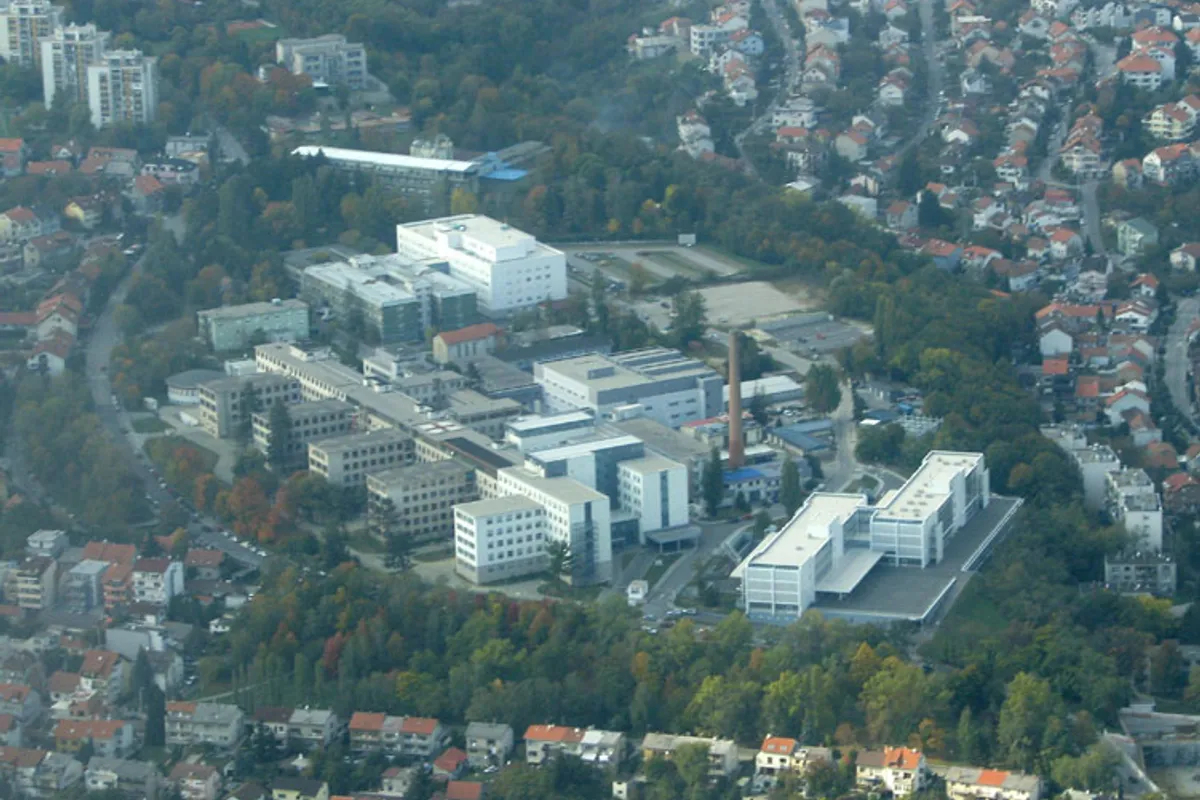
Croatia has been conducting newborn screening for spinal muscular atrophy (SMA), a severe neuromuscular disease that in its most aggressive form can lead to death in the first year of life, for three years now. The test is performed from a few drops of blood, and so far more than 112,000 babies have gone through the program.
Branka Bunoza, a neuropediatrician at the Department of Pediatric Neurology at University Hospital Centre Zagreb, emphasizes the crucial importance of rapid response after a positive result. "When we have a positive genetic result, it is very important to start treatment as early as possible. Because in its most severe form, the disease results in death within the first year of life," Bunoza told Net.hr.
SMA affects approximately one in 10,000 newborns. Thanks to screening, neuropediatricians at University Hospital Centre Zagreb inform parents on the same day if the result is positive, and they come for their first specialist appointment the next day. Currently, the oldest child identified through this project and treated for SMA is three years old, while the youngest is only four months old.
How much early detection and therapy can change a life is testified by Ana Alapić Mihajlović, a member of the Kolibrići Association, who fought for years for access to medications. "Recently, a child with SMA type 2 ran past me. Not even walked, but ran! That child, had it not been for newborn screening, would have been diagnosed only at the moment when they should have started walking," Alapić Mihajlović recounted.
Her son Mate was diagnosed at six months, but treatment only began when he was ten. Despite the delay, the results of therapy are now visible. "Mate has kept his smile, he has facial expressions. He can breathe independently for up to an hour. He even has movement in his arms, legs, shoulders. He has those small movements. That was absolutely unimaginable before," she added.
Doctors are increasingly receiving photos and videos from parents of children who, thanks to early detection and treatment, are progressing as expected. "We receive videos and pictures from parents of children who are developing as expected, who are bathing with their parents, happy, and continuously developing," Bunoza said.
Three medications for the treatment of spinal muscular atrophy are currently on the Croatian Health Insurance Fund (HZZO) list. Jelena Matuzović, head of the Medicines Department at HZZO, revealed specific figures: "Currently, 106 patients with spinal muscular atrophy are being treated at the expense of HZZO. Last year, 15 new patients were included, and this year, up to July, six new patients have been included, with some cases involving switching from one medication to another."
Last year, €16.7 million was allocated for SMA treatment. Given that the therapy is very expensive, each treatment must be approved by the hospital medicines committee, with the proposal coming from the reference center.
An important logistical step forward is the acceleration of blood sample transport. Previously, cards with samples from maternity wards could take more than two weeks to reach University Hospital Centre Zagreb, but with the introduction of a courier service, this problem has been solved, and samples now arrive in time for timely diagnosis.