After stories spread in June and early July about tourists giving up on Croatia, July brought a complete turnaround. Beaches have been crowded in recent weeks, apartments and hotels are fully booked, and the numbers confirm that tourism, at least statistically, is thriving. On the island of Krk, the crowds are so large that guests have even been accommodated under the sea, with the opening of a new seabed walking tour.
"I really enjoyed it. It was a great experience. We saw fish, a small sea urchin, and starfish," said Alex, a tourist from Germany, for Net.hr. Germans are by far the most numerous guests on Krk, and the 2 percent increase in overnight stays in July shows they have remained loyal to Croatia's second-largest island.
Numbers Rise Despite Turbulence
According to e-Visitor data reported by Net.hr, since the beginning of the year, Croatia has welcomed 12.4 million tourists, a 1 percent increase compared to the same period last year. They generated 59.1 million overnight stays, also up 1 percent. July brought even better results: 4.7 million arrivals (up 2.5 percent) and 29.6 million overnight stays (up 1 percent).
In Bol on Brač, they also record a 1 percent increase. Alongside Germans, Austrians, Slovenes, and domestic guests, more and more Serbs are coming thanks to the direct flight route. "The last few years have been very turbulent; since COVID, we practically haven't had a season without some new global crisis and uncertainty. In that context, the fact that we maintained last year's results and achieved growth is a good result for us," said Katarina Maričić, the mayor of Bol municipality.
The Paradox of Empty Terraces
Despite the good numbers, restaurateurs are facing empty terraces. Although they have reported higher turnover, the question is whether they are actually doing better. While some believe the reason is an oversupply of restaurants, sales expert Emil Pavić points to a key problem: we have become too expensive.
"A cheap dish like pizza, which now costs 10, 12, 15, or even 20 euros, is absurd; I mean, those who make it know what it actually costs. I was recently in Italy, and I was shocked by their prices; they are much cheaper than us," Pavić told Net.hr.
Guests on Brač have also noticed higher prices, but the key question is whether they got value for their money. "Every product on the market will find its buyer, and it's up to each entrepreneur to find that balance between price and the value their customers will recognize. Those who find that balance and are recognized by guests will be successful, while those who don't adapt will struggle to survive in the long run," Maričić said.
Why High Prices Affect Everyone
Pavić warns that overpriced restaurants have broader consequences. "Here, most guests still come to private accommodation, to apartments. These are people who cook in their apartments and prepare food, which means they automatically buy that food in shopping centers; demand for those products doesn't fall, and prices constantly rise," he explained.
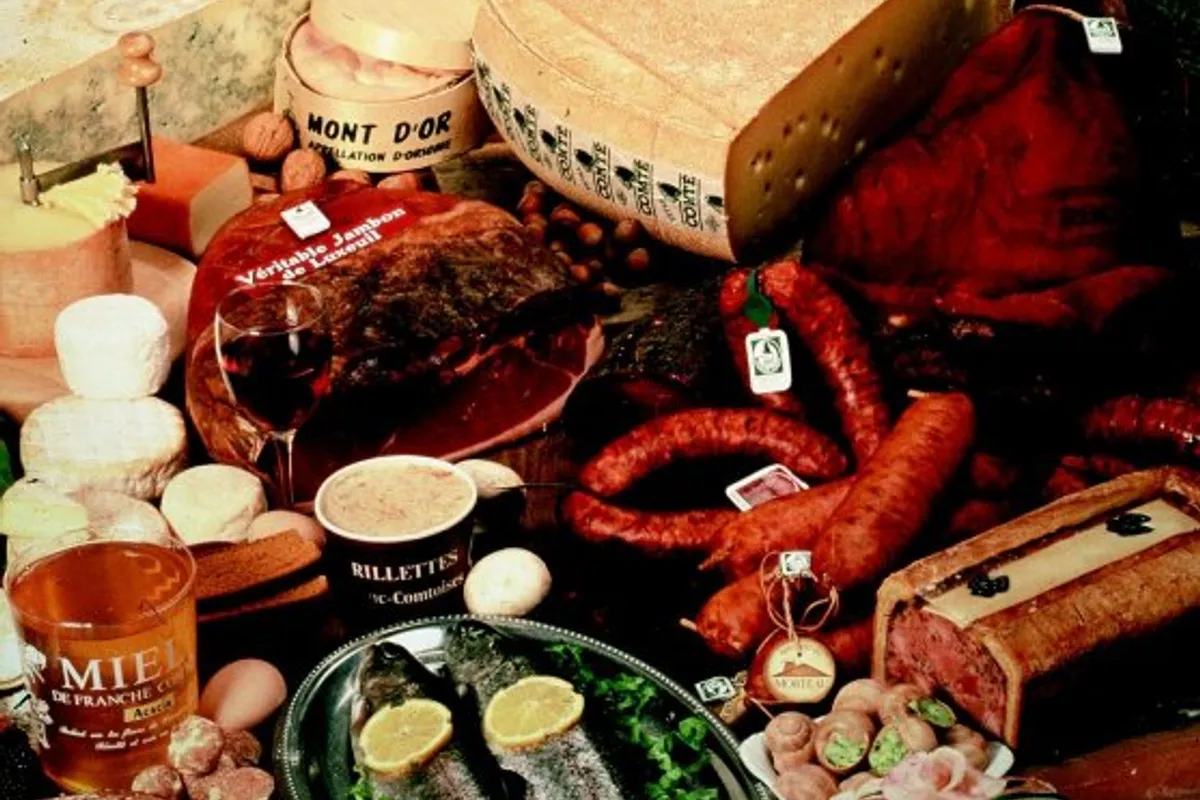
Still, guests are willing to pay more for top-quality indigenous products they can't taste at home. On Krk, they have a formula that keeps guests coming back. "Excellent gastronomy, our Vrbnik žlahtina, prosciutto, indigenous products, šurlice... So, gastronomy is at a high level," concluded Petar Škarpa, director of the Krk Island Tourist Board.
The recipe is clear: instead of burgers and pizza on every corner, maybe it's time to return to the Mediterranean as it once was. With a better offering of local specialties, restaurants will be fuller, and guests will ask less about prices.