Professor Željko Križevac (74) from Valpovo, a renowned Croatian mycologist, lawyer, and political scientist, has prepared a real treat for all mushroom lovers and healthy eating enthusiasts. His new book "Edible Mushrooms in Croatia" offers a detailed overview of 90 edible mushroom species found in Croatia, along with 100 recipes for their preparation. The book is intended for a wide range of readers, from beginners to hospitality professionals, students, and scholars.
Professor Križevac has been discovering, collecting, and identifying edible mushrooms for 60 years, and has been producing oyster mushroom mycelium for 40 years. "This love for mushrooms has continued to this day. Since the age of 31, I have been actively involved in identifying and researching mushrooms, and in 1983, I conducted experiments on growing champignons and oyster mushrooms," he told Net.hr. That same year, at the Faculty of Agriculture in Zagreb, he met Professor Roman Božac and Professor Josip Kišpatić, who shared their knowledge on mycelium production technology. This tireless retiree has more than five hobbies and leads a very active life.
A Unique Book and a Key Warning About AI Tools
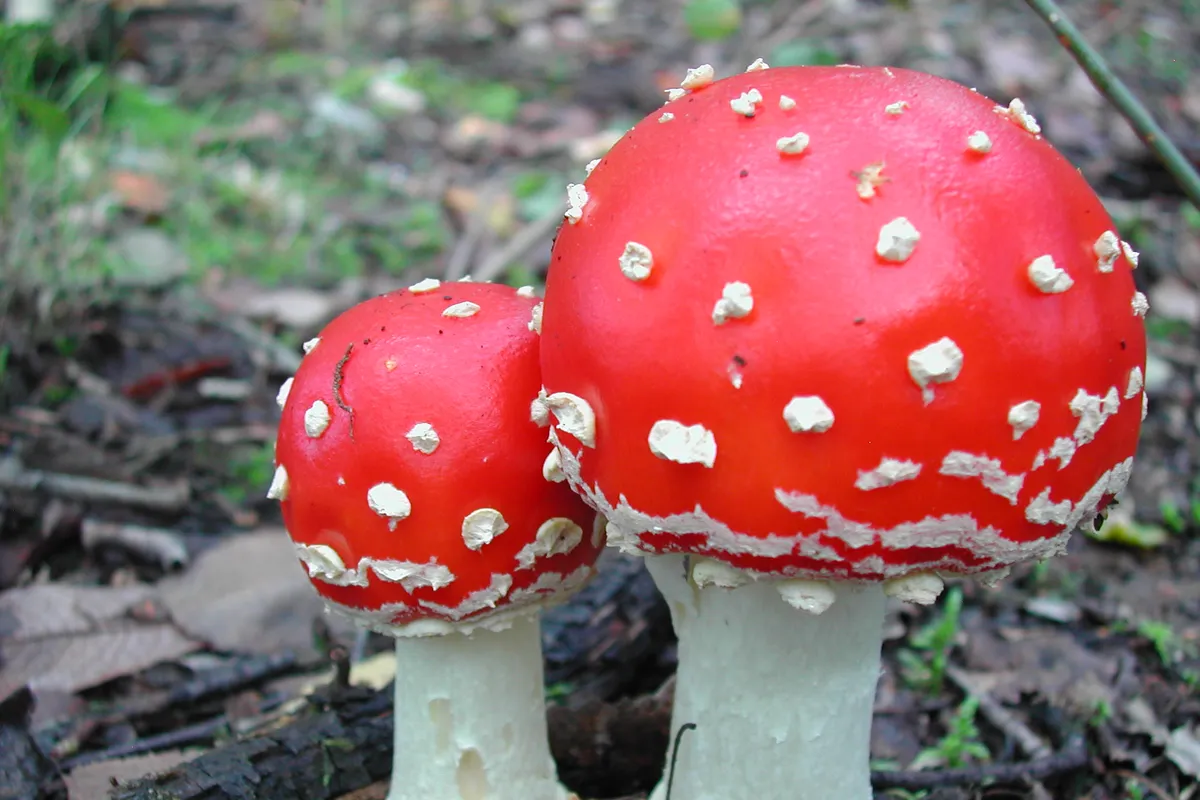
"Moreover, it is the only book in our country that describes each mushroom species in detail, with thorough instructions and the highest quality photographs," emphasizes Professor Križevac. He decided to write the book 20 years ago, and the entire process was extremely demanding. "My goal was to describe each mushroom species in detail, accompanied by quality photos, so that beginners and other nature enthusiasts heading into the forest could more easily distinguish edible from poisonous mushrooms," he explains.
In an era of increasing AI usage, the professor has a clear message. "I do not recommend using AI tools to identify mushrooms," he states firmly. "Despite advanced technology and the growing use of artificial intelligence in everyday life, I advise against using AI tools to determine which mushroom species you have. Instead, always seek advice from an experienced mushroom expert to avoid endangering your health."
The Biggest Misconceptions About Preparing Mushrooms
As a former head chef in the military, Professor Križevac pays special attention to proper heat treatment. "One of the most common misconceptions is that mushrooms should be boiled or stewed for a long time. In my experience, heat treatment should not exceed 15 to 25 minutes," he claims. Longer cooking or stewing makes mushrooms harder to digest, causing digestive issues for many people.
Another major mistake is over-seasoning. "I believe mushrooms should be seasoned as moderately as possible to bring out their natural flavor and aroma. Often, strong spices or cooking cream are added, which masks the taste and smell of the mushroom itself after preparation," he explains.
Blagva, Porcini, and Overlooked Delicacies
Among the most prized edible mushrooms, the professor highlights blagva (Amanita caesarea), porcini, sunčanica (Macrolepiota procera), oyster mushrooms, elm oysters, and puffballs, with a special place for chanterelles, which are excellent for soups and sauces. Still, he does not want to single out the best recipe. "Each recipe is special in its own way, so I cannot say one is better than another. I consider them all equally good."
If he had to choose, he would pick kotlovina (a traditional stew) with yellow foot mushrooms and škriplina (a type of mushroom). "These two mushrooms have an exceptionally rich aroma and full flavor that give the dish a special value." He particularly warns about overlooked species like Judas's ear, a quality mushroom found in autumn and winter, usually on elder trees.
Climate Change Threatens Mushrooms
Professor Križevac warns of a dramatic decline in the number of mushrooms in nature. "Nowadays, due to climate change, we find fewer and fewer mushrooms in the wild." Temperatures above 33 degrees Celsius cause mycelium to die, and above 35 degrees, conditions for growth can no longer be created. Optimal mushroom development requires humidity of about 90 percent and temperatures between 20 and 25 degrees Celsius.
"Observing mushrooms over the last fifteen years, and especially through more than 40 years of mycology, I notice fewer chanterelles, milk caps, maglenke (a type of mushroom), and morels," he says. Besides temperatures, pesticides on large agricultural areas, decreasing rainfall, and longer dry periods are also problematic.
How to Recognize Poisonous Mushrooms
Distinguishing edible from poisonous mushrooms is extremely challenging. The professor warns that sunčanice (parasol mushrooms) often grow in groups where the deadly poisonous death cap can also be found, and chanterelles are easily confused with the poisonous false chanterelle. "I have had cases where people picked death caps and brought them to me for inspection, and I determined they were deadly poisonous mushrooms."
For some mushrooms, there is a way to check: if the mushroom turns yellow when cut or when the cap edge is lifted, it is a poisonous species. "In the forest, you must always be cautious. If you are not sure about a mushroom you have picked, separate each species and place it in a separate paper bag," he advises.
Particularly dangerous are mushrooms where symptoms appear after four to ten hours. "Such mushrooms can be deadly because the toxins start acting only after serious damage has occurred, and sometimes even medicine cannot help." Therefore, it is crucial to seek medical help promptly and bring the mushroom for identification.
The Secret to Vitality in Medicinal Herbs
Besides mushrooms, Professor Križevac's great passion is medicinal herbs. "He collected medicinal herbs, and as a small child, I often went into nature with him, and we picked medicinal herbs together," he recalls going with his father. "I believe that the tinctures and teas I prepare are one of the reasons for my energy, vitality, and well-being," he reveals. "I drink teas made from yarrow, nettle, and yarrow (Achillea millefolium) daily, and recently I have also been using willowherb and horsetail. When I feel a cold coming on, I drink elderflower tea."