HZ Cargo Led by Former Manager of Vujnovac's ENNA
Dragan Marčinko, director of HZ Cargo, worked in the ENNA group before taking the helm of the state-owned carrier, which controls a private competitor with over a fifth of the market.
Dragan Marčinko, director of HZ Cargo, worked in the ENNA group before taking the helm of the state-owned carrier, which controls a private competitor with over a fifth of the market.
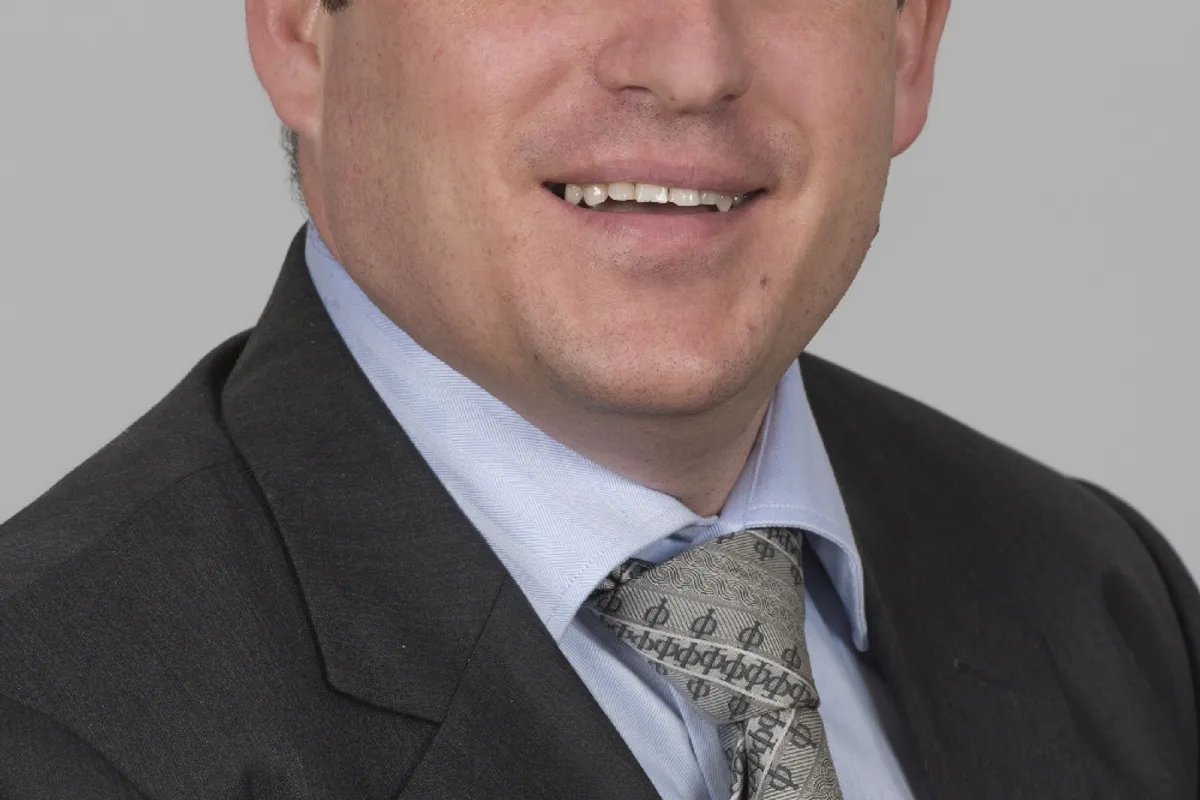
The serious collision between a freight and passenger train near Sveti Ivan Žabno has brought Dragan Marčinko, director of HZ Cargo, into the spotlight. The company is wholly owned by the Republic of Croatia, and Marčinko has held the position since 2020, directly reporting to Minister Oleg Butković, who represents the state in the company's assembly.
One detail from Marčinko's business biography stands out. Before taking the helm of the state railway carrier, he worked in the ENNA group, a business system built around Pavao Vujnovac's First Gas Company, and later led Petrokemija.
It is precisely ENNA that today holds ENNA Transport in its portfolio, one of the largest private rivals to HZ Cargo. The company was formerly known as PPD Transport, and the Ministry of Foreign and European Affairs described it as early as 2017 as Croatia's first private railway cargo carrier and a member of Energia Naturalis, i.e., the ENNA group.
ENNA Transport now controls more than 20 percent of the market share in Croatia, meaning more than a fifth. In other words, before taking the helm of HZ Cargo, Marčinko was employed in a business group that created a private competitor to the state operator.
HZ Cargo's official website emphasizes that its core activity is freight transport, including dangerous goods, and that the goal is to carry out this transport "reliably" and "safely." After the collision near Sveti Ivan Žabno, the issue of safety becomes crucial; if it is determined that the freight train passed a red signal, the investigation must reveal why it did not stop and whether technical and organizational mechanisms could have prevented the accident.
The movement of managers between competing companies is not in itself evidence of wrongdoing. However, this circumstance becomes relevant when it concerns a person managing the largest state railway freight carrier. If it turns out that this was not just a personal error by the train driver but also a systemic failure, responsibility will certainly be sought at the management level.
For the government of Andrej Plenković and Minister Oleg Butković, an uncomfortable question remains: why was a manager who had just worked in the business system of a private competitor appointed to lead HZ Cargo? Such a career does not prove preferential treatment or a conflict of interest, but in the face of serious problems at HZ Cargo, it justifiably raises the question of what criteria the state used to select the management and whether it sufficiently protected the interests of its own company.