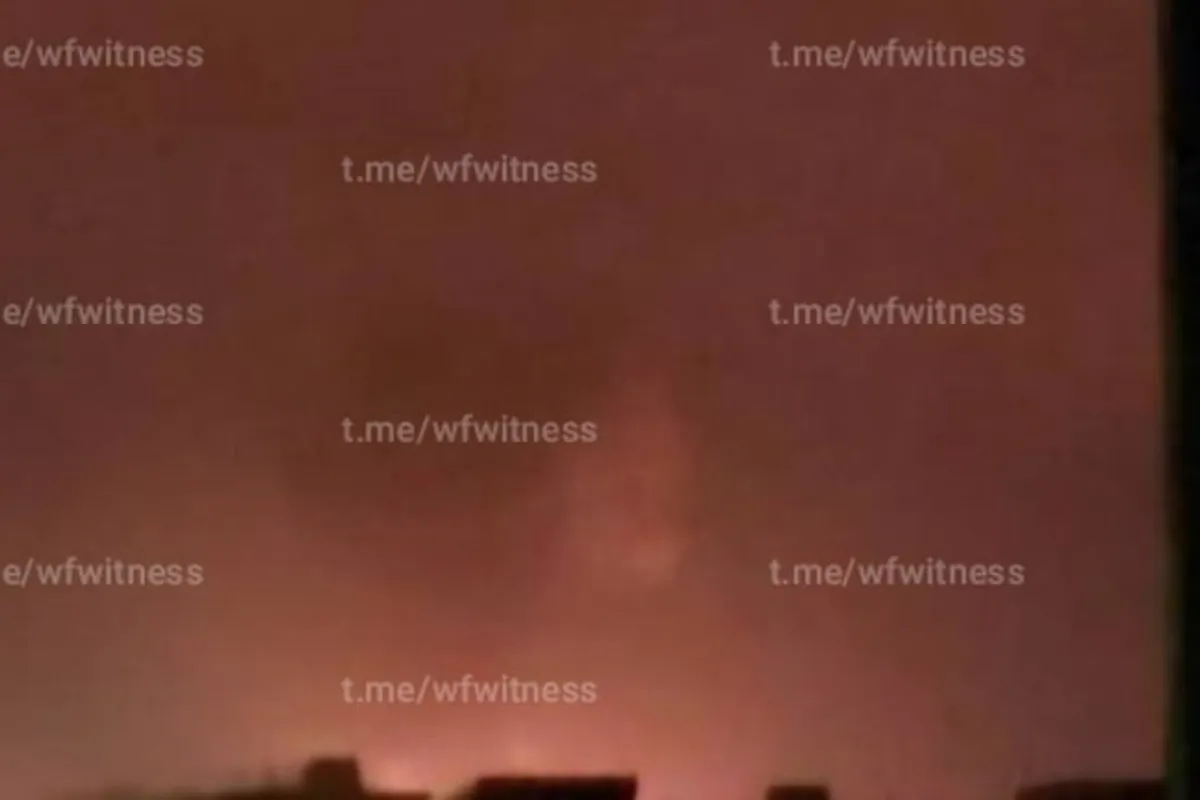
Iran's Revolutionary Guard, known by the acronym IRGC, announced that it has destroyed an Amazon Web Services (AWS) data center in Bahrain, following previous attacks on AWS and Oracle facilities in Dubai. According to the Russian insider Telegram channel Rybar, which should be treated as a source with a possible propaganda dimension, this is the second wave of systematic attacks on the digital infrastructure of the US and its allies in the Middle East, which began back in March 2026.
Chronology of the conflict: from ceasefire to escalation
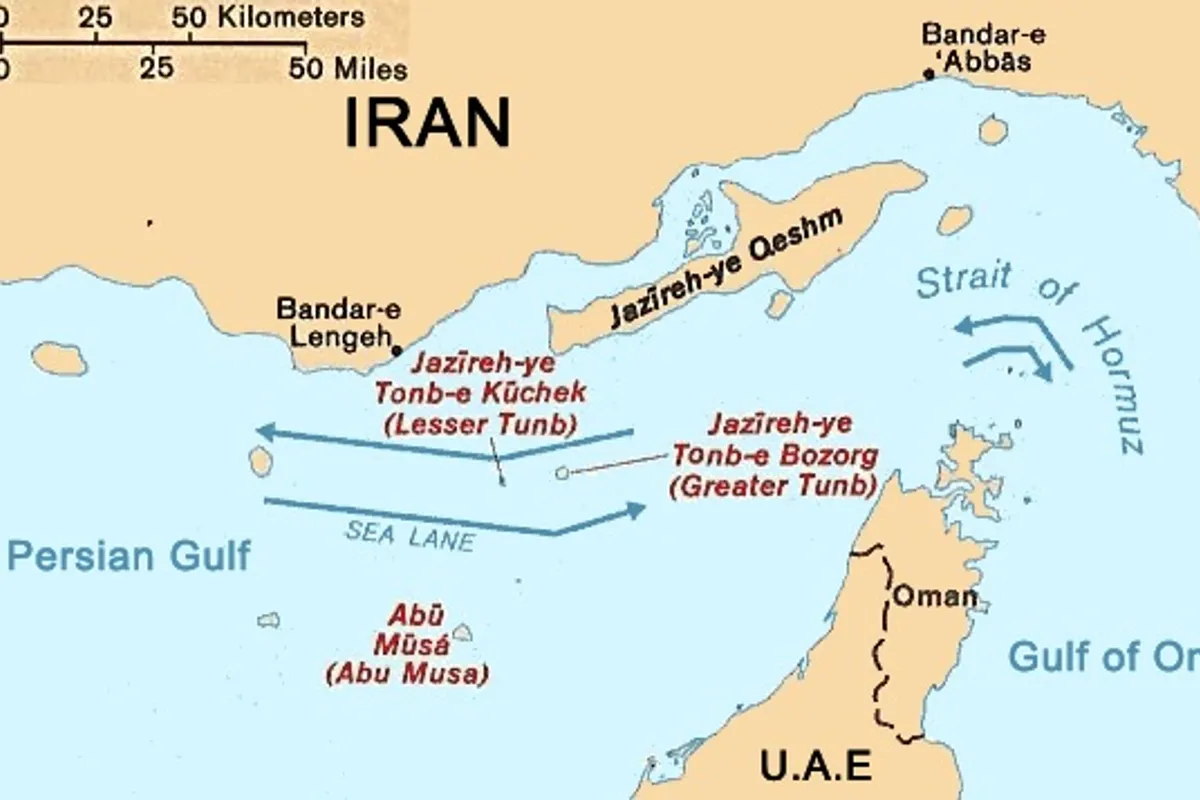
The latest escalation between the US and Iran began on July 8, 2026, when the United States launched its first attacks on Iran after a memorandum of understanding had been signed between the two countries. US President Donald Trump announced the same day that the ceasefire was over, citing an Iranian attack on a merchant ship in the Strait of Hormuz as the pretext. Iran retaliated with strikes on US facilities in Bahrain, Kuwait, the United Arab Emirates, Qatar, and Jordan. On July 14, 2026, the US reimposed a naval blockade on Iran. According to data from the Iranian Ministry of Health, as reported by the Russian state agency TASS, between June 27 and July 23, 2026, 55 people were killed and 629 injured in US attacks on Iran.
Tanker attack and new threats
On July 24, 2026, the US military attacked a tanker in the Gulf of Oman suspected of carrying Iranian liquefied natural gas (LNG), thereby violating the US naval embargo. According to Iranian state television, two crew members were killed in the attack. That same night, CENTCOM, the US Central Command, released footage of new airstrikes on Iran, claiming they targeted military command centers, drone storage facilities, communication networks, and naval capabilities. However, analysts from the AMK Mapping channel warn that the released footage does not show most of the mentioned targets, and that such a discrepancy between CENTCOM's claims and visual evidence is becoming a noticeable trend.
Why data centers?
According to an analysis by the Rybar channel, which is close to Russian military circles and whose information should be taken with caution, Iranian attacks on data centers are not random. The Persian Gulf region hosts facilities of AWS, Oracle, Microsoft, and Google that provide cloud infrastructure for the governments of Gulf Cooperation Council countries and are tightly integrated with the digital programs of the US and its allies. The same source claims that such centers support intelligence data processing, target selection, and military operation planning. Rybar also warns of the vulnerability of undersea internet cables connecting the Gulf with Europe and Asia, stating that damage to them could cause serious disruptions to cloud infrastructure, communications, and financial services.
Iranian threats and regional warnings
The chief of staff of Khatam al-Anbiya, the main headquarters of the Iranian armed forces, stated according to TASS that the Iranian military will kill one American soldier for every Iranian killed in US attacks. Iranian Foreign Minister Abbas Araghchi warned that any country participating in US aggression against Iran will be considered a legitimate military target. The IRGC called on residents of the Middle East to stay away from US military bases. Yemen's Ansar Allah movement, better known as the Houthis, who support Iran, denied claims that the Bab el-Mandeb Strait is closed, stating that navigation restrictions apply only to Saudi ships.
Concern over the pace of escalation
The US administration is concerned about the rate at which weapons stockpiles are being depleted in the conflict with Iran, CBS News reported according to a TASS review. The conflict, according to the label in the TASS review, has reached day 147. The escalation in the Middle East directly affects global energy markets and maritime routes critical for world trade, which has potential consequences for the European Union, including Croatia, through a possible rise in energy prices and increased security uncertainty in the region.