Black Sea Grain Exports Halted, Wheat Prices Surge
Attacks on ships have shut down more than 97 percent of Russia's and Ukraine's export capacity in the Azov-Black Sea basin, driving up global food prices.
Attacks on ships have shut down more than 97 percent of Russia's and Ukraine's export capacity in the Azov-Black Sea basin, driving up global food prices.
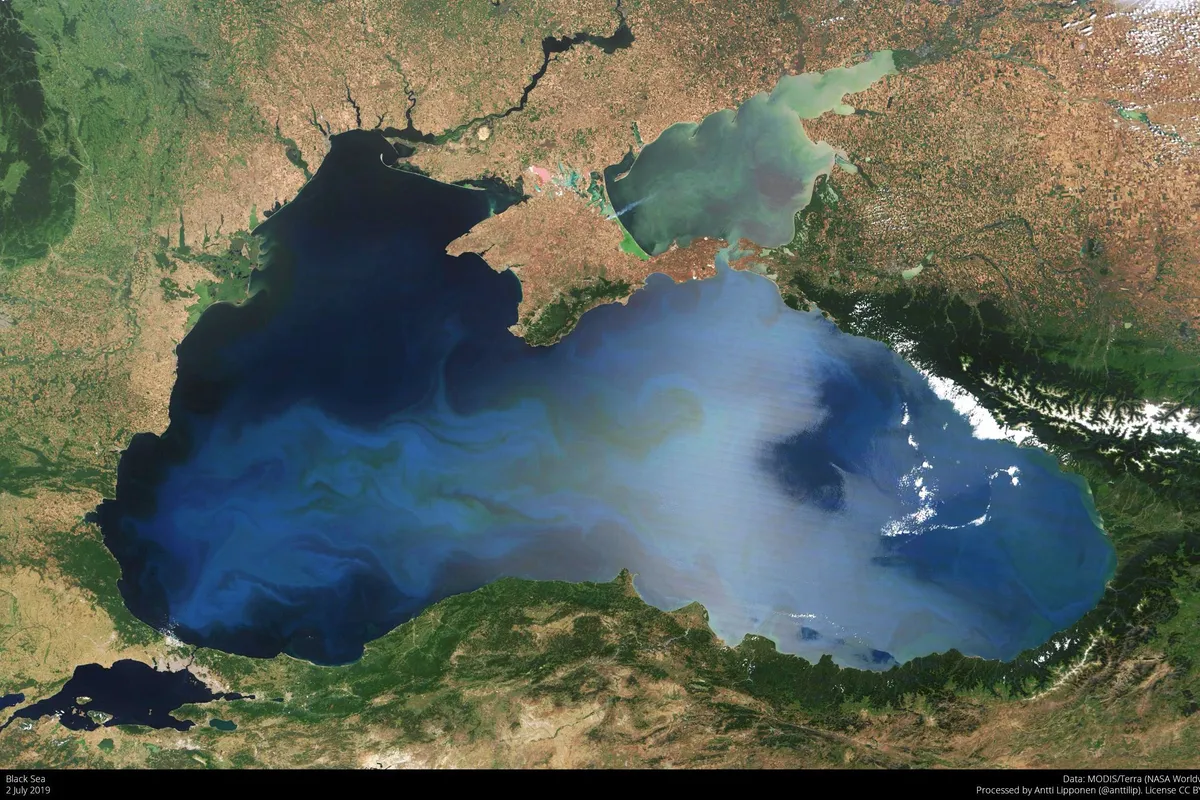
Attacks on ships in the Black Sea have virtually halted grain exports from Russia and Ukraine, two of the world's largest exporters. According to Reuters calculations based on official data and analyst estimates, more than 97 percent of their export capacity in the Azov-Black Sea basin has been shut down.
Last season, Russia and Ukraine together exported an average of 7.2 million metric tons of grain per month from terminals in the region. Currently, there are no shipments from Ukrainian Black Sea terminals, and in Russia, the only terminal not officially closed is a small facility in Tuapse with a capacity of about 160,000 tons per month.
Reuters calculations show that the closure of terminals represents a loss of more than 97 percent of grain export capacity compared to last season. Russia and Ukraine have intensified attacks on ports and ships over the past month, leaving importers in the Middle East, Africa, and Asia facing the prospect of sourcing grain from more expensive suppliers such as Australia and the United States.
Major Russian grain terminals in Novorossiysk, including NZT and NKHP, have been closed following a Ukrainian drone attack. KSK, Russia's largest grain terminal, has suspended grain deliveries and exports, while operations at the Taman terminal have also been halted, according to trading sources.
Analysts at Rusagrotrans, part of Demetra Holding, estimate Russian wheat exports in August at 1.8 million tons, the lowest level for that month since 2010. Several ships loading or preparing to load grain in Russian ports have been hit by drones this week, sources said.
Ukraine's seaports in the Odesa hub practically ceased operations at the end of July 2026. No new ship calls have been recorded since mid-August, Ukrainian Agriculture Minister Taras Vysotskyi said last week.
Ukraine now exports grain via rail links with Eastern Europe and Danube river ports, with each route accounting for about 45 percent of shipments, while the remaining 10 percent is transported by road. "We expect to be able to reach 50 percent of our export potential if the ports remain blocked," Vysotskyi said.
Global wheat prices have risen about 6.5 percent this month and are now roughly 30 percent higher than a year ago. Although large inventories and better harvests allow importers to delay purchases, traders note that pressure to secure supplies is mounting as there are no signs of de-escalation in the Black Sea region.
"Currently, civilian maritime traffic in the Black Sea is practically halted," said Yevgeny Karabanov, head of the analytical committee of the Grain Union of Kazakhstan, which also exports grain through Russian ports.
Russia can redirect some exports through Baltic, Caspian, and Far Eastern ports, but longer transport distances are likely to create logistical challenges and increase costs.