Adriatic Sinking into Plastic: 2,000 Tons of Waste, Microplastics in 90% of Salt
Pollution, overfishing, and tourist pressure threaten one of the world's most indented seas, with only 5% of territorial waters protected.
Pollution, overfishing, and tourist pressure threaten one of the world's most indented seas, with only 5% of territorial waters protected.
The Adriatic Sea, the northernmost gulf of the Mediterranean, faces growing environmental challenges that threaten its biodiversity and economic value. Croatia's coastline, stretching 1,777 kilometers with 1,246 islands, ranks among the world's most indented, but it is precisely this beauty that attracts pressures increasingly difficult to control.
According to available data, more than 2,000 tons of plastic waste float in the Adriatic, and microplastics have been found in as much as 90% of sea salt samples. Pollution from land, including agricultural runoff and municipal wastewater, is the main cause of eutrophication and algal blooms in coastal areas.
Croatian fisheries catch around 50,000 tons of fish annually, dominated by sardines, anchovies, and hake. Stocks are declining due to overfishing and climate change, which have raised sea temperatures by 0.5 degrees Celsius over the past 20 years and increased acidity. This directly threatens coral reefs and fish populations.
Tourism, which generates over 20% of Croatia's GDP, brings more than 20 million visitors to the coast each summer. This pressure further burdens the marine ecosystem, alongside traditional activities such as shipping and maritime transport. Rijeka is Croatia's largest port, and Dubrovnik recorded over 600 cruise ship calls per year before the pandemic.
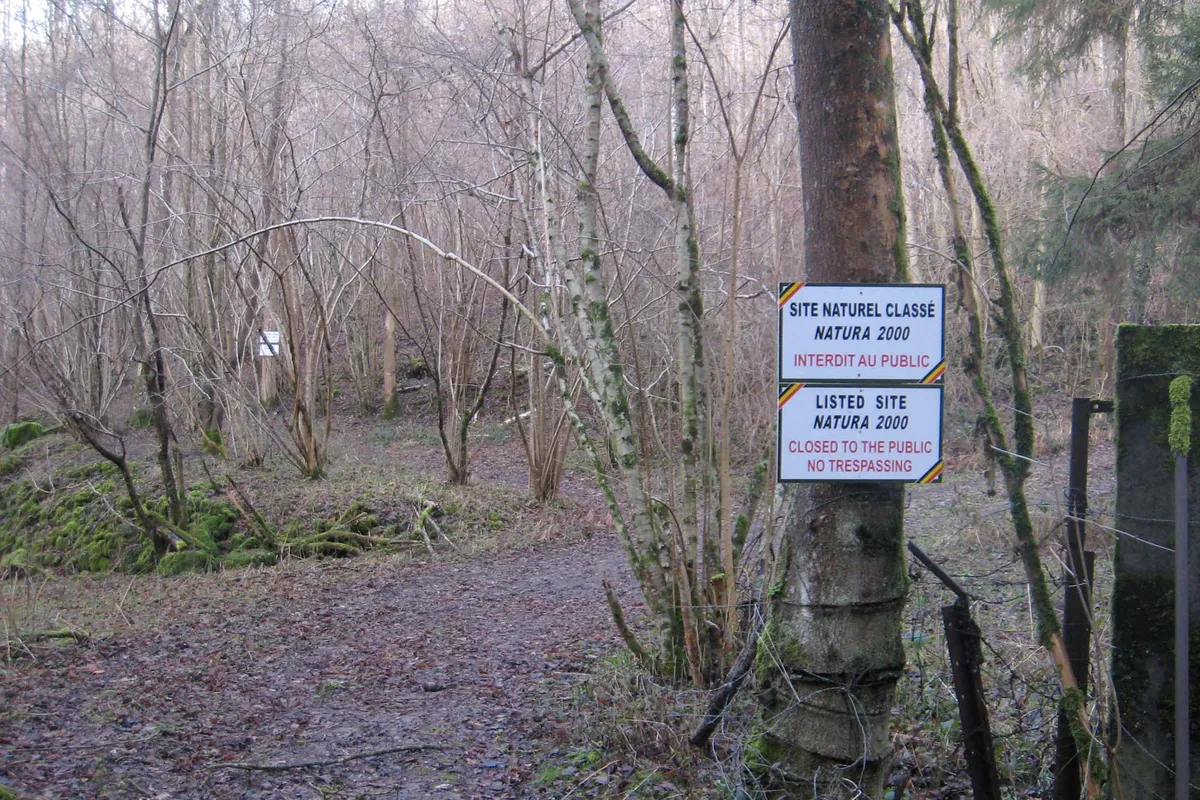
The Adriatic is home to more than 7,000 plant and animal species, including protected ones like the bottlenose dolphin and loggerhead sea turtle. In 2021, Croatia declared five marine protected areas under the Natura 2000 network, yet only 5% of territorial waters enjoy some form of protection.
Aquaculture, especially the farming of sea bass and gilthead seabream, is growing but creates problems with waste and antibiotics. Experts warn that a comprehensive marine protection strategy is lacking to balance economic interests and ecosystem conservation.