How to Reduce Salt Intake and Naturally Lower Blood Pressure
Excessive salt intake, often hidden in processed foods, can lead to fluid retention and high blood pressure, warns Klix.ba.
Excessive salt intake, often hidden in processed foods, can lead to fluid retention and high blood pressure, warns Klix.ba.
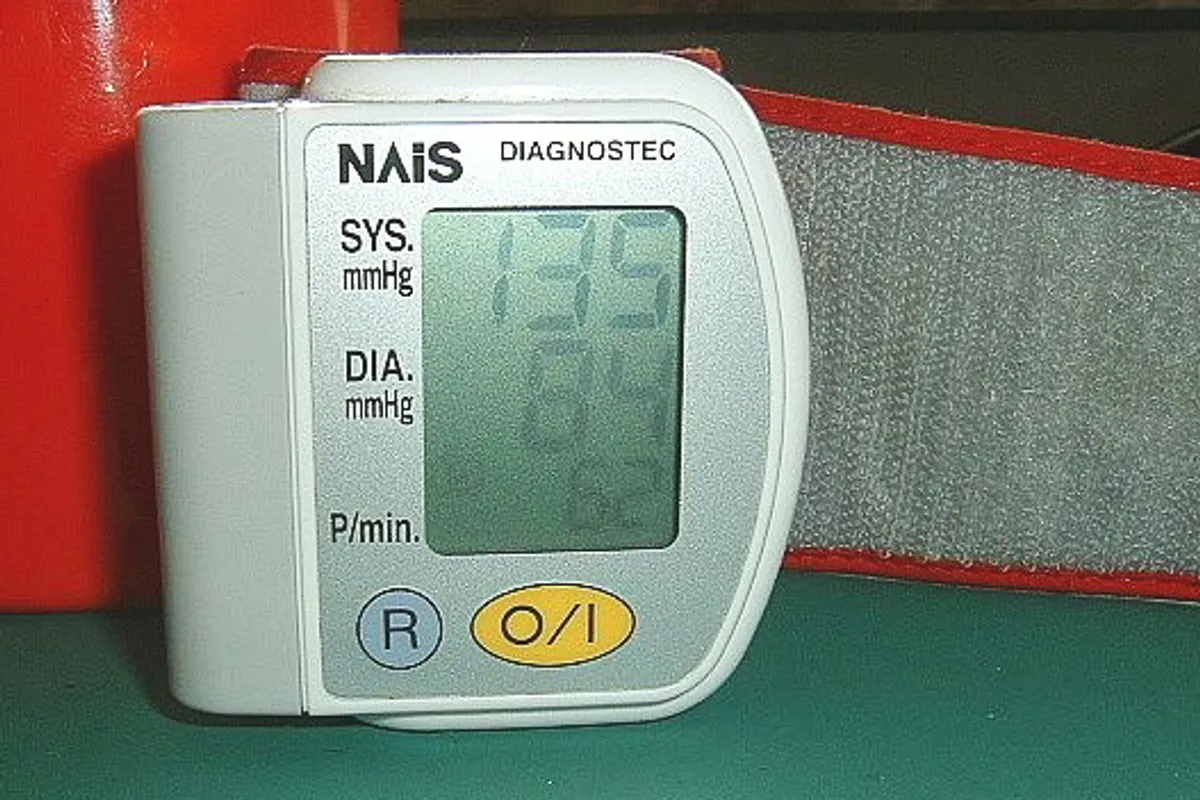
Blood pressure below 120/80 mmHg is considered normal. The systolic value, which is the top number, reflects the pressure in the arteries while the heart pumps blood, while the diastolic value, the bottom number, indicates the pressure between beats. When these values remain elevated over time, the likelihood of stroke, heart disease, kidney damage, and vision problems increases.
One habit that deserves special attention is salt consumption. Although it may not seem like you're consuming a lot, salt is present in many foods we eat daily, especially in ready-made and processed products. Excessive salt can cause fluid retention in the body, which can contribute to a rise in blood pressure.
Higher amounts of salt are often found in instant soups, ready-made meals, cured meats, snacks, and various sauces. It's possible to reduce the amount of salt in your diet in a simple way. Instead of adding extra salt, you can enhance your dishes with garlic, herbs, and other spices.
When shopping for groceries, it's helpful to read the label and check the salt content in the product. This makes it easier to track the total amount you consume throughout the day.
Foods rich in potassium can also be an important part of your diet. Potassium helps the body get rid of excess sodium and can also contribute to relaxing blood vessels. Potassium can be found in many foods such as fruits and vegetables, as well as in lentils, beans, soybeans, potatoes, spinach, prunes, bananas, apricots, nuts, and low-fat dairy products.
Therefore, it's advisable to eat a variety of fruits and vegetables throughout the day to ensure your body gets an adequate supply of minerals and other nutrients. Preparing meals at home more often can help regulate the amount of salt you consume. Restaurant food and ready-made meals typically have more salt, whereas at home, you have the option to determine how much of each ingredient you use.
Foods like fruits, vegetables, legumes, whole grains, fresh meat, and fish naturally contain small amounts of salt. When eating out, choose simpler dishes that are boiled, baked, or steamed, with a side of vegetables. Sauces and various condiments often contain a lot of salt, so it's best to ask for them on the side.
Small changes in your daily diet can be a useful step in managing your blood pressure. Reducing salt, increasing potassium intake through food, and cooking at home more often are simple ways to better control your daily intake.