Chronic Fatigue and Dizziness: When a Slow Heartbeat Requires Medical Attention
Sinus bradycardia is often harmless, especially in athletes, but it can also signal more serious issues. Here's when a slow heartbeat requires medical attention.
Sinus bradycardia is often harmless, especially in athletes, but it can also signal more serious issues. Here's when a slow heartbeat requires medical attention.
Sinus bradycardia, a condition in which an adult's resting heart rate drops below 60 beats per minute, often goes unnoticed. While many people ignore this slow rhythm or attribute it to fatigue, sometimes it hides symptoms that significantly impair quality of life and require medical intervention.
The very name of the condition reveals its core. "Sinus" refers to the sinoatrial (SA) node, the heart's natural pacemaker located in the right atrium, which generates impulses for each heartbeat. "Bradycardia" comes from Greek words meaning "slow heart." So, the heart beats slower than usual, but the rhythm still originates from the correct source, which in many cases makes this phenomenon completely benign.
Most people with this diagnosis have no symptoms and discover their condition by chance during a routine check-up. Problems arise when the heart fails to supply the body with enough oxygen-rich blood.
When symptoms do appear, they can be quite varied. The most common include chronic fatigue, general weakness, and lack of energy. People often complain of dizziness or lightheadedness, especially upon sudden standing. Additionally, shortness of breath, reduced exercise tolerance, and chest pain may occur. In severe cases, when the brain doesn't receive enough oxygen, confusion, memory problems, and even fainting (syncope) or a feeling of impending loss of consciousness can occur.
Causes are divided into physiological and pathological. Physiological bradycardia is a normal finding in people in excellent physical condition, such as athletes, whose hearts pump blood more efficiently, and during deep sleep. In contrast, causes stemming from disease can be quite diverse. A key factor is aging, as the heart's electrical system degenerates over the years, making the condition more common in people over 65.
Various heart diseases, such as damage after a heart attack, inflammation of the heart muscle (myocarditis), or congenital defects, can impair the function of the sinus node. However, a slow heart rate can also be caused by conditions not directly related to the heart: reduced thyroid function (hypothyroidism), electrolyte imbalances in the blood, sleep apnea, and certain infections. Additionally, the influence of medications, especially beta-blockers, which often lead to a decreased heart rate, should not be overlooked.
Because signs are often barely noticeable or absent altogether, bradycardia is frequently discovered incidentally. An electrocardiogram (ECG) is the key diagnostic tool because it records the heart's electrical signals and confirms that the rhythm is slow but regular. If the patient has symptoms, the doctor must determine their cause. Additional methods are used for this, such as a 24-hour Holter monitor, a portable device for tracking the heart during daily activities. Blood tests are also essential to check thyroid function, electrolyte levels, and to rule out damage to the heart muscle. Occasionally, an exercise stress test (ergometry) is performed to see how the heart responds to physical activity.
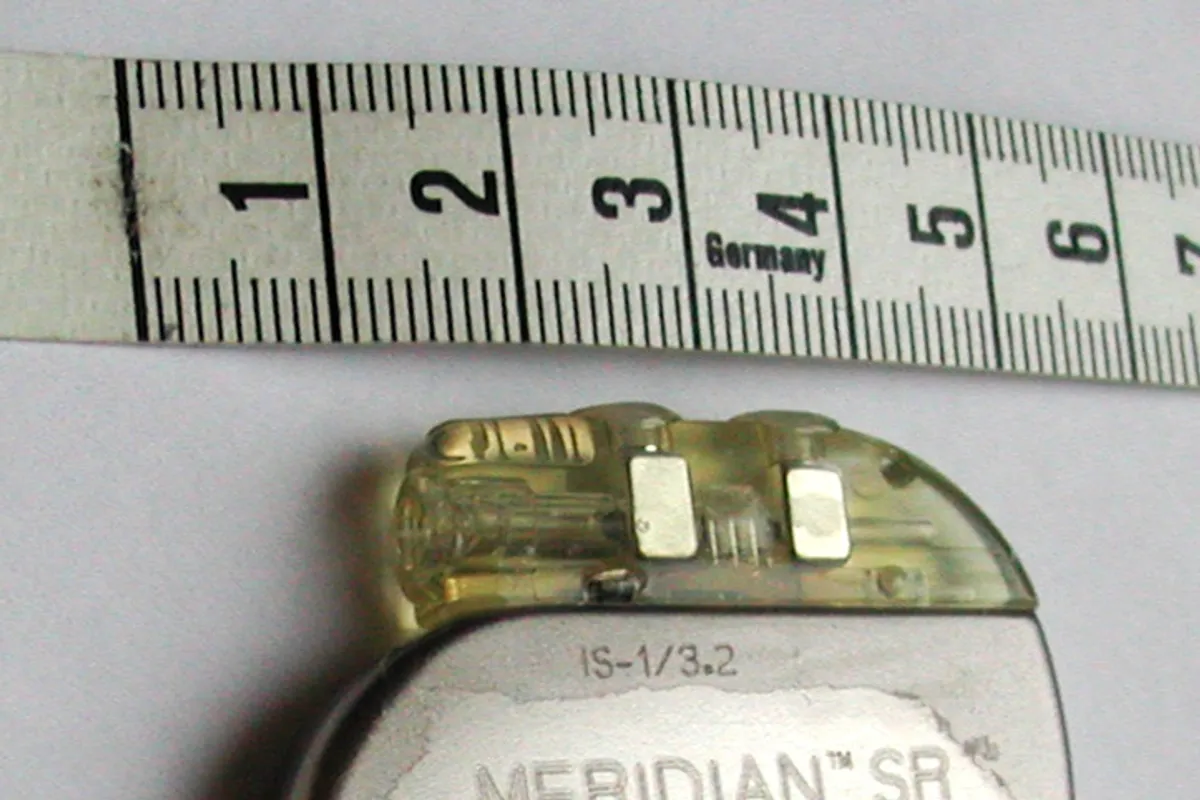
The treatment approach depends entirely on whether the bradycardia causes symptoms. If a person is physically active and has no complaints, no therapy is needed. For symptomatic patients, the first step is to address the underlying cause, which may involve adjusting medication, treating thyroid issues, or correcting electrolyte imbalances. For a permanent solution to chronic, symptomatic bradycardia, the best approach is the implantation of a cardiac pacemaker. This small device is placed under the skin and sends electrical signals to the heart, preventing the heart rate from dropping too low. A pacemaker can last more than ten years, allowing patients to return to an active life, as reported by Ordinacija.hr.