Bread That Contains Almost Everything a Person Needs
White spelt bread, following the advice of St. Hildegard and the baking secrets of the Binz family mill and Hildegard's healing center, provides an abundance of nutrients and a good mood.
White spelt bread, following the advice of St. Hildegard and the baking secrets of the Binz family mill and Hildegard's healing center, provides an abundance of nutrients and a good mood.
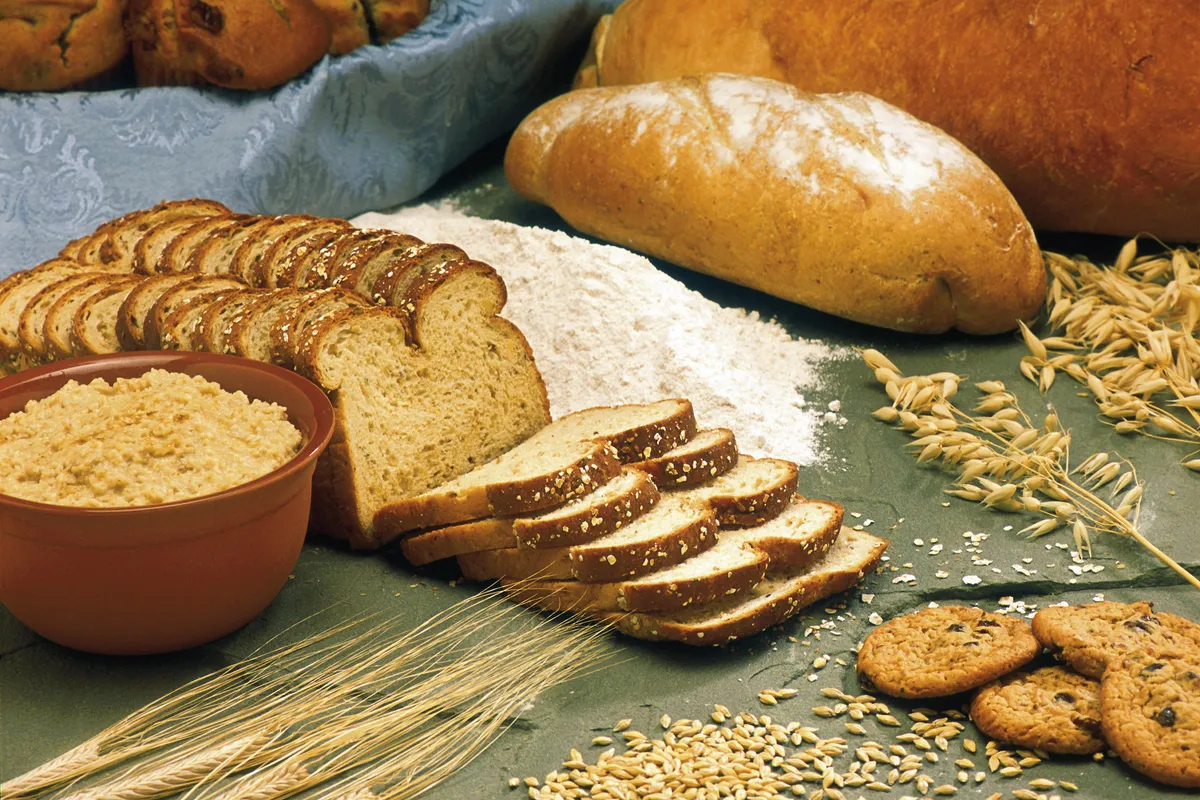
Spelt is a grain that has been valued for centuries for its exceptional nutritional properties, and St. Hildegard of Bingen, author of the book 'Physica', wrote: "Spelt creates good blood, strengthens muscle growth, and gives a good mood...". Today, this ancient recipe is returning to modern kitchens, and as Bitno.net reports, the spelt grain contains almost everything a person needs for life: high-quality proteins, carbohydrates that provide strength, a small amount of good fats, numerous vital vitamins, and all the minerals and trace elements needed to build strong and healthy bones.
Thanks to this abundance of minerals, spelt is considered the most alkaline grain, constantly neutralizing the acidic metabolism caused by stress. The soluble and insoluble fibers in spelt are the best food for a healthy intestinal flora, which strengthens the immune system and maintains overall health. Expert in Hildegard medicine Wighard Strehlow, author of the book 'St. Hildegard and Food as Medicine', shares precious baking secrets from the Binz family mill and Hildegard's healing center, with a guarantee of success.
For success and health, it is important to use true old spelt varieties "without wheat" and spelt grown organically, without the use of chemical agents. Only spelt grown with plant-based means or with minimal use of manure and slurry has good baking properties. If you grind and bake spelt yourself, you can enjoy it even more because you know exactly what is inside.
To prepare it, you will need the following ingredients: 1 kg of spelt flour type 630, about 600 ml of water, 20 g of fresh yeast, and 20 g of rock salt. All ingredients should be at room temperature. Sift the flour into a bowl and make a well in the center. Dissolve the yeast in a little lukewarm water and slowly pour it into the well, then mix with a little flour until a liquid dough forms. Never add salt or fat to the initial dough.
Leave the bowl with the initial dough to stand for about 20 minutes in a warm place. Then gradually add the water and salt, and knead into a smooth dough until it completely separates from your hands. Cover the dough and let it rise for 30 minutes in a warm place, but not in the oven, until it doubles in size. Then knead it once more and let it rise for 20 minutes.
Divide the dough into pieces and shape as desired, place it in a greased loaf pan dusted with flour, and then onto a baking sheet. Cover and let it rise once more for about 15 minutes. Preheat the oven to 250°C. Place the bread in the preheated oven, and score the dough in the pan. If desired, place a heatproof dish with water in the oven. After 10 minutes, reduce the temperature to 200°C and bake until done. For two loaves of this size, the baking time is about 45 minutes.
The recipe is taken from the work of Wighard Strehlow titled 'St. Hildegard and Food as Medicine', and the publisher's permission to reproduce the text is exclusive and valid solely for the portal Bitno.net.