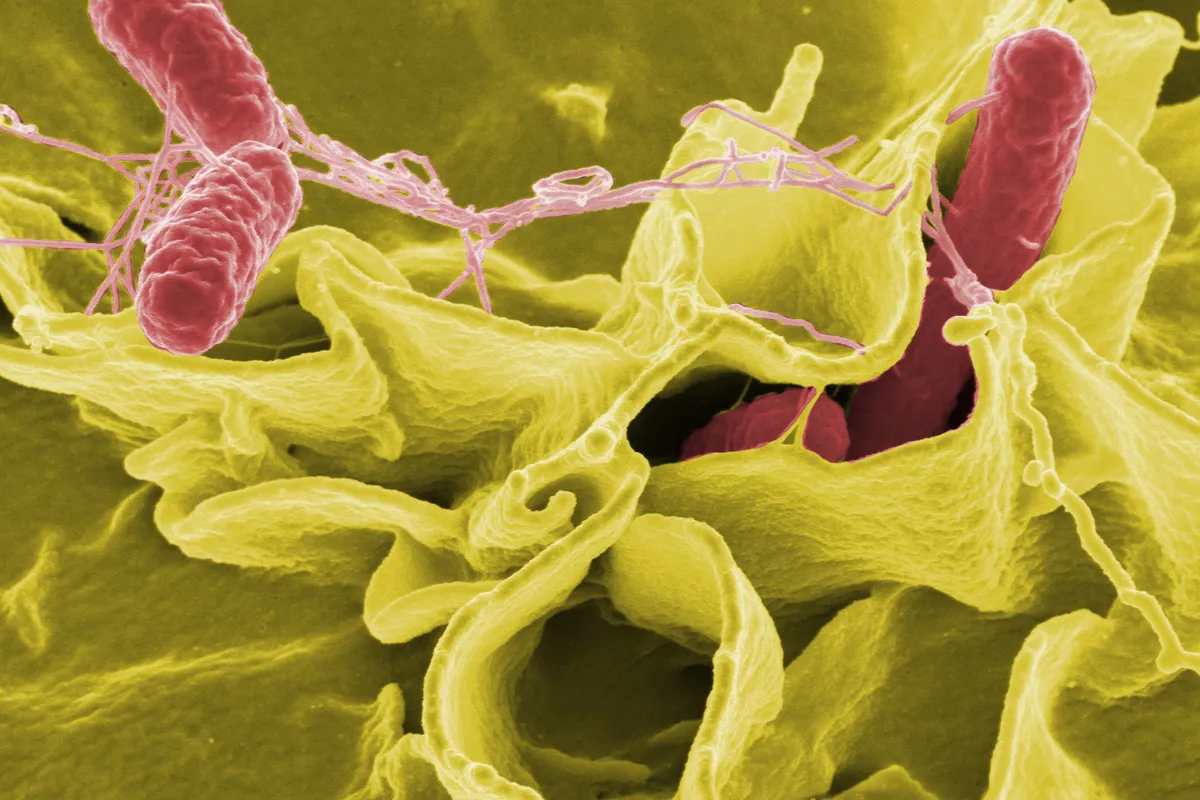
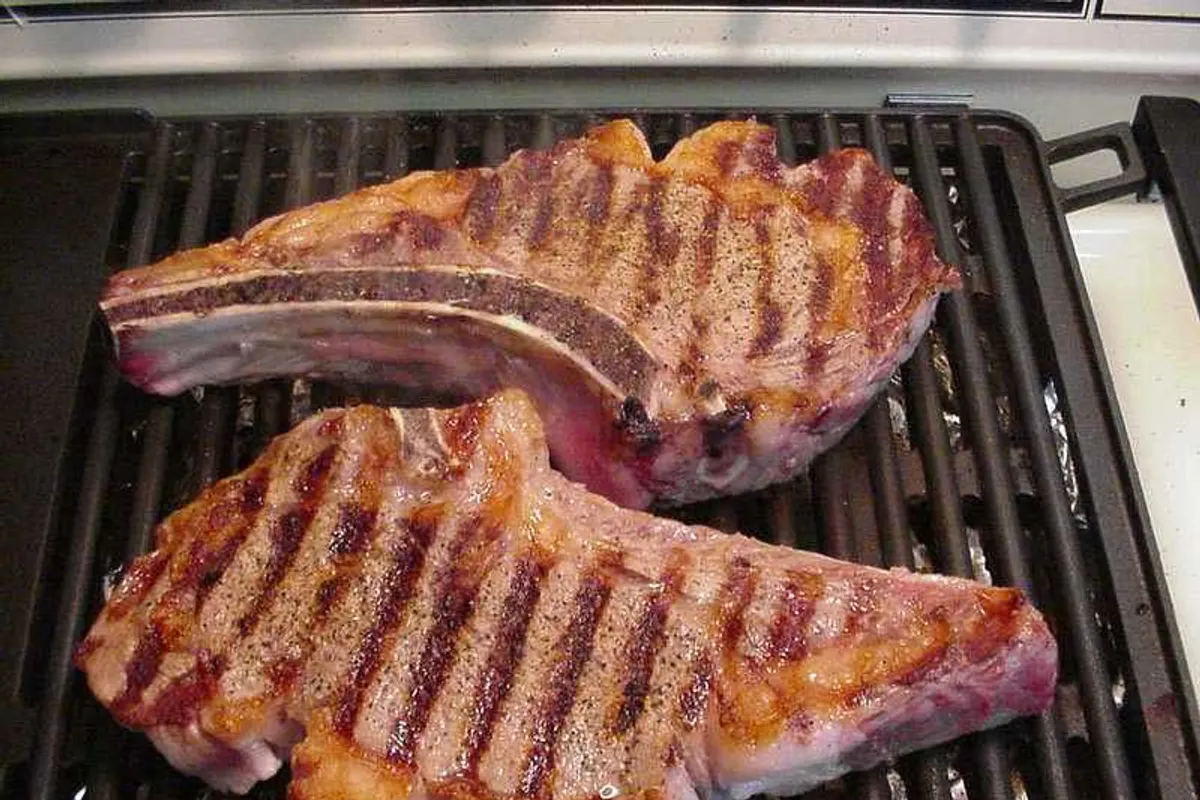
With the arrival of summer heat and the start of grilling season, the risk of food poisoning rises significantly. This warning comes from Dr. Renata Hlaj, a specialist in epidemiology and head of the Epidemiology Service at the Karlovac County Public Health Institute, who points out that the surge in intestinal infections is driven by a combination of high temperatures, improper meat preparation, and poor food storage.
According to data from the Karlovac County Public Health Institute, 15 cases of salmonellosis were recorded in the first seven months of this year. Particularly concerning is that 11 of those 15 cases occurred during June and July, confirming the seasonal nature of this dangerous bacterium.
The Grill as the Main Culprit
Dr. Hlaj emphasizes that the grill is the most common source of trouble. "Salmonella thrives at higher temperatures. It is most often found in poultry meat, and ground meat is especially vulnerable. During the summer, we see the most problems from grilling because people are impatient and don't cook chicken, ćevapi, or pljeskavica thoroughly," she said for Trend Karlovac.
Beyond preparation itself, what happens to food after the meal is also crucial. "Additionally, food that isn't eaten right away shouldn't sit out in the heat for more than two hours; it needs to be put in the fridge," the epidemiologist added.
An Invisible Threat: Campylobacter
While salmonella is well known to the public, Dr. Hlaj warns of an even more common but less recognized cause of food poisoning. In the same period, as many as 94 cases of Campylobacter infection were recorded in Karlovac County.
"Campylobacter is a bacterium most people haven't even heard of, and it's transmitted the same way as salmonella-through undercooked food, most often chicken and turkey. The symptoms are very similar, involving diarrhea, abdominal pain, and fever."
Misleading Symptoms and Incubation
One of the most common mistakes people make is incorrectly linking symptoms to their last meal. Dr. Hlaj explains that the incubation period can be deceptively long. "With salmonella, at least 12 hours must pass from consuming contaminated food to the onset of symptoms, and it can take up to 72 hours. With Campylobacter, incubation lasts from two to six days," she said.
If symptoms such as diarrhea, abdominal pain, and fever appear, the advice is clear: "If symptoms occur, you should contact your family doctor, who will refer you for further testing if necessary."