Oil Rises for Fourth Day: Strait of Hormuz Slows Traffic
Brent crosses $91, WTI $85 per barrel. Tensions between Iran and the US, along with an attack on a cargo ship, keep the market in uncertainty.
Brent crosses $91, WTI $85 per barrel. Tensions between Iran and the US, along with an attack on a cargo ship, keep the market in uncertainty.
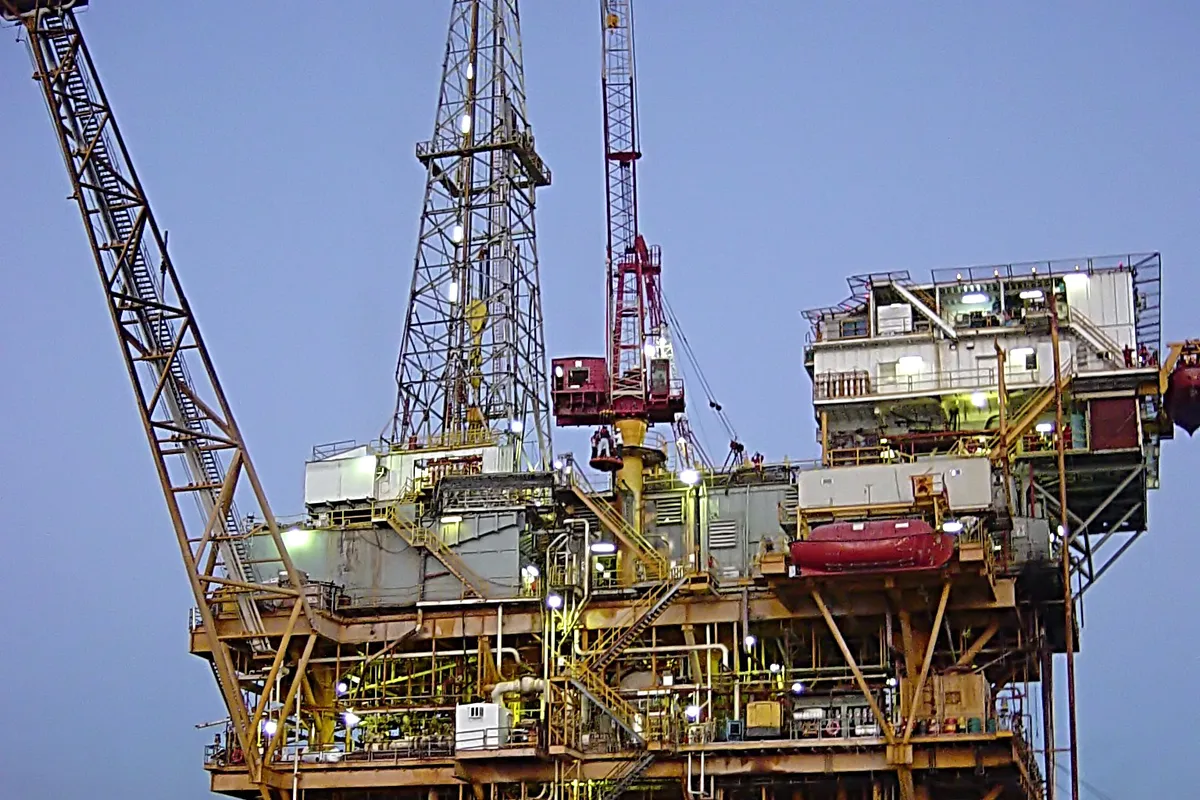
Crude oil prices have been rising for a fourth consecutive day on global markets, with the situation in the Strait of Hormuz adding to concerns. Tanker tracking data shows that traffic through the strategic waterway has slowed further, while tensions between Iran and the US escalate. Both sides appear unwilling to return to negotiations, reports Financije.hr.
Brent crude is currently trading at $91.53 per barrel, while US WTI crude has reached $85.47. This price increase continues a trend that began after the June ceasefire agreement between Washington and Tehran was violated in early July.
While US President Donald Trump insists the Strait of Hormuz is open, Iran maintains it is closed. Tanker data showing vessels moving away from the narrow passage in recent days seems to support Iran's claims. On Tuesday, a new incident was reported, a cargo ship was allegedly struck by an "unknown projectile during transit of the Strait of Hormuz," according to the UK Maritime Trade Operations.
Although oil prices have eased slightly from their highs, Brent remains above $91, reaching its highest level since late June. "Confidence in safe passage remains low, and shipping volumes are well below normal levels," warns Tim Waterer, chief market analyst at KCM, adding that geopolitical risk is being priced in due to uncertainty.
June Goh, senior oil analyst at Sparta Commodities, notes: "Shipping risks are rising again as Iranian and Houthi attacks continue to dominate both key chokepoints, keeping oil prices elevated in the near term." She adds that "Gulf producers are finding alternative export routes to bring oil into the Gulf of Oman. If sustainable, this could help boost halted production by these two producers."
Ahmad Assiri of brokerage Pepperstone believes prices could return to triple digits. "Commercial shipping through the Strait of Hormuz remains almost completely disrupted, while disagreements over maritime traffic management conditions remain unresolved," Assiri said.
ING's commodities team said on Tuesday that "Saudi Arabia is reportedly offering crude cargoes from locations off the coast of Oman, signaling efforts to expand export routes beyond the Gulf. Saudi Aramco is selling Arab Medium and Arab Heavy crude via ship-to-ship transfers at terminals, including Sohar."
Meanwhile, the Iraqi government has approved a mechanism for oil exports through specialized international and domestic companies via several export channels. Contracts under the new mechanism will last three months, starting September 1, according to a statement after the cabinet meeting.
Before US-Israeli strikes on Iran began in late February, about one-fifth of the world's oil and liquefied natural gas supplies passed through the Strait of Hormuz daily. Disruptions to shipping along this strategic route remain a major concern for energy markets, with oil shipments from western Russian ports falling to about 2.3 million barrels in the first half of August.