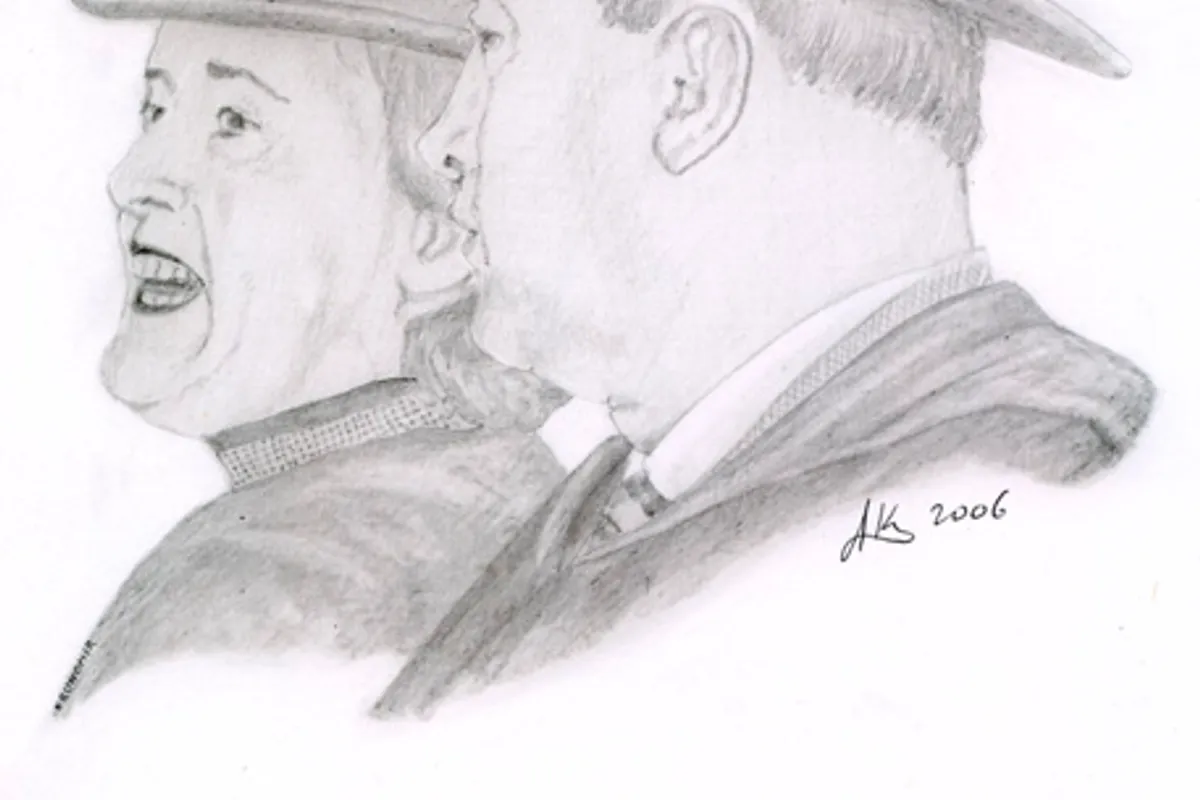
On the eve of the anniversary of her death, the Croatian public remembers Nela Eržišnik, a comedian loved by generations through her characters Tetka Ikača and Marica Hrdalo. She passed away in August 2007 and was buried in the cemetery in Volosko near Opatija. Her memoirs 'My Three Lives,' published by Naklada Pavičić, reveal a sharp observer of society who did not shy away from political topics.
She was born as Nevenka Maras in June 1922 in Banja Luka, to the family of Matilda and Ivan Maras. After high school, she worked as a postal clerk, and after the war, she graduated from the National Acting School in Zagreb. During her studies, she occasionally performed at the Croatian National Theatre in Zagreb, and afterwards joined a theatre founded by Branko Gavella.
From Stage to Radio Sketches
She performed in productions of 'Lysistrata,' 'Dundo Maroje,' and 'The Chairs,' but is especially remembered for her role in 'The Minister's Wife' based on Branislav Nušić's play. That production was pulled from the repertoire despite being sold out, because Nela 'with her inadmissible improvisations disfigured the perfect Nušić, the Serbian language, and culture.' Due to these accusations, she hired a lawyer and won the court case, but as the saying goes, 'the operation was successful, but the patient died,' because the play was nevertheless cancelled.
She also recalled an anecdote from the play 'King Betajnova' by Ivan Cankar, when a student in the audience loudly passed gas. The lead actor Emil Kutijaro then shouted, 'You pigs! Swine! Did you come to the theatre to fart? Shame on you!' The performance was interrupted, and the students happily left, passing gas along the way. A review soon appeared in Borba criticizing Kutijaro for calling Tito's youth pigs. 'It was a performance, not a performance,' Nela joked (a play on words from the source).
She also appeared in films such as 'Master of His Own Body,' 'The Gray Gull,' and 'Concert,' but her greatest popularity came from the role of Marica Hrdalo, a character developed in humorous radio shows on Radio Zagreb. She wrote the sketches herself.
Trust in the Audience and Love of Laughter
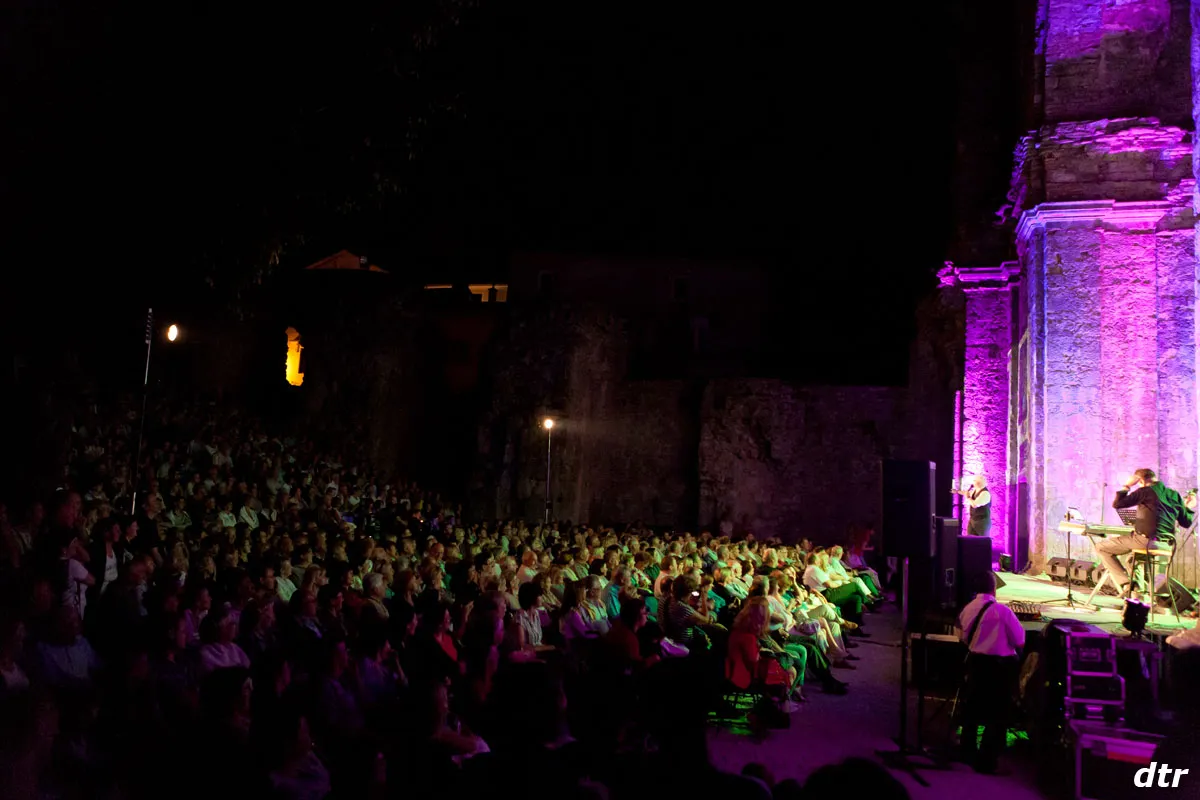
In her memoirs, she described an unusual relationship with the audience: 'As a variety comedian, I made people laugh-those little people who came precisely to escape something that troubled and weighed on them, to brighten their lives, even if briefly. I often laughed with them, but it is very difficult to describe and explain that I, tasked with laughter that was paid for in advance, laughed even more than they did, as if I had paid myself. Simply, during one of my performances, something would happen in the atmosphere that I cannot say I artificially created, but I identified with those hundreds or thousands of needs and desires for laughter, and that was the incredible part.'
Political Engagement Through Humor
Her performances were infused with a Croatian 'not very openly expressed national charge,' but with messages understood by those who wanted to understand, especially during the Croatian Spring. On caution in communist Yugoslavia, she wrote: 'While telling jokes and bringing my audience to uproarious laughter, I still had to be careful not to let something slip that would offend Serbs, Muslims, Montenegrins, or... or rather, those who decided in their name. Only Slovenes never took offense. But we had at our disposal the entire vast capitalist world that we could mock as much and as we wanted.'
On the creation of the second Yugoslavia in 1945, she wrote without reservation: 'In 1945, before my eyes, the second Yugoslavia was created, grew, and lasted. I did not know that I would live forty-five years in that Balkan-flavored, Versailles creation with the sign of the red star, whose leader and president was the self-proclaimed Marshal Tito, who, with communist ideology, soon found common ground with America when he lost it with the Russians, received large loans, and managed to keep his six republics and peoples of different faiths, customs, languages, and cultures together, or rather in check-in one state.'
Faith in the New Croatia
Reflecting on the creation of independent Croatia, she wrote: 'The new Croatia truly rose from the ashes like a Phoenix, and that from the ashes of the burned first NDH, but even more from the ashes of burned communism and communist Yugoslavia. The Yugoslavism burned out as a force, burned out as a need, disappeared to ashes as a presence and a heavy burden.'
She described her vision of Tuđman's Croatia with these words: 'I experienced Tuđman's Croatia-democratic, true, independent by hook or by crook, our Beautiful Homeland-not as a continuation of that first and unfortunate NDH, but of that ancient Croatia of King Tomislav, because my dream of the happiness of the Croatian people rested solely on-complete Croatian freedom.'
However, she sadly concluded that after the death of Dr. Franjo Tuđman, 'little by little, by some miracle, in their own peculiar way,' communists again appeared at the helm of 'a Croatia ruined by war, crippled, and humiliated in every way.' 'Perhaps, more precisely-they never disappeared!' she added.