In the wider center of Zagreb, on the edge of Maksimir Forest, lies the Hiperion Zagreb Equestrian Club. Its grounds are dominated by a stable that is about 150 years old, and among the club's founders 37 years ago was a young doctor at the time, now a distinguished professor, Zdravka Poljaković Skurić (62). A specialist in neurology and subspecialist in intensive care medicine, head of the Department of Intensive Neurology and Cerebrovascular Diseases at Zagreb University Hospital Center, and president of the Croatian Neurological Society of the Croatian Medical Association, she revealed in an interview with Gloria how her love for horses became her life's calling and a noble mission.
Although life's circumstances temporarily took her away from Hiperion, for the past ten years she has been back, thanks to spouses Pascal Renard and head trainer Mirjana Renard. At the club, she is surrounded by her beautiful horses: the white mare Fya and a beauty with a French name, Vertige d'Amour.
'A True Gentle Soul of 500 Kilograms of Muscle'
Describing her pets, the neurologist does not hide her enthusiasm. She says of Fya that she is "an interesting creature, a truly moody female being with a huge heart when it comes to jumps-there is no jump she didn't want or couldn't perform, but with an equally huge personality." Today, Fya is in sporting retirement, and Zdravka rides Vertige d'Amour in show jumping, a French-bred horse that jumped in major international competitions with his first owner. "He is also very sensitive and a bit more delicate than Fya, a true gentle soul of 500 kilograms of muscle," she adds.
Despite numerous hospital obligations, she finds time for her passion three to four times a week. She admits that owning a horse is financially demanding, but the unconditional love it provides cannot be bought with anything. She still competes in show jumping in Italy and Slovenia, but insists that riding can never be fully mastered.
First Encounter with a Horse: 'My God, How Sensitive You Are'
Her love for horses was born in early childhood. "But I first sat on a horse when I was about five or six. Of course, it was a pony, and my parents led me, specifically my dad, whom the pony stepped on the foot, which was a terrible shock for him. And I remember thinking, 'My God, how sensitive you are,'" Zdravka recalls. At ten, she told everyone she knew how to ride, and she got her first horse at 19. She fell off it for the first time after eight years of riding but never thought of giving up. Until she was 27, they went on multi-hour trips into nature.
That passion grew into a noble cause. Five years ago, the Hiperion Eos association was founded, dedicated to therapeutic riding. Zdravka had carried the idea since her student days, and now she has combined her love for horses and neurology. "A horse is uncompromising, not calculating, and clearly shows what it likes or dislikes; it reacts spontaneously to everything and everyone around it," she explains. Activities on horseback improve balance, muscle tone, joint function, fine motor skills, mobility, circulation, and breathing, and particularly affect proprioception and coordination.
Therapy That Changes Children's Lives
She particularly emphasizes the importance of neurorehabilitation for children with special needs. "Especially noteworthy is this form of neurorehabilitation for children with special needs-those with cerebral palsy, as well as children with autism spectrum disorders, where this type of therapy shows the best results and is becoming increasingly sought after within rehabilitation processes," she stresses.
Growing Up in a Medical Family on Šalata
Zdravka grew up on Zagreb's Šalata, where she still lives today. Her mother, Maja, was a respected pediatrician, and her father, Zdravko, a renowned neurologist who was among the first in Croatia to speak about the role of Andol in stroke prevention. Although they never imposed anything on her, medicine was a constant topic at home. "My mother wanted me to be something completely different, which is why I actually attended a language high school, where in the last two years I didn't even have physics, chemistry, or biology-subjects that were on the medical school entrance exam," she recalls. The decision to study medicine came in her final year of high school, because her parents constantly recounted their daily medical experiences at home.
From her parents, she also learned the most important life lesson. "They showed me that it's good to be good. I know it sounds like a cliché, but that's how my parents taught me to be happy in life," she says. Additionally, the family was musically gifted. Her aunt, Janka Šanjek, was a renowned pianist, and her mother also played the piano. Zdravka herself played as well, and although she doesn't have time now, she plans to revisit the notes and compositions in retirement. "That's why I keep the family piano for those days. And I look forward to them," she reveals.
Professional Path with a Great Friend
Her professional path was not easy. She was unemployed for a year and even considered giving up neurology. She went to England, where she participated in clinical research in neurology, and after eight months, an invitation came from Zagreb. A key role in her career was played by Professor Sanja Hajnšek, MD, PhD, then her boss and later a great friend. "She was my inspiration, a friend, and a true boss-a person of great authority, but thanks to her knowledge and character, not her position," Zdravka says gratefully.
Husband: 'The Best and Most Important Person I Have Ever Met'
She has been married for 25 years to her husband, whom she describes as a modest person with firm life attitudes, emotional and prone to compromise. "For me, he is the best and most important person I have ever met," she says. Besides family and horses, Zdravka loves reading, and she once spent three months in Australia, where she would love to return. She also loves Italy and adores Paris. She also recalls sailing trips with Mr. Mladen Šutej, to destinations like the Caribbean, the Bahamas, Polynesia, and Cuba. "Those were sails with a small group to popular destinations... to lesser-known islands, in secluded bays. Sometimes it was physically demanding, but unforgettable," she remembers.
Campaign That Changed the Statistics
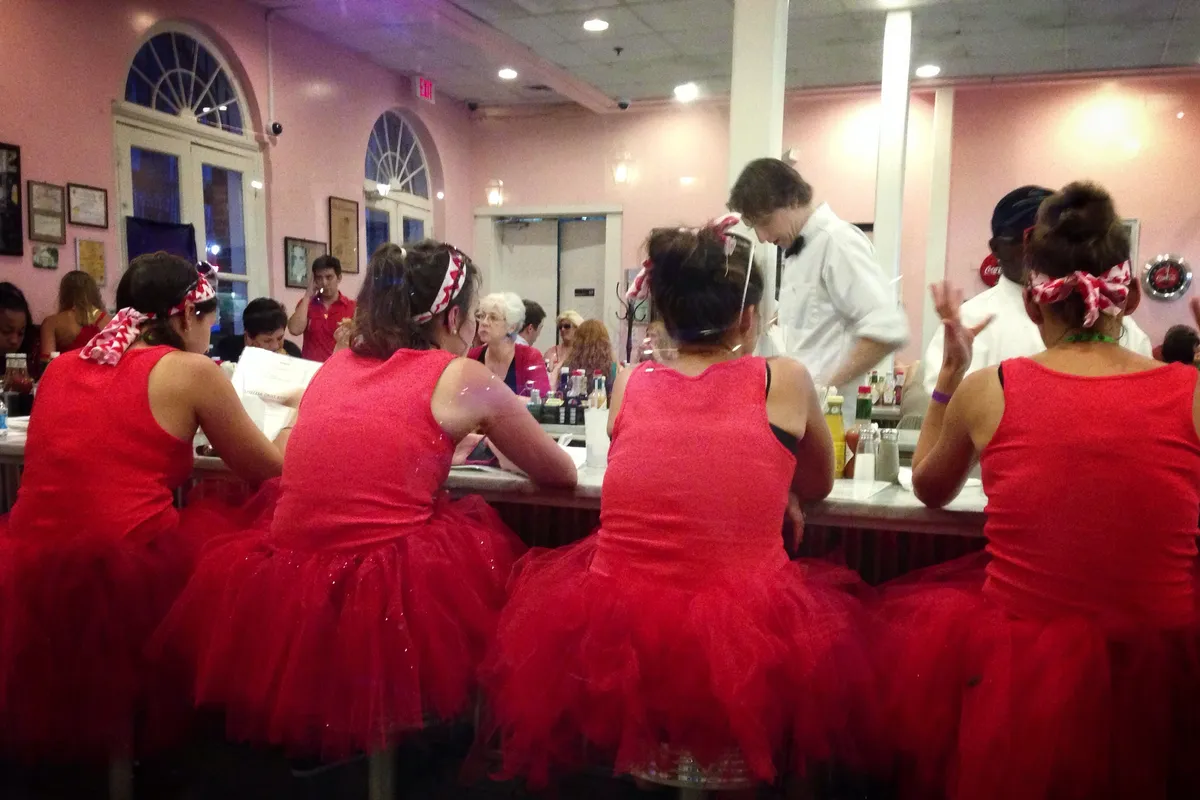
As head of the Department of Neurology at the University of Zagreb School of Medicine, Zdravka is an important cog in the public health initiative Red Dress Day. The idea for the campaign dedicated to stroke prevention in women was brought by neurologist Professor Arijana Lovrenčić Huzjan, MD, PhD, and she came to Zdravka with it almost nine years ago. The campaign brought together healthcare workers, students, retirees, athletes, and women who had survived a stroke. "According to available data, in the last three years, the mortality rate from stroke among women in Croatia has significantly decreased. Of course, we don't think it's solely the result of our action, but we believe it is an important drop in the ocean that can contribute to improving Croatian statistics on stroke prevention and care in women," she emphasizes.
The Secret to Happiness: 'Health Comes from the Head'
When asked about the secret to happiness, Zdravka replies that there is no single recipe for everyone. "This is a difficult question. Because people are very different, and there is no single recipe for everyone. However, I think we need to accept that health comes 'from the head,' that is, from satisfaction with oneself and one's life," she explains. She adds that cognitive abilities are exercised through learning and acquiring knowledge, and the brain is an incredible organ. "If you tell yourself several times a day, 'I am happy,' your neural pathways will 'carve' that statement, and you will feel a happiness that nothing can cloud," she says. Of course, she admits that there are tragic life circumstances, but if we do good and believe in good, those moments will also be easier to survive.