Unprecedented Drought Drains Europe: Danube Reveals Shipwrecks
Record-low river levels threaten nuclear power plant shutdowns and expose long-submerged secrets. Croatia introduces water-saving measures, while farmers report catastrophic losses.
Record-low river levels threaten nuclear power plant shutdowns and expose long-submerged secrets. Croatia introduces water-saving measures, while farmers report catastrophic losses.
Europe is facing an unprecedented heatwave and drought, with devastating consequences felt across the continent. Record-low river levels, particularly of the Danube and Drava, have led to reduced output at nuclear power plants, massive agricultural damage, and the uncovering of historical shipwrecks that had lain hidden beneath the water for decades. "I feel like it's not just the water that's disappearing, but the entire ecosystem with it. Honestly, it makes me want to cry, because this is not good," one woman told RTL.
Europe's second-longest river, the Danube, has shown a completely new face. Due to unprecedentedly low water levels, rusty shipwrecks of German warships sunk during World War II have emerged from the water. Incredible sights have been recorded along the entire course of the river, from Hungary through Serbia to Croatia.
Residents of Bulgaria traveled even further back in time. There, the drought has revealed the impressive remains of Constantine's Bridge, a Roman-era structure 2.5 kilometers long and over 1,700 years old. "We are standing right above the foundations that supported the wooden structure of the bridge," said Volodya Popov, director of the Regional Museum in Pleven, standing where the archaeological remains have emerged from the water.
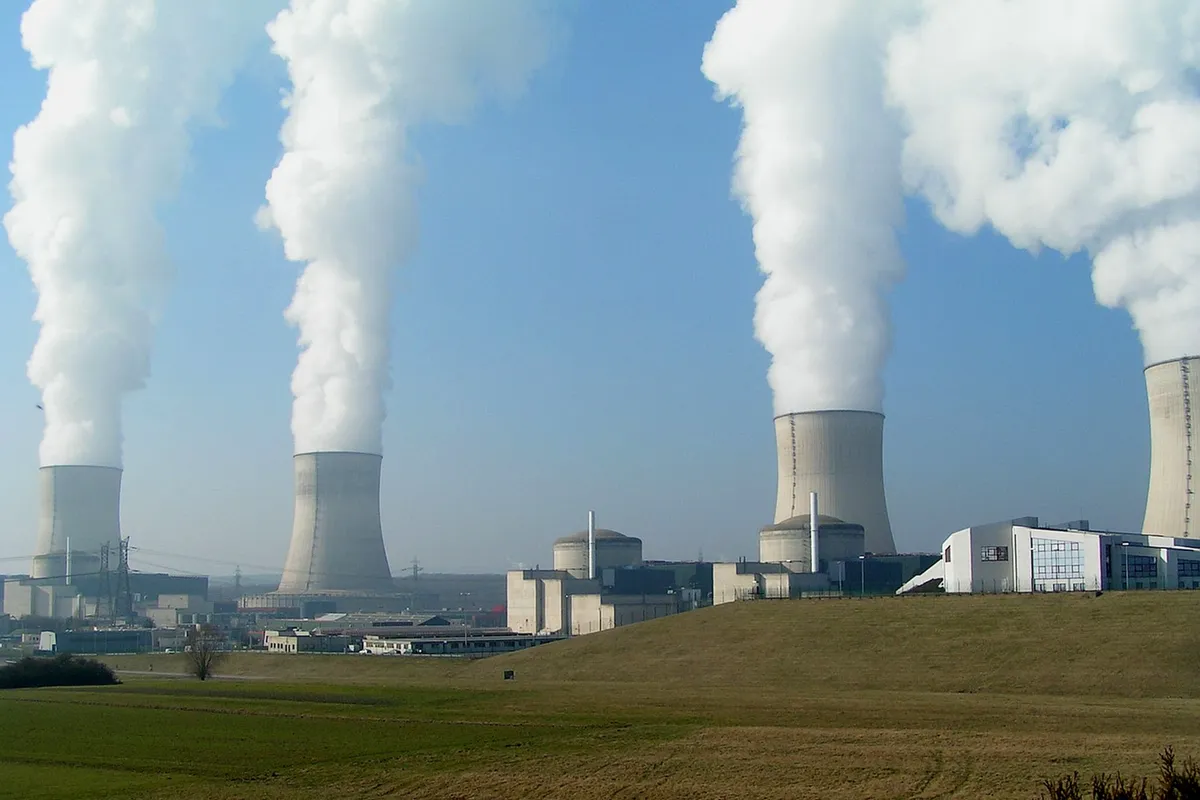
The unprecedented heat and drought are also directly threatening Europe's energy stability. The Paks nuclear power plant in Hungary, which normally produces about half of the country's electricity, has found itself on the verge of a complete shutdown because the Danube can no longer provide enough cooling water. In Budapest, authorities have turned off outdoor lighting on buildings and fountains and called on citizens to save more.
Hungarian Prime Minister Peter Magyar addressed the nation in dramatic tones: "Dear fellow citizens, the past few days have been marked by a series of unprecedented events. We have never before experienced such extreme heat, such a serious water shortage, nor has the Danube's water level ever been this low. However, we have also never witnessed such a display of national solidarity."
A similar drama is unfolding in Romania, where controlled explosions have been used to break up rocks in the Danube's riverbed to redirect the flow and save the water supply for the Cernavodă nuclear power plant. Romanian Prime Minister Ilie Bolojan has declared a national state of alert for the entire month of August. "I have declared a state of alert at the national level for the entire month of August as a result of the drop in electricity production due to the drought and low water levels in rivers, especially the Danube," he stated.
The consequences are being felt strongly in Croatia as well. The Krško nuclear power plant has reduced its output to 80 percent capacity for the first time in over 20 years. The reason is the extremely high temperatures of the Sava River, which prevent normal cooling of the reactor and electricity production. Despite this, Economy Minister Ante Šušnjar is reassuring the public and ruling out any possibility of electricity price increases. "There can be no price increase; we are taking care of supply security, and supply in the Republic of Croatia is secure. We have stable production and exchange. So the system is safe," he said.
In the east of the country, the Drava River has fallen to levels that even the oldest residents cannot remember. "In my 55 years, I have never seen the Drava this low. My God, where have all the fish gone?" commented Željko Popić from Osijek with concern. The situation is also catastrophic for agricultural land. The once-fertile fields of Baranja now bear witness to the harsh reality of extreme drought. "There's hardly any grain; it didn't even fill out properly, there was no rain when it was needed most," lamented farmer Matej Omazić.
To prevent an even greater crisis, numerous Croatian cities and municipalities have introduced drinking water saving measures. Warnings and appeals have come from Istria, through Daruvar and Zadar, all the way to the island of Krk. Daniel Strčić, independent mayor of the Municipality of Punat, explained the concrete steps they have taken: "We must be careful and cautious, so we have called on people to take certain saving measures, to be careful with water. These are not any significant saving measures, but just not to waste water unnecessarily. For example, we have reduced water usage in our beautiful parks by 30 percent."
The problem extends far beyond Croatia. Water use restrictions are in place in numerous neighboring countries, home to about 20 million people, and similar problems are being reported in Poland, the United Kingdom, Germany, France, and Romania. "This is a sad and frightening situation and a very serious warning," summed up the feelings of many, Krisztina Nemeth from Budapest. According to the World Meteorological Organization, Europe is officially the continent with the fastest-rising temperatures on the planet, and satellite images clearly show the extent of the devastation the drought has left on the Danube.