Croatia Introduces Contactless Toll Collection: €160.5 Million, 208 Portals, and Toll Booths Become History
From March 1, 2027, drivers pass without stopping, with two payment methods and 140 fast lanes
From March 1, 2027, drivers pass without stopping, with two payment methods and 140 fast lanes
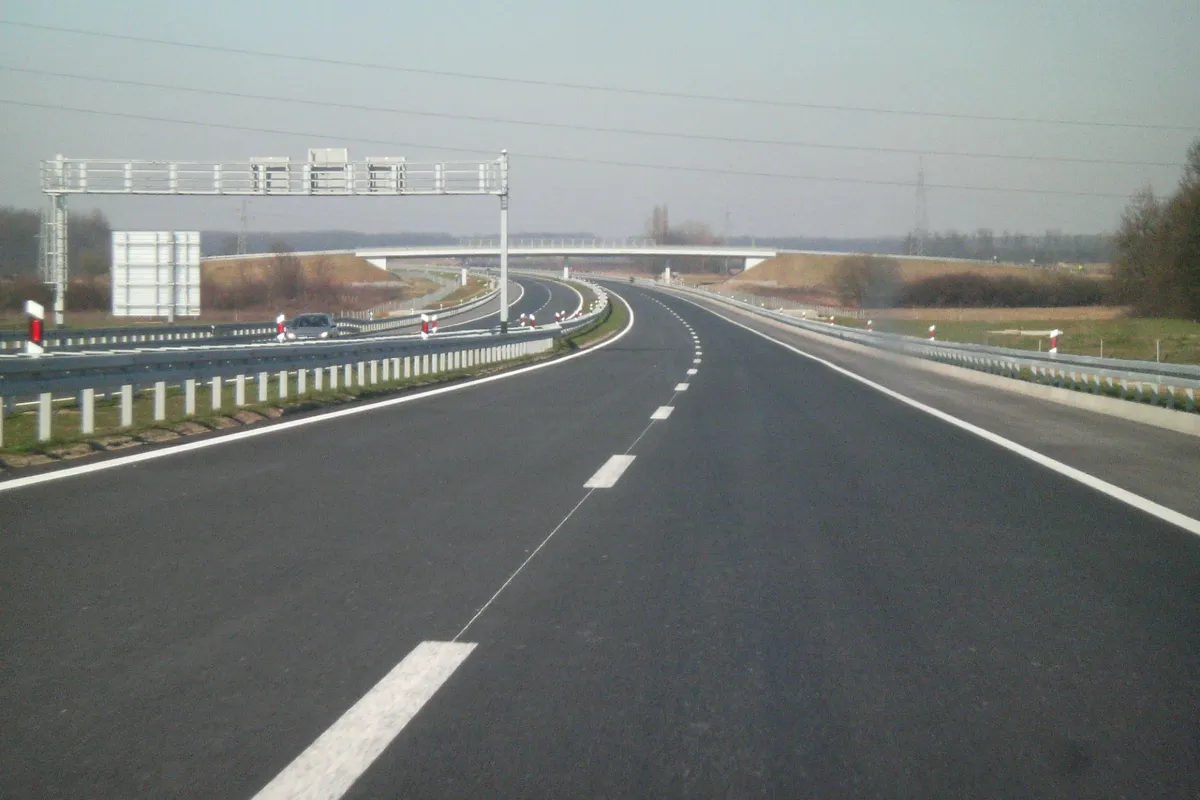
The government presented the new electronic toll collection system at its session on July 31, 2026, which will completely replace all existing toll booths on motorways operated by Hrvatske autoceste, Autocesta Zagreb, Macelj, and BINA Istra starting March 1, 2027. The project is worth €160.5 million, with the largest portion of €115.6 million to be secured from non-repayable European Union funds through the National Recovery and Resilience Plan.
The remaining €44.9 million is financed by Hrvatske autoceste as the project lead. Of that, €29.3 million covers VAT, while €15.6 million covers operational costs, maintenance, and other items not eligible under the NRRP. The government also gave consent to the Ministry of the Sea, Transport and Infrastructure to take on obligations in the state budget for 2027, amounting to €74.6 million.
Toll booths will be removed gradually, and 208 toll portals and 140 fast vehicle registration lanes will be installed on motorways. The portals automatically read license plates at speeds exceeding 200 km/h. According to NacionalnoPlus, drivers of passenger cars will be able to choose between a prepaid model with vehicle registration linked to a bank card or using an ENC device. For heavy goods vehicles, ENC is mandatory.
Toll enforcement will be carried out by mobile units, more than 70 specially equipped vehicles that, in direct contact with control centers, will check whether the toll has been paid.
This is one of the largest transport projects in the last decade. According to government announcements, the system should reduce stops, speed up vehicle flow, and eliminate kilometer-long queues, especially during the tourist season. The ministry issued a call for non-repayable funds on June 17; after reviewing the project application, a final funding decision will be made, followed by the signing of a contract with Hrvatske autoceste.
As sources from Narodno.hr point out, the real result will only be visible if the system truly eliminates congestion, does not generate additional costs for drivers, and is fully operational before the start of the main tourist season in 2027.