New EU Packaging Rules Take Effect Tomorrow
The first measure bans food packaging containing PFAS above permitted levels. Croatian restaurateurs and hoteliers are already adapting, with the biggest changes expected by 2030.
The first measure bans food packaging containing PFAS above permitted levels. Croatian restaurateurs and hoteliers are already adapting, with the biggest changes expected by 2030.
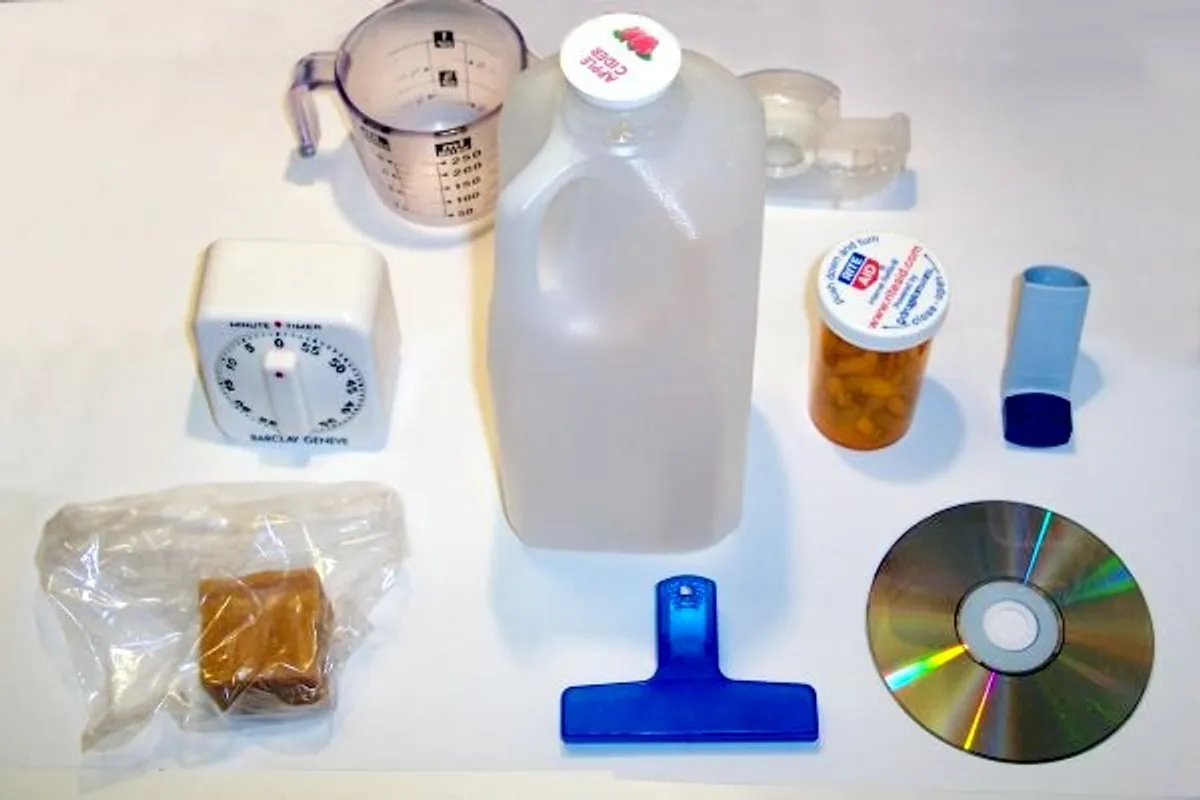
As of August 12, 2026, the European Union will implement the first in a series of measures that will fundamentally change how packaging is produced, used, and disposed of. The goal is to reduce packaging waste, which currently stands at 177.8 kilograms per EU citizen annually, by at least 15 percent by 2040.
The new rules apply to all those who place packaging on the market, and the first ban targets so-called "forever chemicals." From tomorrow, food packaging must no longer contain PFAS, a group of chemicals used for their resistance to water and grease, which are linked to a range of health risks, above the prescribed limits.
In addition to PFAS, the new regulation also restricts the use of bisphenol A, while a transitional period until July 2028 applies to certain protective coatings in cans of fruit, vegetables, and fish. Gordana Pehnec Pavlović, an independent advisor in the Industry Sector of the Croatian Chamber of Economy, explained to HRT that the rules also apply to the concentration of substances of concern in packaging.
"This includes cadmium, lead, mercury, and hexavalent chromium, whose total amount must not exceed 100 milligrams per kilogram. The maximum allowable empty space in packaging will also be reduced. It used to happen that packaging had a false bottom," said Pehnec Pavlović.
As early as February 2027, restaurants and cafés will be required to allow customers to pick up food and drinks in their own containers and cups. Pehnec Pavlović explains that responsibility for the hygiene of these containers will lie with the consumer.
"There will no longer be single-use packaging for coffee to go, eat to go, as we popularly call it. Instead, the consumer will bring their own packaging and will be responsible for its hygienic condition, not the one who fills it. A year later, the HORECA system and food retailers will have to establish a deposit return system," she added.
Large hospitality chains will also be required to offer their own reusable packaging from February 2028. Hrvoje Margan, a restaurateur and president of the Caterers and Tourism Workers Guild of the Croatian Chamber of Trades and Crafts, believes that the new hygiene standards will be a greater challenge for suppliers than for the hospitality businesses themselves.
"There are very serious hygiene standards and HACCP, with new regulations coming in September, where we will have to be even more rigorous by law. Those who supply us with our takeaway containers, which we use, will need to get themselves in order. Actually, the problem will be more with them than with us," said Margan.
By 2030, hotels will have to eliminate small plastic packaging for shampoo and soap. Some have already adapted. Srđan Pujo, hotel director in Dubrovnik, reveals that they implemented this change several years ago and that guests have responded well.
"A few years ago, we removed small shampoos, conditioners, gels, and the like. We now have dispensers in the rooms. It has proven to be excellent; guests have no objections. As for plastic, we've also replaced items like room key cards, disposable toothbrushes, and razors-everything is now wooden and recyclable," said Pujo.
From 2029, polystyrene containers for fast food and delivery, as well as stretch plastic wrap for luggage at airports, will be banned. The biggest wave of changes comes in 2030, when single-use plastic packaging for consuming food and drinks within hospitality venues will be prohibited, as will small packets of condiments, sugar, and milk. Lightweight plastic bags will no longer be available at checkout counters, and the new rules will also apply to plastic mesh, bags, and boxes intended for fresh fruit and vegetables. Plastic wrap for bundling cans and bottles will also be banned. At the same time, all packaging on the market must be at least 70 percent recyclable.
The European Union's ultimate goal is to reduce packaging waste by at least 15 percent compared to current levels by 2040.
Alongside European rules, Germany will introduce a special levy starting in 2027. The cost of around 1.4 billion euros, which it pays annually into the EU budget based on non-recycled plastic packaging, will be passed on to producers who place plastic on the market. The proposed fee is 80 cents per kilogram of plastic. Although companies are not formally required to pass this cost directly to consumers, it is expected that part or all of the amount will be included in product prices. If the entire cost were passed on to consumers, based on average usage of about 40 kilograms of plastic per person per year, this would result in an additional annual expense of around 32 euros per individual.