Space Debris on Course for the Moon: Collision with Einstein Crater
The upper stage of a rocket from a January 2025 mission will strike the lunar surface at 8,700 kilometers per hour, with NASA and South Korean orbiters observing the event.
The upper stage of a rocket from a January 2025 mission will strike the lunar surface at 8,700 kilometers per hour, with NASA and South Korean orbiters observing the event.
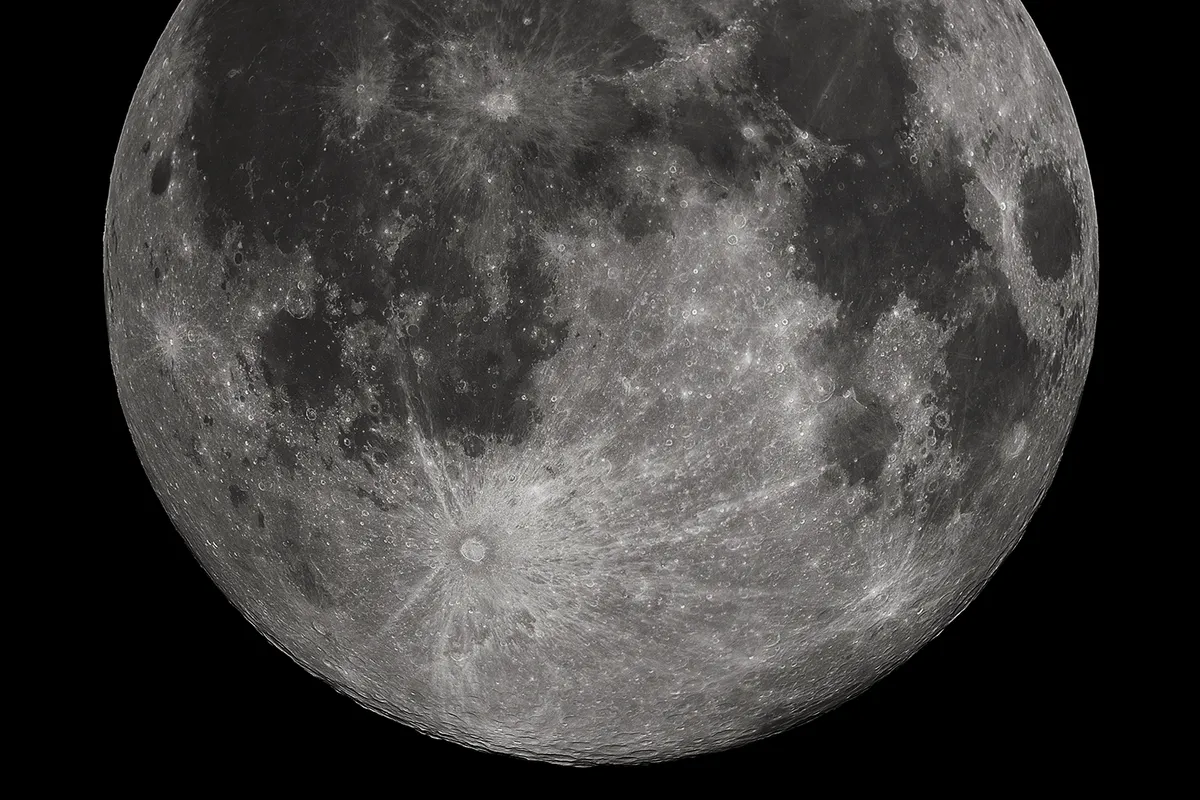
Space agencies and researchers are closely monitoring the trajectory of a discarded SpaceX rocket upper stage that was used in January 2025 to launch two private missions toward the Moon. According to estimates by Bill Gray, an expert in tracking objects in space, the stage will collide with the lunar surface near the Einstein crater, on its illuminated western side, at a speed of approximately 5,400 miles, which is 8,700 kilometers per hour, or nearly seven times the speed of sound, as reported by The Guardian and relayed by DalmacijaDanas.
This rocket stage was used for a mission that launched the Blue Ghost Mission 1 lander by the American company Firefly Aerospace and the Resilience lander by the Japanese company ispace. After expending its fuel and separating from the spacecraft, it remained in space as an empty piece of rocket, and tracking its trajectory has now confirmed that it will end up on the lunar surface.
Researchers estimate that the impact will release energy comparable to the explosion of about three tons of TNT. A crater approximately 27 meters wide and 5 meters deep is expected to form. Although it will be too small to be seen directly from Earth, spacecraft orbiting the Moon should be able to capture it, as reported by Tportal.
The flash generated by the impact will likely last less than a second and may be too faint to be observed from Earth. However, scientists are more interested in the cloud of dust and material that will be ejected, which could rise kilometers above the surface. Due to the Moon's weak gravity and the absence of an atmosphere and wind, particles can reach great heights and distances and remain visible to telescopes for some time.
Benjamin Fernando, a scientist at Los Alamos National Laboratory, highlighted the importance of this event for future exploration. "One of the reasons we are interested in this event is to determine how much of a hazard debris impacts could pose to future astronauts," Fernando said, calling on professional and amateur astronomers to try to capture the event.
The most favorable viewing conditions will be in the eastern parts of the United States and Canada, as well as in much of South America. Observers will still need to use sensitive telescopes, and it is uncertain whether the cloud will be bright enough to be clearly seen.
NASA's Lunar Reconnaissance Orbiter will image the predicted area before and after the impact so that researchers can locate the new crater and compare the surface appearance. The South Korean lunar orbiter Danuri is also expected to monitor the impact site. Data obtained during the impact could be useful for improving models that describe how dust and debris behave after a collision with the Moon, especially since the discarded rocket stage is hollow and may not behave the same upon impact as a solid asteroid or meteoroid.
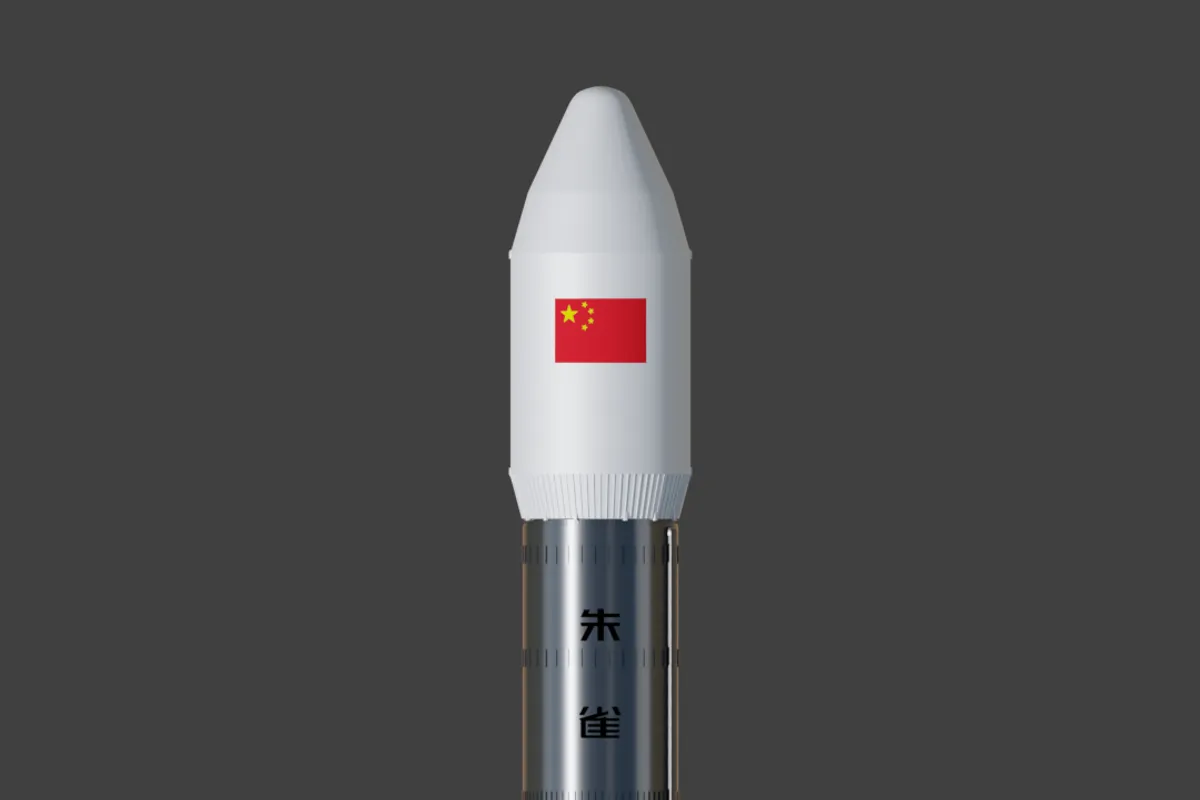
SpaceX did not intend to send the rocket stage toward the Moon. Experts believe the impact could have been prevented by directing the stage into an orbit around the Sun, but such a maneuver was not carried out after launch. This will be the second known case of an unintentional impact of a discarded rocket stage on the Moon; a part of a Chinese rocket fell on its far side in 2022, creating two overlapping craters. The new impact will occur on the side facing Earth.
Although this piece of space debris does not pose an immediate threat to people or existing missions, experts warn that the problem of space debris will grow as the number of spacecraft, rocket stages, and other equipment in space increases. On the same day the news of the upcoming impact was announced, SpaceX launched a Falcon 9 rocket from California with 24 Starlink satellites, confirming the continued intensity of space launches.