Strait of Hormuz: The 21 Miles That Hold World Oil Prices Hostage
After the US and Israel struck Iran on February 28, Iran's retaliation has effectively shut down the crucial waterway through which a fifth of the world's oil trade passes.
After the US and Israel struck Iran on February 28, Iran's retaliation has effectively shut down the crucial waterway through which a fifth of the world's oil trade passes.
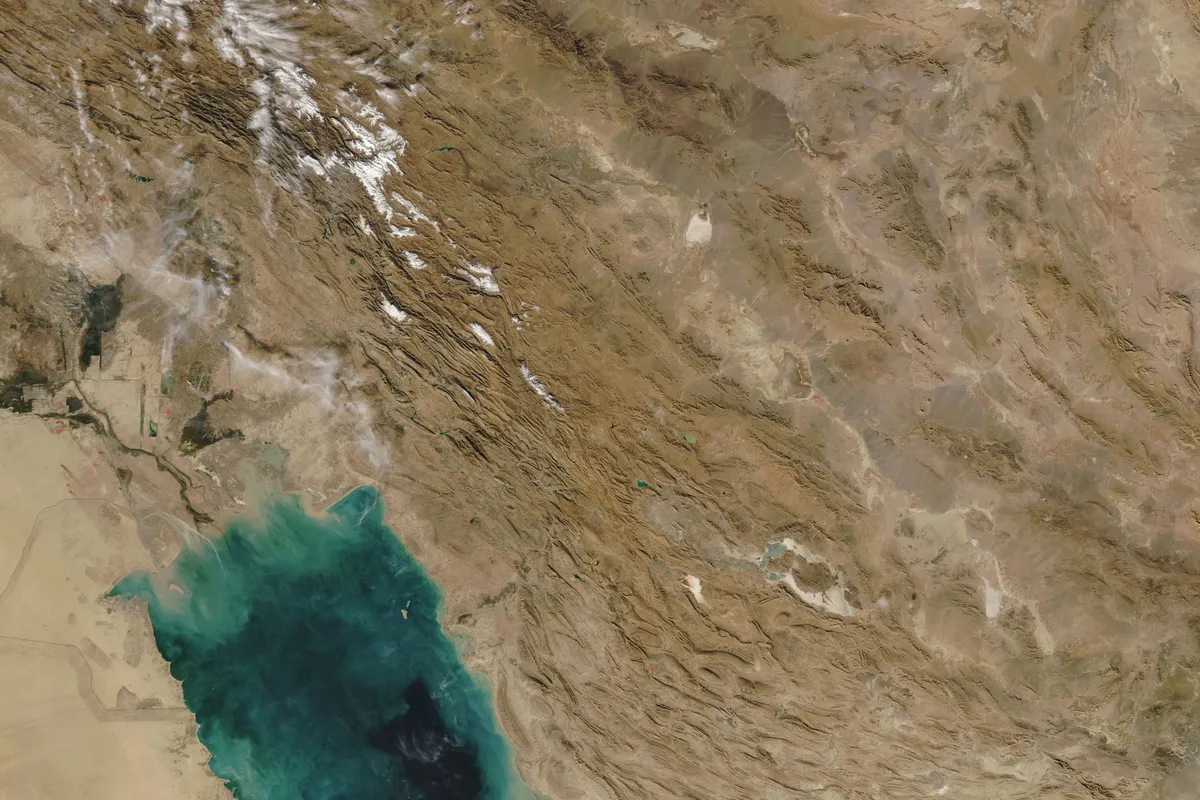
When the United States and Israel attacked Iran on February 28, 2026, Iran's retaliation came in the form of strikes that effectively closed the Strait of Hormuz. Oil prices spiked worldwide, and the immense importance of this narrow passage became crystal clear, reports AP World News.
The Strait of Hormuz is a narrow waterway between the Persian Gulf and the Gulf of Oman. Roughly a fifth of all global oil trade passes through it daily. Saudi Arabia, Iraq, the United Arab Emirates, Kuwait, and Iran are the main exporters whose goods travel this route.
At its narrowest point, the strait is about 21 miles (34 kilometers) wide. Ships navigating it must follow narrow shipping lanes to safely cross the shallow waters, making it an even more pronounced strategic chokepoint.
Ship traffic through the strait has dropped dramatically since the war began. Iran has targeted oil infrastructure in the Persian Gulf, launching drones and missiles at ports and refineries responsible for oil production. Some oil fields have halted production, leaving less oil available for export.
By March 17, 2026, Iran had directly targeted about 20 tankers, but the mere threat was enough to raise insurance costs and deter others from attempting the passage. Iran continues to export its own oil through the strait.
Much of the oil passing through the strait heads to Asia, with China, India, and Japan as the main buyers. However, since oil prices are set internationally, disruptions in the Middle East affect prices everywhere, even in distant countries with their own resources.
A reduction in global supplies means higher prices for everyone. This benefits some oil-producing countries, like Russia, but is bad news for consumers. In the United States, a major oil exporter, the average price of gasoline has exceeded four dollars per gallon, an increase of more than a dollar since the war began. A recent poll showed that 45 percent of Americans are "extremely" or "very" concerned about being able to afford fuel in the coming months.
Some pipelines in the region can bypass the Strait of Hormuz, but their capacity is limited. And even exiting the strait does not guarantee safety: Iran has attacked Saudi Arabia's Yanbu port on the Red Sea coast and the Emirati port of Fujairah, which lies just outside the strait.
Some strategic oil reserves have been released to ease the pressure, but that is only a temporary measure. The full impact of the disruption will depend on how long it lasts.