Eight Hours in Bed Is No Guarantee of Rest
Frequent nighttime awakenings, restless sleep, and breathing disruptions can interrupt natural sleep cycles, even if you don't remember them in the morning.
Frequent nighttime awakenings, restless sleep, and breathing disruptions can interrupt natural sleep cycles, even if you don't remember them in the morning.
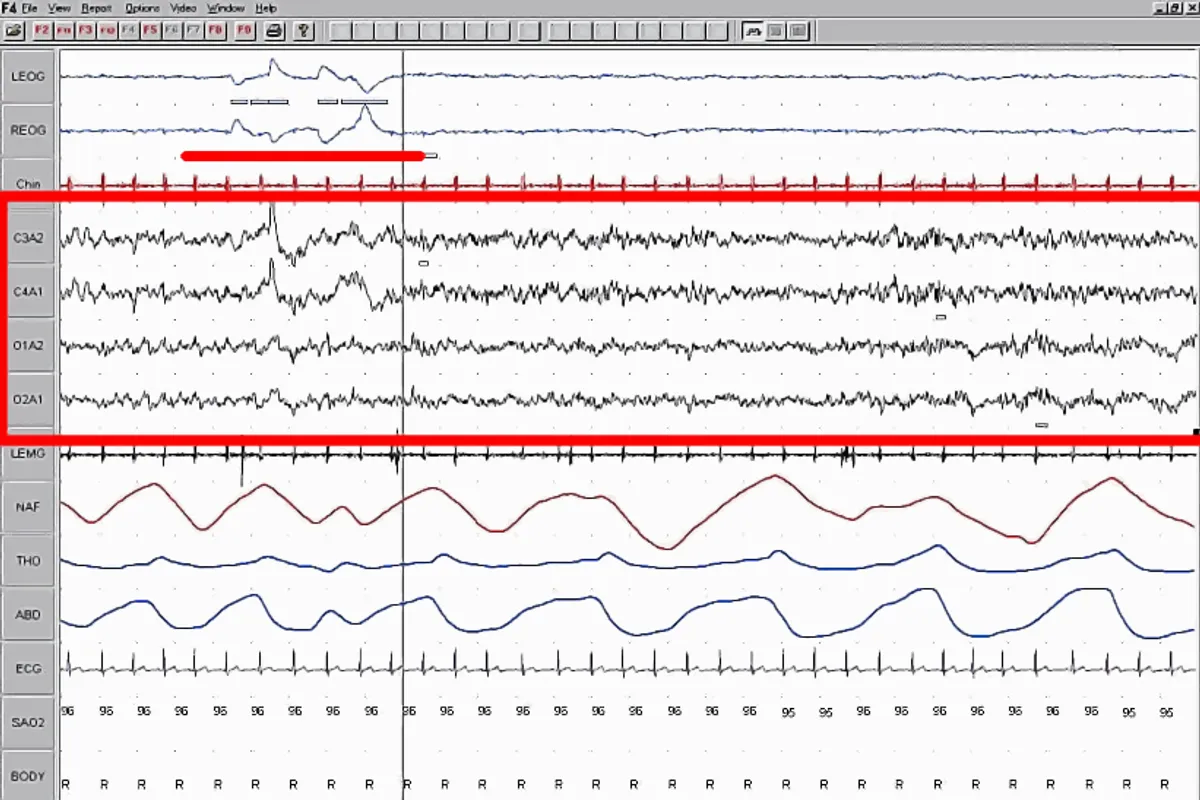
Eight hours in bed does not automatically guarantee eight hours of good sleep. Frequent awakenings, restless sleep, or breathing problems can disrupt the natural stages of sleep, even if you don't remember these disturbances in the morning. As a result, you may feel exhausted despite having seemingly slept enough, according to the Lika Online portal.
Most adults need at least seven hours of quality sleep, but individual needs vary. The continuity of sleep, regularity, and the time of day you sleep are also important. The U.S. National Heart, Lung, and Blood Institute (NHLBI) warns that poor sleep can lead to morning fatigue, daytime sleepiness, and problems with focus and reaction times.
One possible reason is insomnia. Some people may fall asleep easily but wake frequently during the night or sleep very lightly. Irregular schedules, night work, and a significant difference in sleep times between weekdays and weekends can also disrupt your internal biological clock.
Special attention should be paid to loud snoring, pauses in breathing, choking during sleep, morning headaches, and severe daytime sleepiness. These symptoms may indicate sleep apnea. The NHLBI says people often don't notice nighttime breathing interruptions until their partner mentions them.
Sleep quality can be affected by alcohol, late heavy meals, caffeine later in the day, nicotine, screen light, and a bedroom that is too warm or noisy. Alcohol may help you fall asleep faster, but it disrupts sleep continuity later in the night.
Fatigue isn't always related solely to sleep. It can result from stress, depression, a recent illness, or taking certain medications. Sometimes it occurs alongside anemia, thyroid problems, diabetes, or other health conditions. The UK's National Health Service (NHS) advises against self-diagnosing prolonged fatigue, especially if other symptoms are present.
Try going to bed and waking up at roughly the same time for a few weeks. The bedroom should be cool, dark, and quiet, and before bedtime, reduce alcohol, heavy meals, caffeine, and screen use. It's helpful to keep notes about your bedtime, nighttime awakenings, medications, caffeine intake, and daytime energy levels.
If fatigue lasts more than a few weeks, worsens, or interferes with daily life, see a doctor. Especially seek help if fatigue is accompanied by unexplained weight loss, shortness of breath, rapid heartbeat, significant mood changes, or pauses in breathing during sleep. If you're so sleepy that you might fall asleep at the wheel, do not drive.