Paprika Nearly Doubles in Price in Five Years
The start of the winter preserves season brings record vegetable prices, with citizens increasingly saying that homemade pickling is no longer worth it.
The start of the winter preserves season brings record vegetable prices, with citizens increasingly saying that homemade pickling is no longer worth it.
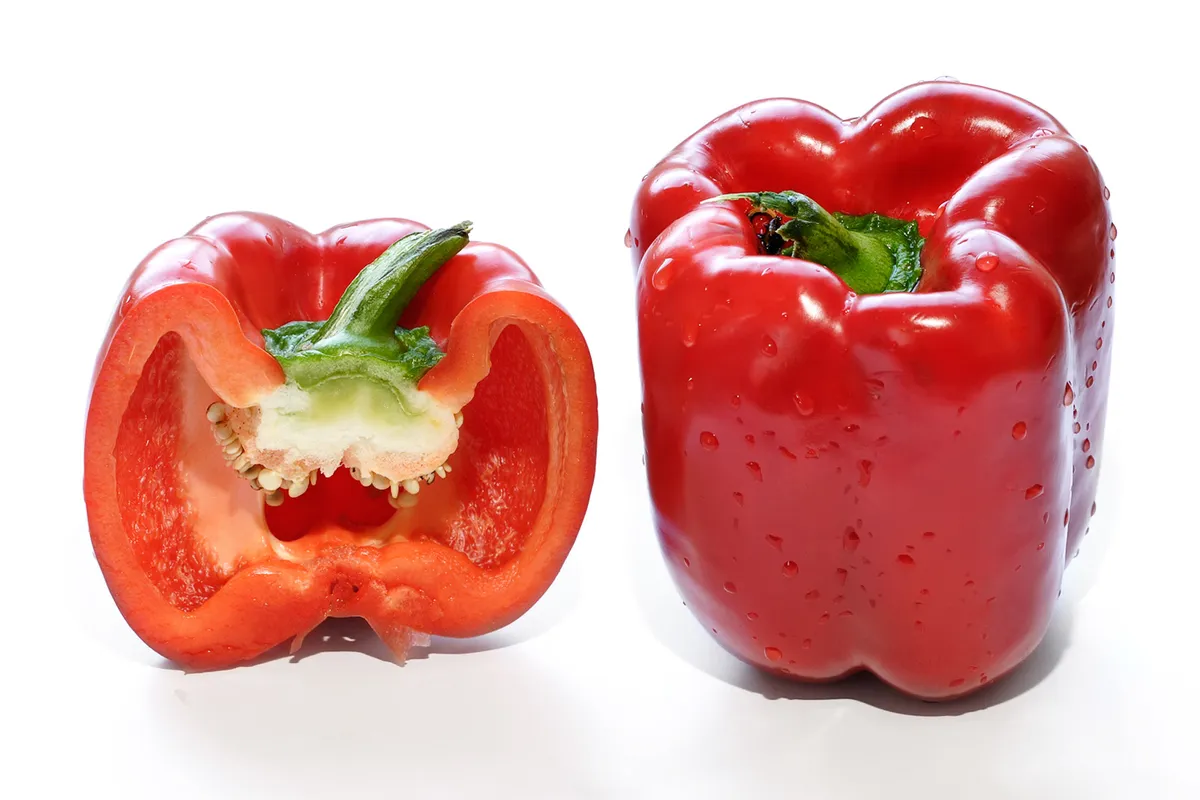
The beginning of August traditionally marks the start of the winter preserves season, but this year Croatian citizens are facing vegetable prices unlike any they've seen before. According to a Nova TV Daily survey, the key pickling ingredient, paprika, has nearly doubled in price over the past five years, sparking strong reactions among consumers.
High summer temperatures have further reduced yields, putting pressure on already high prices at markets and in grocery chains. This is a consequence that is directly felt in household budgets, forcing many to reconsider the cost-effectiveness of a long-standing tradition.
The reactions of citizens leave no room for doubt. While in previous years cellars and pantries were full of jars of pickled peppers, cucumbers, and mixed salads, this season many are abandoning that intention. "Winter preserves are no longer worth it" is the common message that Nova TV Daily recorded among consumers.
The calculation is simple: when the price of a kilogram of basic vegetables reaches double what it was five years ago, and you add the costs of jars, vinegar, spices, and cooking energy, homemade preserves become a luxury, not a saving.
In addition to the long-term rise in market prices, weather conditions have complicated the issue. This year's extreme heat has negatively impacted vegetable yields, further pushing up prices compared to last season. The shortage of supply on the domestic market means that even those willing to pay more cannot always find sufficient quantities of quality vegetables for preparation.
Nova TV Daily checked the situation on the ground, and their research shows that jars will be more expensive this year than ever before, raising the question of whether the average household can even afford this form of food preparation for the winter.