Five Reasons Why We Crave Sweets
Craving sweets isn't always a matter of weak willpower. Behind it may lie hunger, lack of sleep, stress, or simply a learned routine.
Craving sweets isn't always a matter of weak willpower. Behind it may lie hunger, lack of sleep, stress, or simply a learned routine.
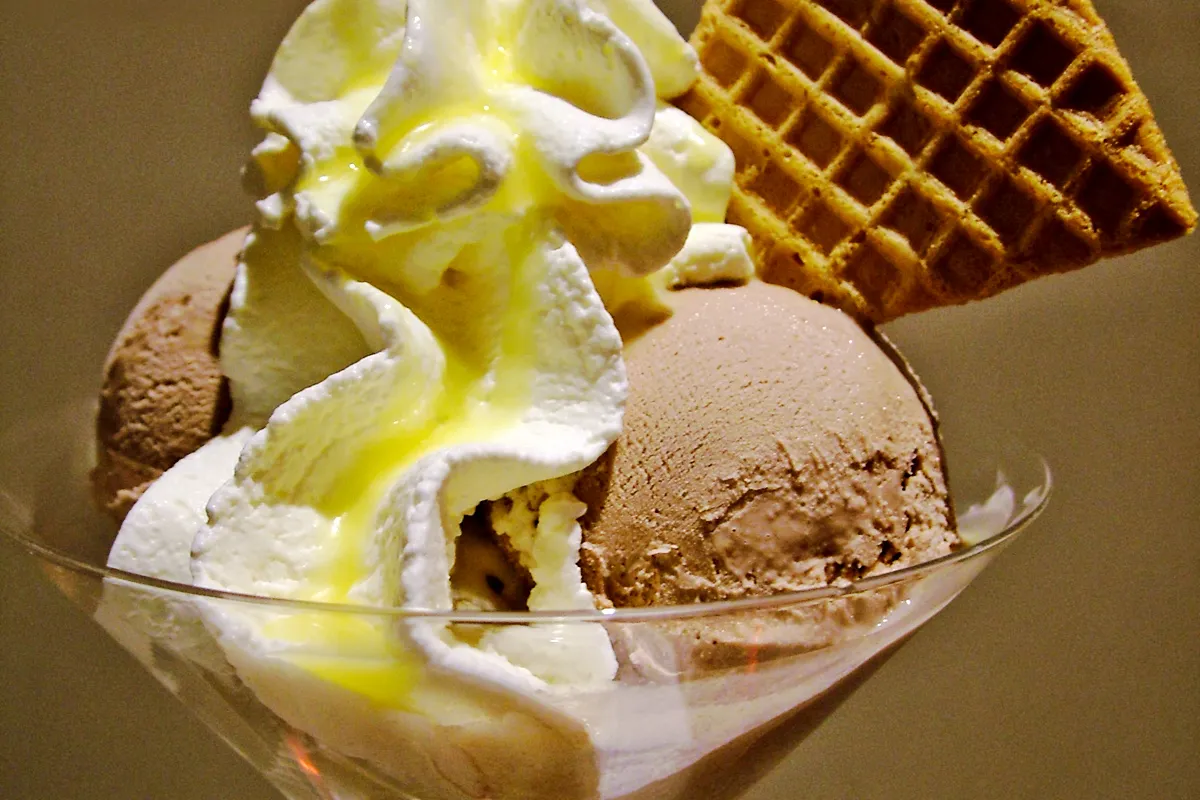
Eating chocolate after a meal, having biscuits during a hectic day, or making a discreet trip to the kitchen late at night doesn't always indicate a lack of self-control. According to 01Portal, the need for something sweet can stem from various factors, including hunger, insufficient sleep, stress, established habits, and specific situations in which it occurs.
Sometimes the craving for sweets is so strong that we feel our body absolutely needs a piece of cake. However, when it comes to nutrition, our body usually doesn't send such specific signals. Cravings for sweets can be caused by hunger, lack of sleep, stress, habits, and also by the fact that sweet food is simply tasty and readily available.
When we are hungry, we can satisfy ourselves with various foods. With cravings, however, we tend to seek a very specific taste, such as chocolate, ice cream, or pastries. These desires are common and arise from a combination of physical needs, emotional state, environment, and learned behavioral patterns.
Seeing a treat, smelling the aroma from a bakery, or the usual time for an afternoon biscuit can trigger an expectation of reward, even when the body doesn't have a real energy deficit.
You haven't eaten for too long. If you skip a meal or eat too little during the day, hunger in the evening often becomes significantly stronger. Controlled studies on eating habits show that reducing the number of meals in some people increases hunger and reduces the feeling of fullness. In such circumstances, the body isn't necessarily asking for sugar due to a lack of a specific nutrient, but rather seeking a quick and energy-dense food source.
You're not getting enough sleep. After a poor night's sleep, broccoli probably won't be your first choice. Research links sleep deprivation to increased hunger and hormonal changes that affect appetite regulation. In one randomized study, adults who extended their sleep reduced their intake of free sugars.
When you're stressed, you seek quick relief. Sweet and fatty foods can provide short-term pleasure, so the brain may quickly associate them with rest, reward, or comfort. According to research, increased daily anxiety and higher stress levels correlate with a more intense need for sweets or highly palatable foods. However, stress responses are not the same for everyone.
You've declared sweets a forbidden food. The more we consider a certain food forbidden, the more we think about it. Short-term and selective avoidance of certain foods can increase cravings for them, although the long-term effects of different dietary approaches are not straightforward. When we start viewing every piece of chocolate as a "transgression," it often becomes harder to stop at just one.
You've established a behavior pattern linked to reward. If you eat something sweet every evening while watching your favorite series, over time even the show's opening music can trigger a craving for sweets. The reason isn't that your body suddenly runs out of glucose at 9 PM, but rather that the place, time, and taste have become linked in a learned behavioral pattern. Food cravings can be a conditioned response and can be reduced by changing your routine.
First and foremost, it's important to ensure regular and sufficiently satisfying meals. A mix of protein, fiber, and fats usually provides a longer-lasting feeling of fullness compared to a quick sweet snack. When you feel the urge for sweets, take a pause and consider four factors: your last meal, sleep quality, current stress level, and the events that preceded the craving.
After just a few days of such observation, a very predictable pattern often emerges. Sweets don't have to be eliminated from your diet. There's a significant difference between deliberately choosing a piece of cake after a meal and unconsciously consuming an entire package of sweets while writing emails.