Psychologist Reveals How to Survive Empty Nest Syndrome
Children leaving home is a natural step, but many parents are caught off guard. Gordana Buljan Flander explains how to find yourself while maintaining closeness.
Children leaving home is a natural step, but many parents are caught off guard. Gordana Buljan Flander explains how to find yourself while maintaining closeness.
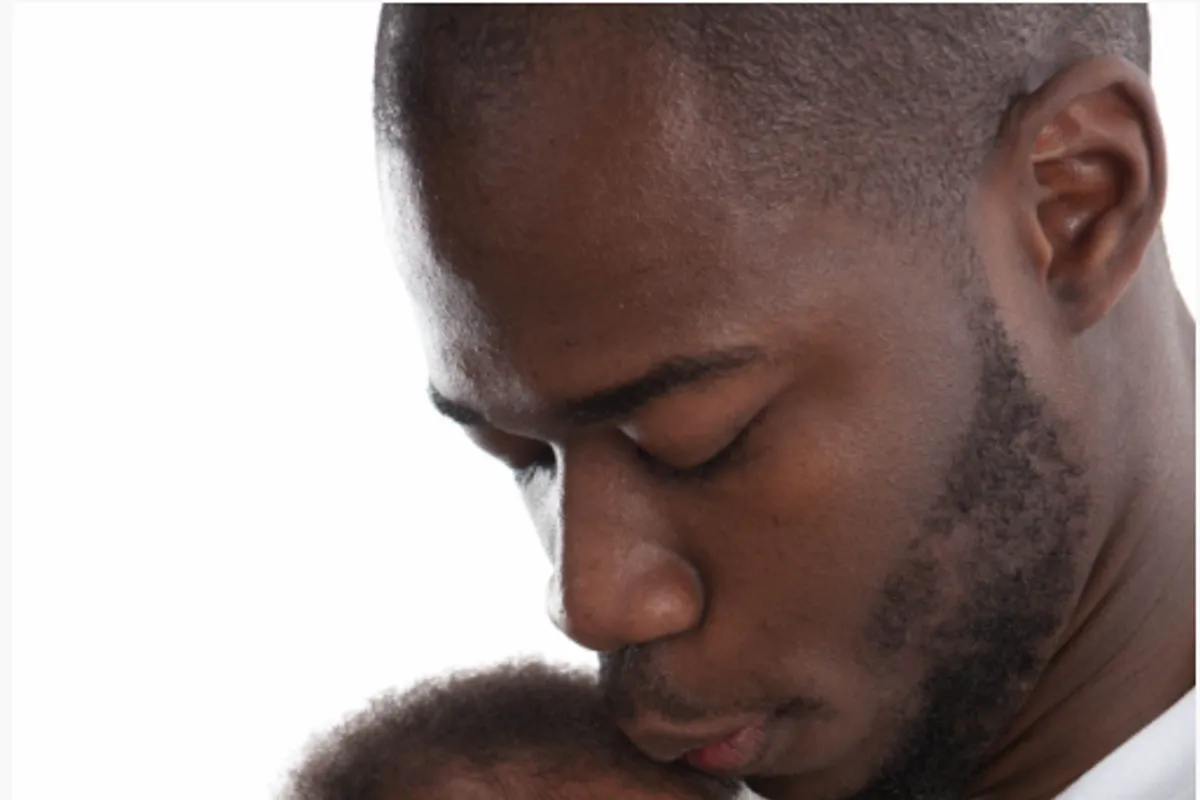
When children leave the family home, it's a normal part of growing up, but many parents unexpectedly feel emptiness, sadness, and a lack of purpose. For years, their lives have been filled with care, duties, and daily routines centered on their children, and when that role suddenly changes, many question their identity outside of parenthood. Psychologist Gordana Buljan Flander warns that this major life transition is rarely discussed, even though it is one of the most significant developmental challenges for parents, as reported by Narod.hr.
Buljan Flander describes the case of a mother who came to therapy feeling empty and unwilling to socialize, uttering a sentence the expert had already heard from other parents: "For years, I thought I couldn't wait for a little peace, and now that I finally have it, I don't know what to do with myself." Her children had gone to study in another city, and the house suddenly became quiet and tidy.
The psychologist points out that experts prepare parents for their child's entry into kindergarten, school, puberty, and graduation, but no one prepares them for the moment when the child grows up and goes their own way. "When it actually happens, many parents are surprised by their own feelings," says Buljan Flander.
In psychology, this condition is called "empty nest syndrome," but Buljan Flander emphasizes that it's not just about an empty house, but a much bigger change. The identity of parents who for years were the ones who organized, reminded, cooked, washed, drove, comforted, taught, and solved problems also changes.
When that daily routine disappears, the question arises: who am I now? If someone has based their identity solely on their children, their natural departure can be perceived as losing a part of oneself.
"Some parents try to hold on to their old role," warns the psychologist. They call several times a day, expect quick replies to messages, ask what their adult child ate, where they're going, and who they're spending time with. Usually, behind this is not a desire to control, but sadness, longing, and fear of losing connection.
Beneath this behavior lies a question parents don't voice aloud: "Will they still need me?" Buljan Flander explains that adult children still need their parents, but in a different way-as a secure base they can return to when times are tough.
Some parents have lived so much for their children that they've forgotten their own interests, friendships, hobbies, and sometimes even their partner relationship. When children leave, their natural need for independence can be perceived as rejection or even betrayal, even though it's exactly what parents have been teaching them for years.
"A parent who lives their own life doesn't distance themselves from their children; instead, they give them a very important message..." says Buljan Flander, adding that love doesn't mean giving up on yourself. When parents tell her, "I don't want to bother them," she responds that children are usually not bothered by parental love, but they are burdened by the feeling that they are responsible for their parents' loneliness or happiness.
"The goal of parenting is not for the child to stay with us forever," the psychologist conveys. The purpose is to raise a child who will follow their own path while knowing that home is not a place that limits or restrains them, but a place where they will always be welcomed with love, tenderness, support, and warmth.