Natasha Kaneva, head of global commodities research and strategy at investment bank JPMorgan, warned clients that extended disruptions in key maritime passages could push US gasoline prices to levels that would politically force the Trump administration into negotiations with Iran. Brent crude has already surpassed $100 per barrel, while the national average for regular gasoline in the US has crossed the politically sensitive threshold of $4 per gallon, according to AAA (American Automobile Association) data.
Oil price scenarios according to JPMorgan
Kaneva presented several scenarios in her analysis for clients. In the base case, Brent would average around $94 per barrel if the conflict lasts one month, with each additional month of disruption adding $7 to $8 as global inventories decline. A three-month disruption could push Brent to around $114. In a more favorable scenario, Brent would average $86 in Q3 and $80 in Q4 2026, bringing gasoline prices from just under $4 in August to around $3.30 by year-end.
Kaneva's key note concerns political thresholds: a one-month disruption in maritime passages would push gasoline prices toward $4.20 per gallon, and a two-month disruption above $4.50. According to her analysis, these very levels were the trigger for negotiations in the previous cycle of escalations.
"In the previous round of escalations, negotiations were initiated when US gasoline prices reached $4.20 and became materially more urgent as prices approached $4.50,"
Kaneva stated, as reported by ZeroHedge.
Disruptions in the Strait of Hormuz and Bab el-Mandeb
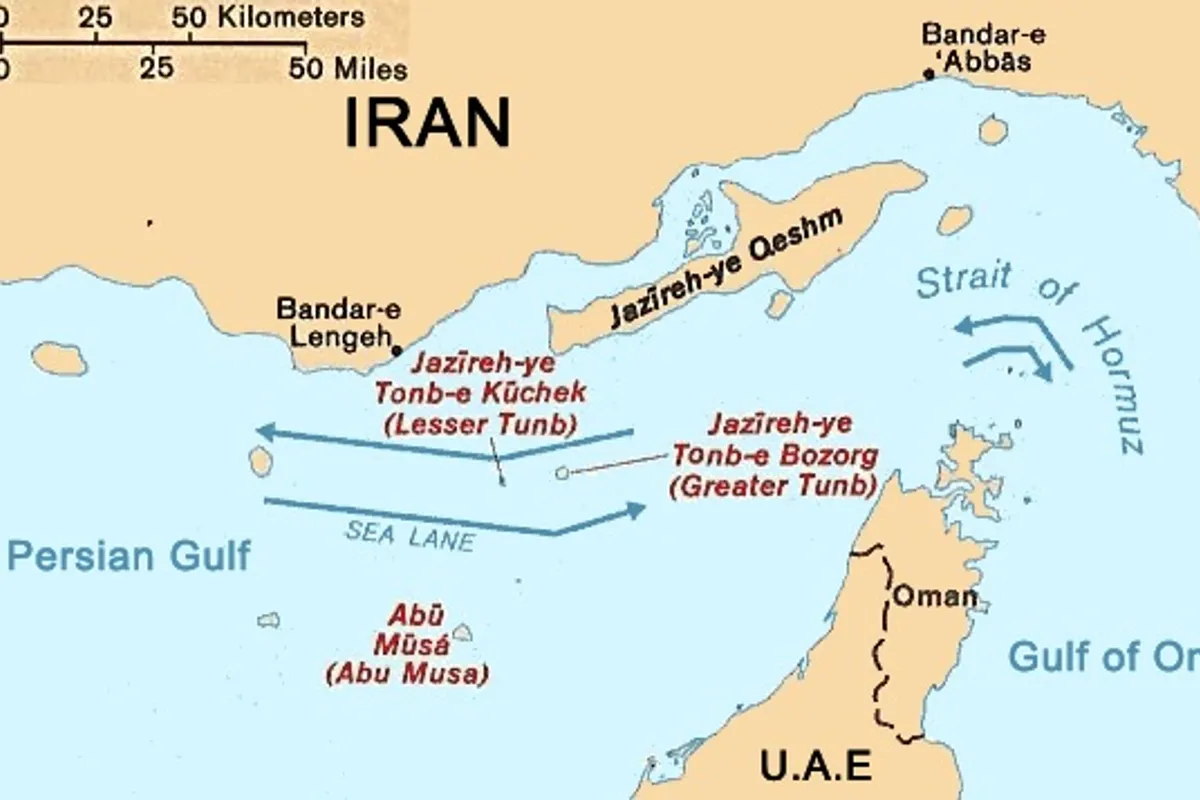
The backdrop for these analyses is the ongoing conflict between the US and Iran, which has led to disruptions in two strategically most important maritime passages for global oil supply. The Strait of Hormuz, through which roughly one-fifth of global oil consumption passes, and Bab el-Mandeb at the southern end of the Red Sea, are disrupted, while turmoil in the Black Sea due to the Russia-Ukraine conflict further strains global commodity markets. Brent crude has surpassed $100 per barrel, while WTI (US benchmark crude) has reached $92.
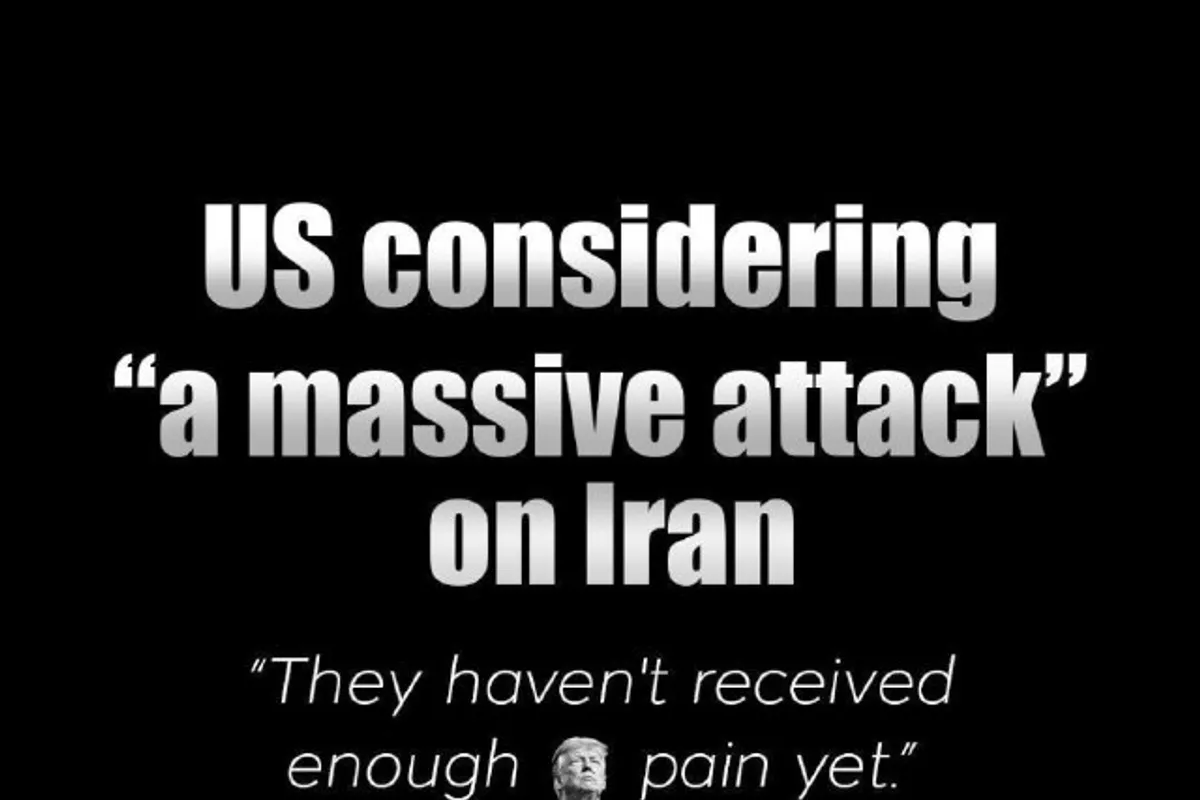
Trump told media outlet Axios that the US is considering the possibility of a large military strike on Iran, but no final decision has been made. Two US officials confirmed that the military has not received new orders, according to TRT World reporting. Trump simultaneously stated that "Iran is doing extremely well" and urged the public not to believe what he called fake news.
Russia and China in play: accusations and denials
Parallel to the energy pressure, there is tension within the Trump administration over the role of Russia and China. Secretary of Defense Pete Hegseth testified to lawmakers that Russia and China, "at different levels," "are enabling what Iran is doing." CNN reported in March 2026, citing unnamed US officials, that Russia is providing Iran with satellite imagery to track US troop movements. Reuters reported that Iranian attacks on CIA facilities in the Persian Gulf have led US intelligence analysts to investigate whether Russia gave Iran targeting information or drone technology.
Trump stated on his platform Truth Social that Chinese President Xi Jinping personally told him during a recent meeting in Beijing that under no circumstances would China sell weapons to Iran, and that he takes Xi at his word. He said similarly about Putin. Secretary of State Marco Rubio, who also serves as National Security Advisor, distanced himself from Hegseth's claims and asked: "Who says they are?" He added that even if it were true, he would not discuss it in the press.
Political pressure on the White House
Kaneva highlighted that gasoline above $4 per gallon represents a threshold at which lower-income consumers in the US begin to reduce consumption, and overall sentiment deteriorates, intensifying political pressure on the president. For Trump, who has made energy affordability a key policy priority, rising fuel prices could be a strong catalyst for a diplomatic solution. Next steps in negotiations or military operations have not been announced from the White House so far.