US Expects Oil Supply Disruptions Through End of 2027
Closure of the Strait of Hormuz to Last Longer Than Expected, with US-Iran Ceasefire Talks Stalled
Closure of the Strait of Hormuz to Last Longer Than Expected, with US-Iran Ceasefire Talks Stalled
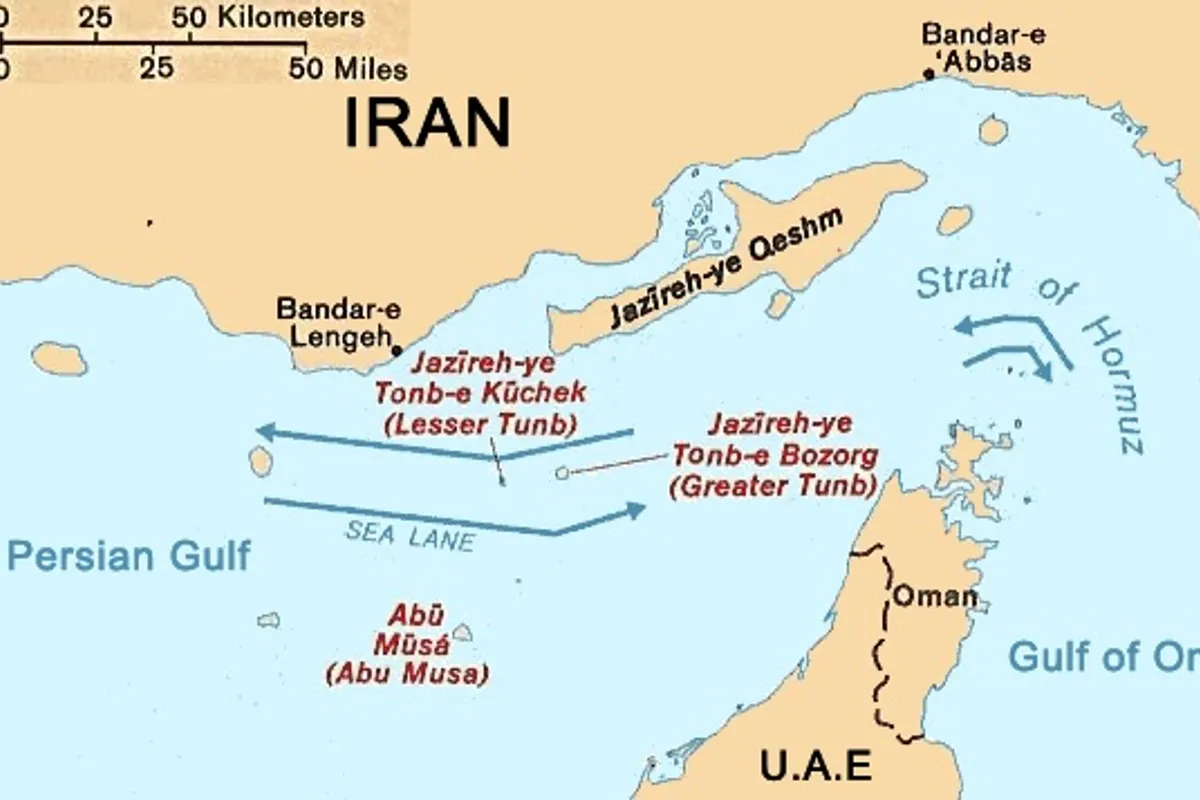
The US government now expects disruptions to global oil supplies caused by the war between the US and Iran to last until the end of 2027. According to data reported by ZeroHedge, this amounts to a reduction of approximately 600,000 barrels per day, a direct consequence of the blockade of the crucial Strait of Hormuz.
In the second quarter of this year, an average of 4.9 million barrels of oil per day passed through the Strait of Hormuz, according to estimates from the US Energy Information Administration (EIA). This is a massive drop compared to the average of 21.6 million barrels per day in the last quarter of 2025, before the US and Israel launched strikes on Iran.
Although a memorandum of understanding was briefly signed, the short pause in fighting did not significantly alleviate one of the worst disruptions in global energy markets in history. Negotiations between Iran and Oman over reopening the strait have yet to yield an agreement, although officials claim talks are progressing.
"The continued closure of the Strait of Hormuz and elevated fuel prices continue to weigh on oil consumption," said the Paris-based International Energy Agency (IEA).
As the conflict enters its sixth month, consumers worldwide are again facing the prospect of higher fuel prices and inflation. The EIA has raised its gasoline and diesel price forecasts for 2026 by 3.7 percent and 5.4 percent, respectively, while increasing its retail gasoline price forecast for 2027 by 6.5 percent compared to estimates from a month ago.
The actual volume of oil passing through the strait remains difficult to measure in real time, as ships turning off their transponders complicate tracking efforts. US Energy Secretary Chris Wright stated that an average of about 9 million barrels per day flowed through the strait over the past week, but independent tanker tracking services report a significantly lower figure.
The agency also estimates that halted production in the Middle East averaged 5.5 million barrels per day in July, down from 7.5 million barrels per day in June. However, the volume of halted oil is expected to rise again to 6.6 million barrels per day in the third quarter.
Several Middle Eastern countries have been forced to cut production as limited access to global markets strains available storage capacity. The report assumes that recent threats to ships carrying Saudi oil through the Bab el-Mandeb strait have not resulted in additional production halts. If this assumption holds, the agency expects that most production and trade flows will need until early 2027 to return to pre-war levels.
Meanwhile, a senior Iranian source confirmed to Reuters that there has been no progress in negotiations to revive the interim agreement reached in June, nor in establishing a timeline for its implementation. The agreement called for an "immediate and permanent cessation of military operations on all fronts," but it quickly fell apart.
US President Donald Trump said on July 7 that the agreement was "over," while Iran's Foreign Ministry announced a week later that it was "suspended." The US accuses Iran of failing to honor the deal to reopen the Strait of Hormuz, while Tehran claims Washington reneged on its commitments, including lifting the blockade of Iranian ports and releasing frozen Iranian assets.
"One of the issues being discussed through intermediaries is the US return to the interim agreement and defining a timeline for implementing commitments. There has been absolutely no progress on this matter," the Iranian source said.
These comments further dampened hopes for a quick resolution to the crisis, especially after attacks on ships in the region on Tuesday led to a rise in oil prices on global markets.