Six Candidates for Guterres' Successor: UN Needs Reform
A public debate with six candidates for the new Secretary-General was held in the UN General Assembly Hall in New York. They all agreed on one thing: the UN is currently marginalized.
A public debate with six candidates for the new Secretary-General was held in the UN General Assembly Hall in New York. They all agreed on one thing: the UN is currently marginalized.
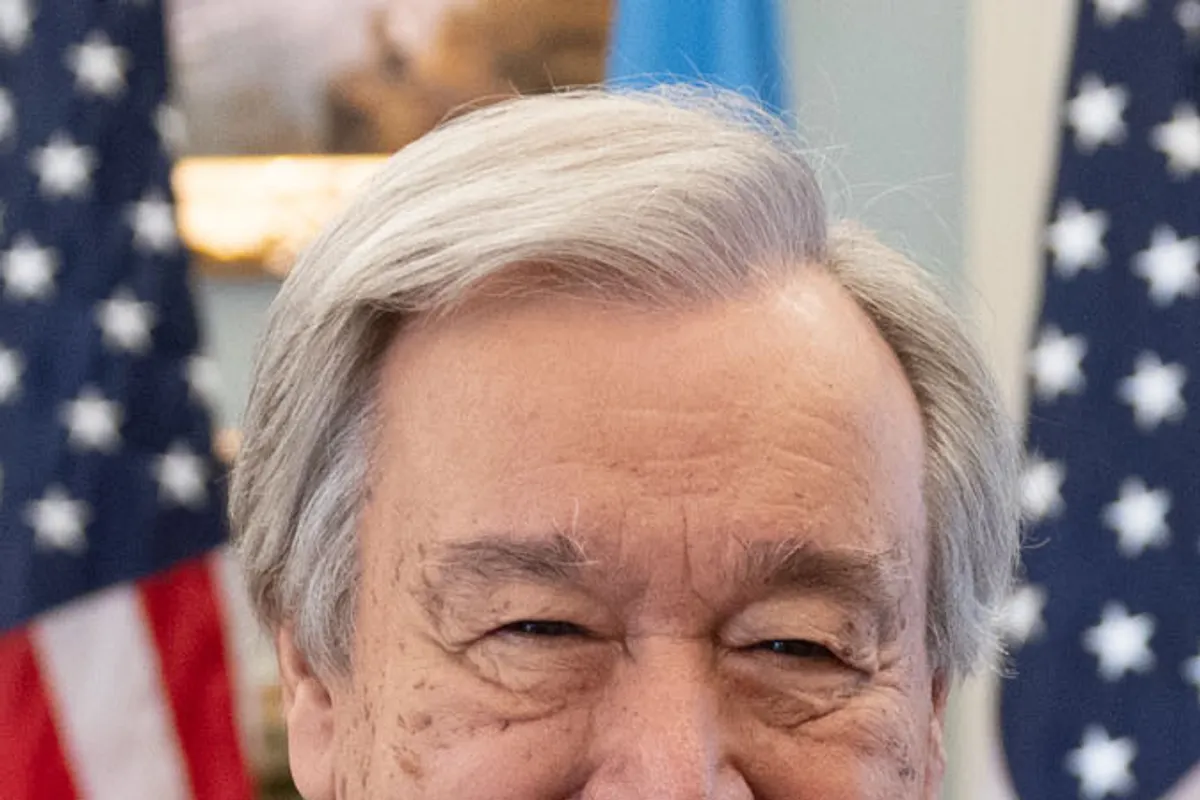
Six candidates vying for the position of United Nations Secretary-General held a public debate on July 23, 2026, in the UN General Assembly Hall in New York. All candidates, without exception, presented a similar diagnosis of the organization's state: the UN currently stands on the sidelines while the world's most critical crises unfold.
One of the most prominent candidates is Rafael Grossi, a 65-year-old Argentine who currently serves as Director General of the International Atomic Energy Agency (IAEA). Grossi openly stated what many have been thinking: "The United Nations is not involved in resolving the most serious conflicts we are experiencing." As proof of his own diplomatic mediation skills, he highlighted the IAEA's work in Ukraine: according to him, the agency has so far mediated six firebreaks to carry out necessary repairs at the Zaporizhzhia Nuclear Power Plant, thus preventing a potential major catastrophe.
Among the female candidates, according to a report by German public television Tagesschau, the best impression was made by Rebeca Grynspan, former Vice President of Costa Rica and current Secretary-General of UNCTAD (United Nations Conference on Trade and Development). Grynspan also boasted of diplomatic successes: four years ago, she achieved the so-called grain deal which, she said, prevented a global food crisis. As a future priority, she mentioned peace through free trade and the fight against tariffs and protectionism. Her vision of the UN was summed up in one sentence: after the first five-year term, no one should ask "Where is the UN?", the organization should "be back at the table."
The most well-known candidate, former President of Chile Michelle Bachelet, according to Tagesschau, did not leave a convincing impression, her answers were deemed bland and overly verbose. Her chances are further diminished by the fact that the Trump administration in Washington reportedly has objections to her advocacy for women's rights. Neither former Ecuadorian Foreign Minister María Fernanda Espinosa nor former President of Senegal Macky Sall particularly impressed those present. Among UN staff who were present in the hall, however, the strongest resonance came from the youngest candidate: 52-year-old Carolyn Rodrigues-Birkett, Guyana's ambassador to the UN.
Regardless of the impressions from the debate, the final decision on the new UN Secretary-General will not depend on public opinion or the sympathies of the organization's staff. According to the rules, the candidate must be supported by the UN Security Council, which consists of 15 member states. At least nine votes are required for election, but crucially, none of the five permanent members with veto power, the US, China, Russia, France, and the United Kingdom, must cast a veto. Tagesschau notes that it is quite possible that the US, China, and Russia will ultimately agree among themselves on who will succeed Guterres, as has happened in the past.
Annalena Baerbock, who currently serves as President of the UN General Assembly, has publicly expressed the wish that the UN finally get its first female head of the organization. However, given that four of the six candidates are women, and that the final word belongs to the Security Council and its veto powers, this goal may not necessarily be achieved. Guterres' term expires at the end of 2026, and the diplomatic jockeying behind the scenes, according to Japanese public broadcaster NHK, will only intensify in the coming weeks.