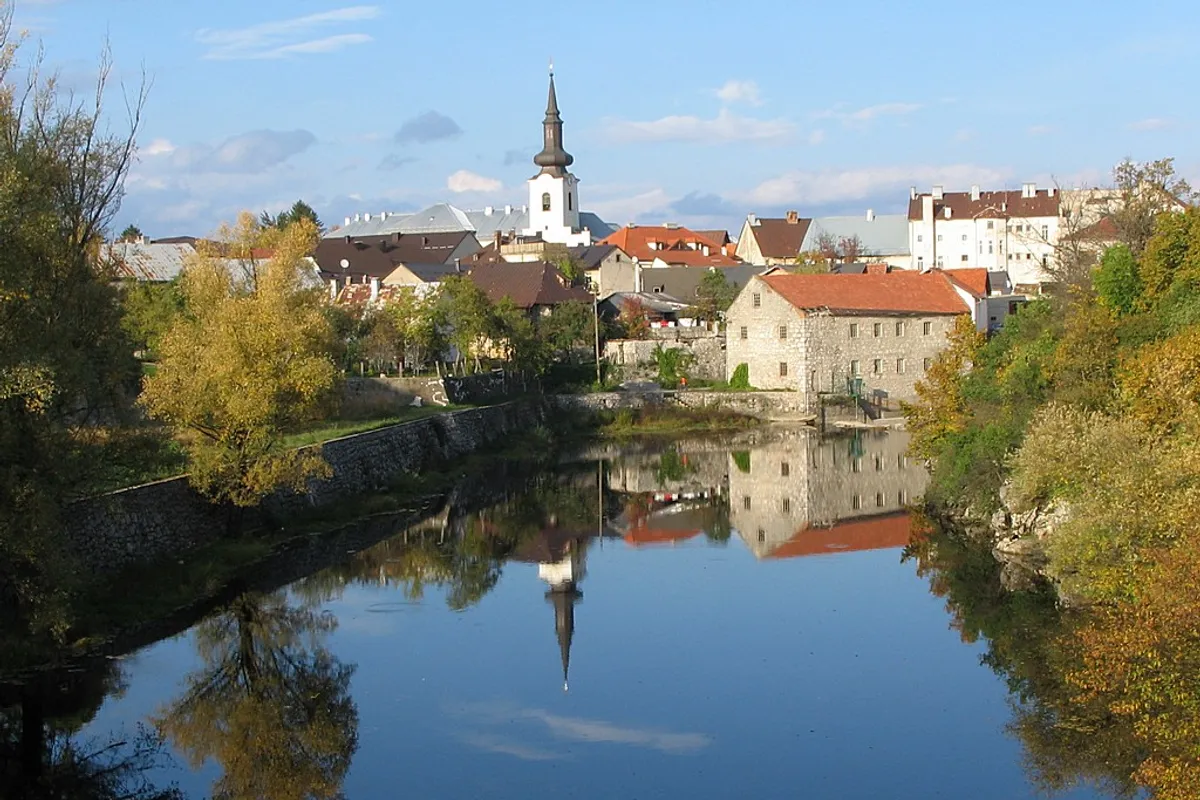
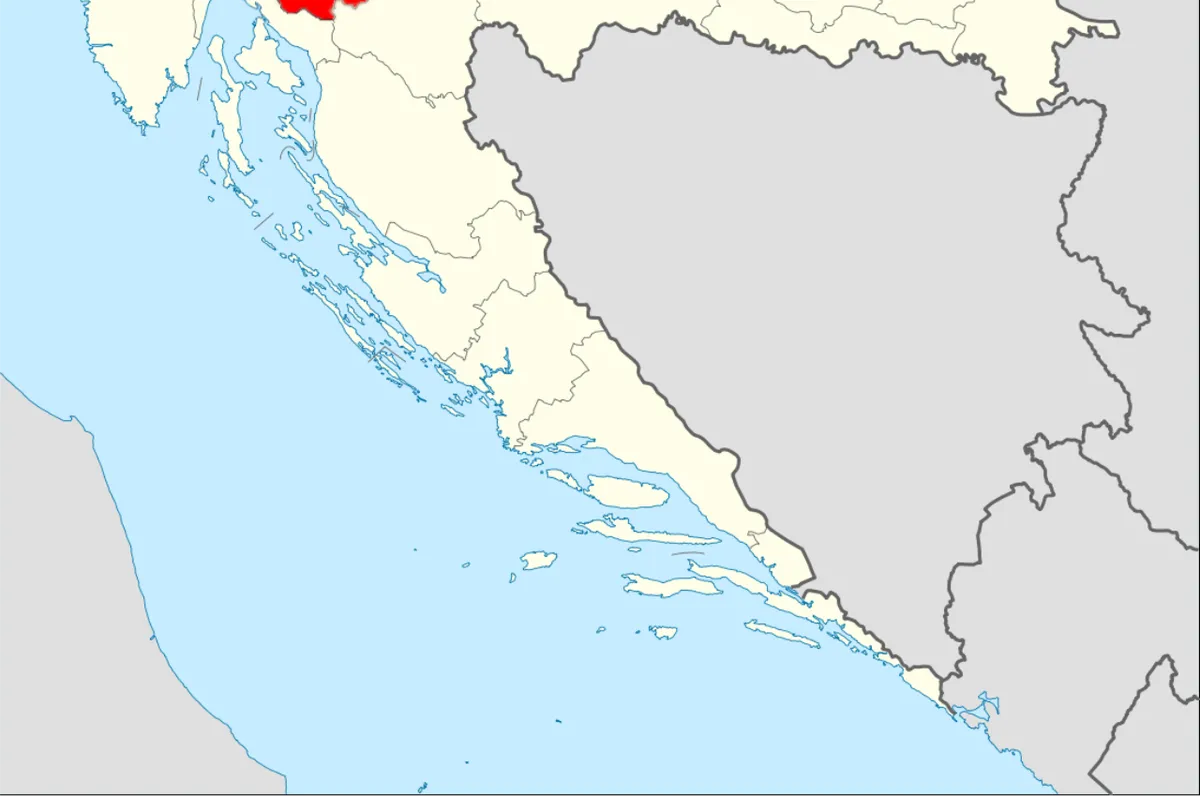
The environmental disaster in Gospić, caused by the illegal dumping of hazardous waste, has sparked anger and deep concern among the local population. As authorities face pressure from the opposition and the public, residents of Lika are already feeling the consequences of the pollution firsthand, which threatens their health and livelihoods.
Daily Life with Bottled Water and Growing Anger
A female resident of Lika, whose identity is known to the Dnevno.hr editorial team, spoke openly about the dire situation on the ground. "The situation in Gospić is bad. Most of us, including me, have been buying water for a long time. Not to mention that our water bills have gone up, and parts of the area around Gospić don't even have tap water," she said.
According to her, anger and distrust toward institutions are growing among citizens. "There are even posts circulating among Gospić residents calling for a boycott of water bill payments. People have had enough," she said. The interviewee also recalled the suspicious circumstances that preceded the discovery of the landfill, noting that workers at the site allegedly avoided contact with locals, and large trucks were not seen passing through the town, suggesting that everything was done during the county lockdowns during the pandemic.
Fear for the Future and Accusations Against the System
The population's biggest concern is the long-term consequences. "What I've been thinking about most these days is, if the waste isn't cleaned up quickly, what will our soil be like for growing plants, and what about the water we'll use for showering and watering our gardens?!" the Lika resident asked. Her frustration is also directed at those responsible, whom she believes knew about the illegal activities. "I believe that all the powerful people in the chain, from the mayor, the county prefect, to the ministry, knew what was happening in Gospić, but they stayed silent because profit is more important to them than morality."
She particularly emphasized the historical burden this region carries: "The war in Gospić was more than enough, and we still feel the consequences today, and now this. This materialism and dirty money will destroy Croats, and unfortunately, Lika has found itself in the crosshairs first..." she concluded for Dnevno.hr.
Political Pressure and Four Cleanup Scenarios
Recall that the investigation by the Office for the Suppression of Corruption and Organized Crime (USKOK) confirmed contamination at the illegal landfill in Gospić, where elevated concentrations of harmful substances, including so-called "forever chemicals" (PFAS compounds), were found in the water downstream. USKOK charges married couple Josip and Monika Šincek and their co-defendants with organizing the illegal disposal of around 35,000 tons of hazardous waste at sites near Varaždin, Gospić, and Benkovac. It is estimated that they earned around €4 million in this way.
The case has united opposition politicians of different worldviews. Marija Selak Raspudić, Sandra Benčić, Zvonimir Troskot, and Darko Milinović have repeatedly called out the government and demanded immediate action. Given that initial estimates suggest the cleanup could cost as much as €120 million, the question of solutions becomes crucial.
From a Temporary Solution to Multi-Million Expenses
Mirko Budiša, deputy director of the Environmental Protection and Energy Efficiency Fund (FZOEU), presented four possible ways to clean up the buried waste on HRT. The first, cheapest, and temporary option is encapsulation, i.e., covering the waste with a waterproof layer to prevent further contamination of groundwater. "That would cost between €2 and €3 million," Budiša said.
The second option involves complete excavation and transport to a hazardous waste landfill abroad, since Croatia does not have its own. "Last week, we sent inquiries to about ten such landfills in the European Union. That would cost between €20 and €25 million," he explained. The third option is excavation and transport to an incinerator, which would cost between €100 and €125 million. As a fourth solution, solidification or stabilization is being considered, a process that would convert the waste from hazardous to non-hazardous using physicochemical methods and dispose of it at a domestic landfill. "That would cost between €10 and €15 million," Budiša added.