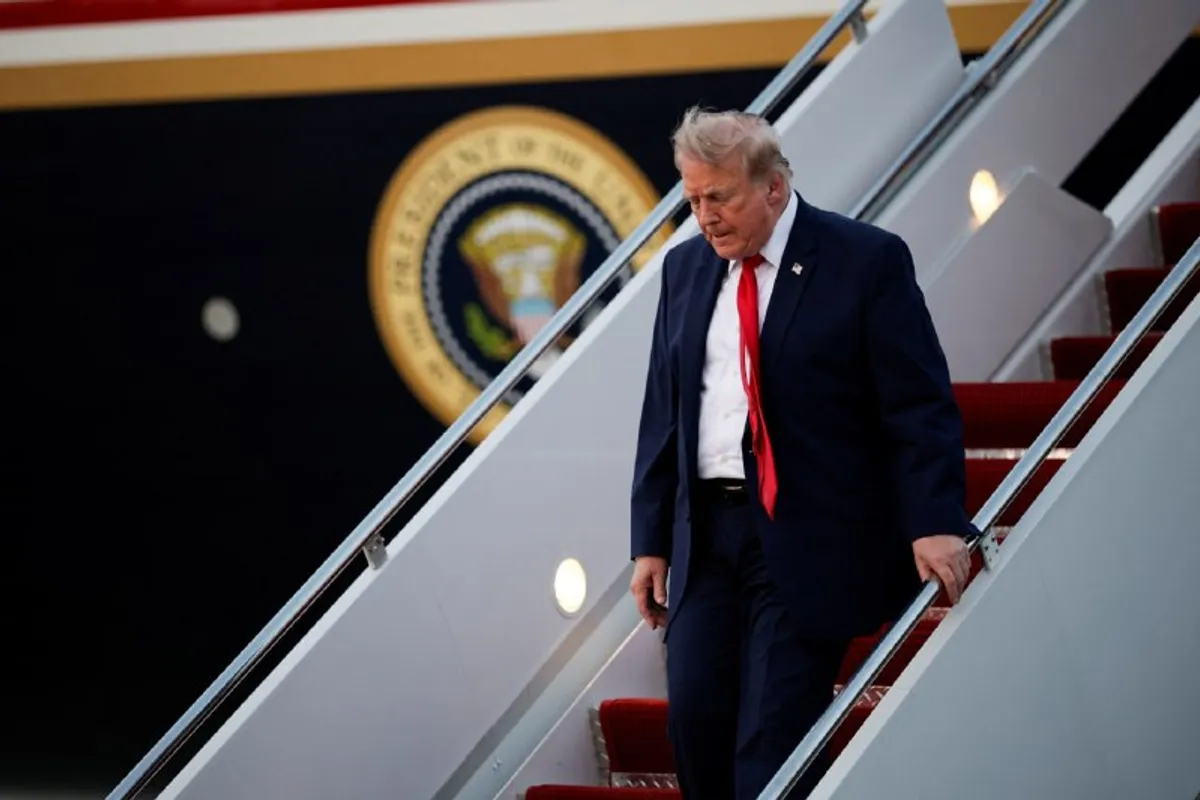
Iran's Revolutionary Guard Corps (IRGC) threatened the United States after the US launched a new wave of attacks on Iran overnight Wednesday into Thursday. "Today you will be punished," the IRGC said, and a banner appeared in Tehran reading "We will kill you" with an image of a bloody American President Donald Trump and an Iranian missile system, Tportal reports citing Sky News.
This is just the latest escalation in a conflict that has lasted six months and for which Trump has no clear exit. According to Clash Report, the president is increasingly frustrated by the lack of a unified strategy among his advisors.
Six months of war, no end in sight
The war began in early 2026, and Trump then claimed it would last four to five weeks. However, the conflict dragged on, and a temporary ceasefire signed in Versailles in June quickly collapsed. After a two-week exchange of attacks, hostilities resumed, and on the night of July 30, the US again struck Iranian targets in response to Iranian attempts to launch missile attacks on American bases.
According to information from Clash Report, there is deep disagreement within the US administration. Defense Secretary Pete Hegseth advocates intensifying military force, while Vice President JD Vance quietly pushes for diplomatic options. Chairman of the Joint Chiefs of Staff Dan Caine warns of the risk of escalation and critical ammunition shortages. "After all this time, there is no unity," said a US official familiar with the internal discussions.
The White House denies any friction, and Press Secretary Karoline Leavitt claims that Trump remains the ultimate decision-maker and has full confidence in his team.
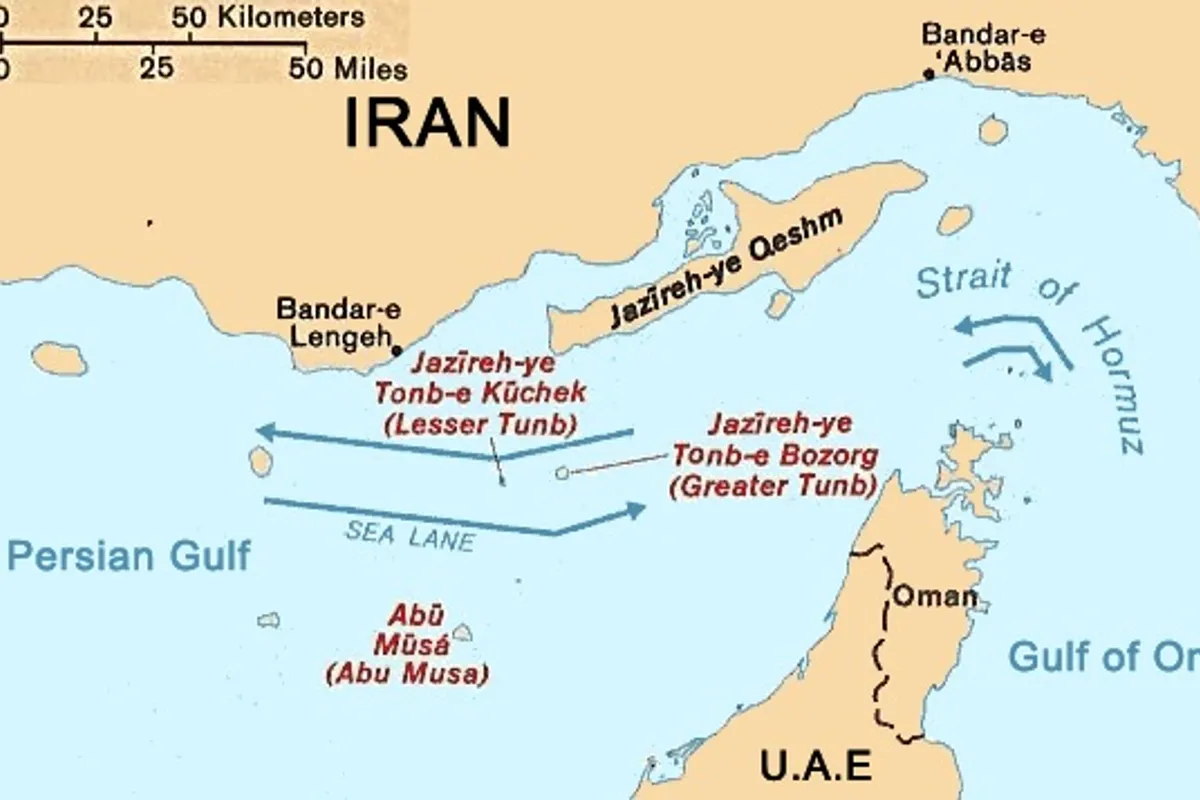
Strait of Hormuz under blockade, oil moves with military escort
Meanwhile, global oil supply is severely disrupted. The Iranian Revolutionary Guard said the Strait of Hormuz will not reopen as long as "exaggerations and threats of US authorities" continue. According to data from analytics firm Kpler, as reported by ZeroHedge, only 14 cargo ships passed through the strait on Wednesday, a slight increase from previous days' single-digit numbers, but far from normal traffic.
US Energy Secretary Chris Wright told Bloomberg Radio that in the past week, about 6.5 million barrels of oil per day passed through the Strait of Hormuz with US military escort. "We are using the United States military to accompany oil and gas from the Strait of Hormuz," Wright said. Despite this, crude oil exports from the Gulf have fallen by more than half for the first time in six weeks, and backlogs are piling up.
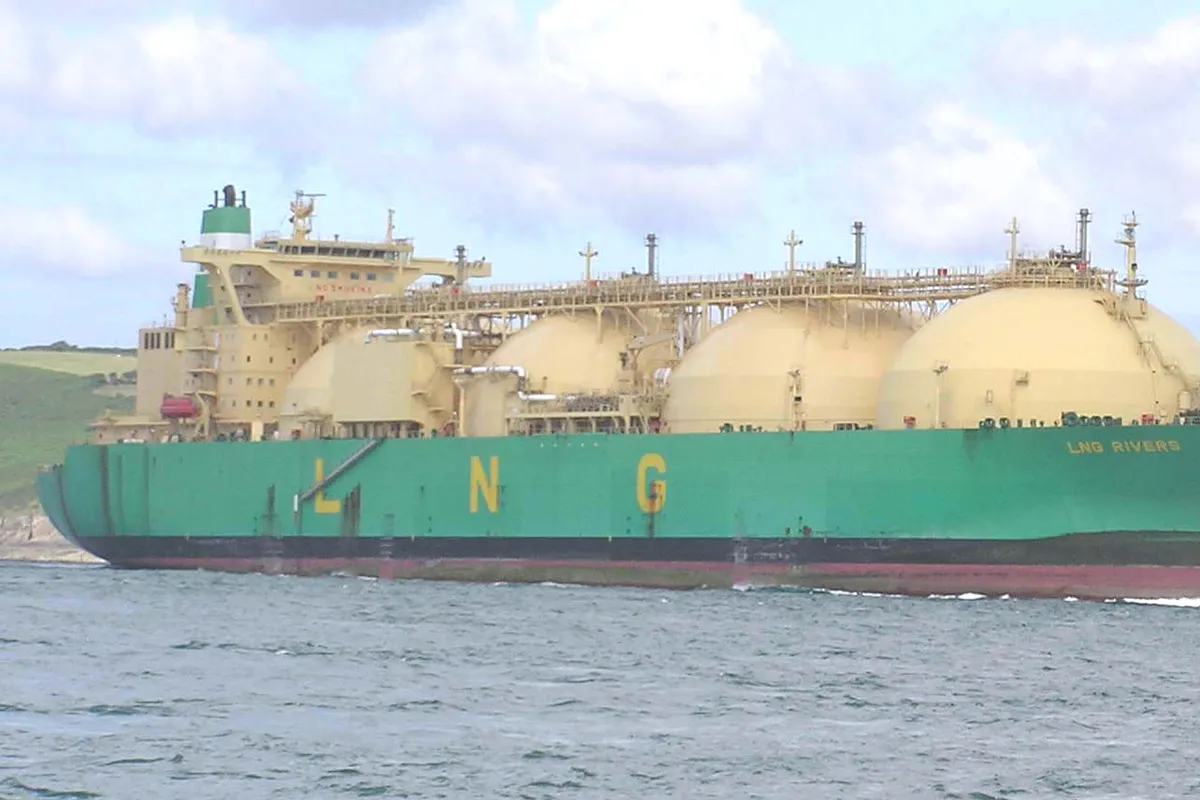
The situation is also alarming in the south: on Wednesday, 21 ships passed through the Bab el-Mandeb Strait, and 38 the day before. Only Russian oil, about 3.5 million barrels, passed through that chokepoint, while some ships sailed with transponders turned off. Additionally, on Wednesday evening, two LNG ships were hit in the Egyptian port of Damietta near the entrance to the Suez Canal, for which no one has yet claimed responsibility.
Supertanker charter rates have skyrocketed, a ship to transport oil from the Persian Gulf to China was temporarily contracted at a rate of nearly $500,000 per day.
Trump loses patience: 'We'll beat them'
The US president is increasingly openly frustrated. "We'll beat them," Trump said in a recent media interview, and White House officials are preparing expanded target lists. A senior military source warns that "tactical victories are piling up, but we are facing a strategic defeat without clear political guidance or a decision on where this leads."
On Wednesday, Israeli Prime Minister Benjamin Netanyahu discussed strategic options with Trump in Washington, from economic blockades to direct strikes, without specifying preferences. Public opposition to the war in the US has reached record levels, and allies in Congress are concerned about economic and political consequences.
Ripple effects to Britain and Europe
The consequences of the war are felt worldwide. The Bank of England decided on Thursday to keep interest rates steady but warned that the conflict could lead to a permanent rise in energy prices and force rate hikes. Governor Andrew Bailey said inflation has fallen faster than expected, but "the conflict in the Middle East continues to mean high and volatile energy prices."
The Monetary Policy Committee was split 6 to 3 on the decision to hold rates, with three members, including Catherine Mann, voting for a 0.25 percentage point increase. Mann cited as key reasons "the collapse of the US-Iran Memorandum of Understanding, the expansion of the conflict in the Middle East, and associated energy price volatility."
In the Bank of England's adverse scenario, inflation could reach 4.5 percent in the second quarter of 2027, while in the central scenario, the peak would be 3.2 percent at the end of this year. The European Central Bank already raised interest rates in June for the first time to ensure price stability.
As Iranian threats reverberate and the US military machine finds no way out, the global economy nervously watches whether the Strait of Hormuz will remain closed and whether oil prices will continue to rise.